Goki Kato
Goki Kato is a Japanese technology entrepreneur and project leader whose work has focused on legal technology, blockchain infrastructure, cross-chain interoperability, and trading systems. He has held CEO roles at Futaba Lab, ANDLAW FZCO, and AndLaw, alongside his work leading projects at Miki. [3]
Education
Goki graduated from Nagoya University with a Bachelor's in Law in 2022. [2]
Career
Goki began his career as CEO of AndLaw株式会社 from October 2021 to October 2023 in Nagoya, Japan. He founded the company with an initial focus on applying AI to Japanese law and developing consumer-facing legal technology applications, including systems designed to automate disclosure request procedures. The company later expanded into blockchain research, where Kato worked on cross-chain interoperability and solver infrastructure. In December 2022, Goki became Co-founder and CEO of ANDLAW FZCO in Dubai, a position he continues to hold. The company focuses on solver infrastructure for cross-chain intents and trading across centralized exchanges, decentralized exchanges, and traditional financial markets. From January 2024, he also became Project Leader at Miki, working on infrastructure for routing trades across CEX, DEX, and TradFi venues. In February 2026, Kato became CEO of Futaba Lab株式会社, based in Tokyo. He has continued to hold this role alongside his positions at ANDLAW FZCO and Miki. [1] [2]
Presentations
Futaba Lab
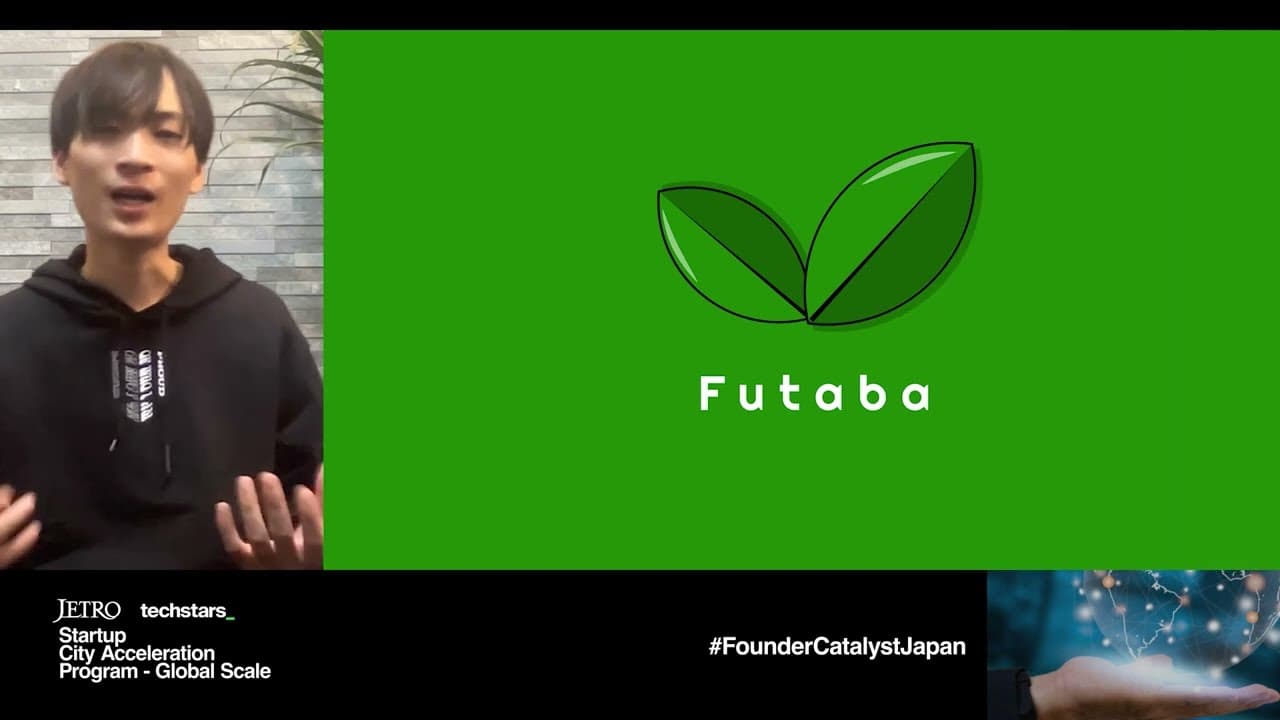
In a February 2022 presentation at Techstars’ Startup City Acceleration Program, Goki presented Futaba Lab, a blockchain infrastructure project focused on interoperability and cross-chain data access. He described limitations of existing Web API-based solutions, including security concerns and the difficulty of verifying data authenticity outside blockchains, and explained Futaba Lab’s approach of transferring data directly between chains without relying on Web APIs. The architecture allowed developers to specify the smart contracts and functions from which data should be retrieved, enabling cross-chain access. Kato also discussed the growing importance of on-chain data as transaction speeds increased, outlined the team’s background in DeFi development and participation in hackathons and incubation programs, and described a broader view of blockchain infrastructure in which secure data access across networks could support further development of decentralized applications. [4]