Subscribe to wiki
Share wiki
Bookmark
Bilal Bin Saqib
0%
Bilal Bin Saqib
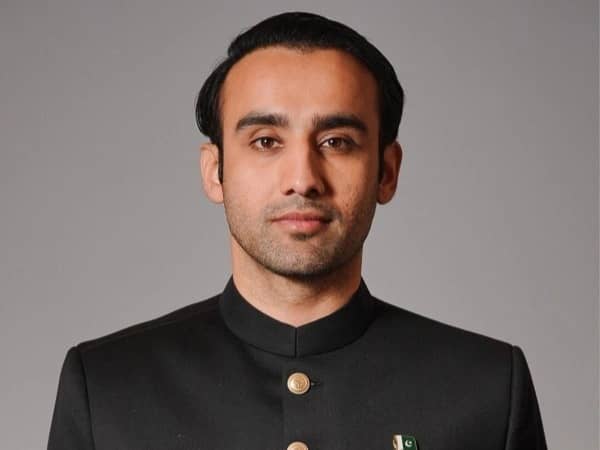
Bilal Bin Saqib is the Chairman of Pakistan Virtual Assets Regulatory Authority. Originally from Lahore, Pakistan, Saqib has made significant strides in both social entrepreneurship and digital finance. He was recognized with an MBE (Member of the British Empire) in 2023, awarded by Princess Anne for his humanitarian efforts during the COVID-19 pandemic, notably through the One Million Meals initiative, which provided over 100,000 meals to NHS frontline workers in the UK. [1] [2] [13]
Early Life and Education
Bilal Bin Saqib grew up in Lahore, Pakistan, where he demonstrated an early interest in social welfare and entrepreneurship. His academic journey took him to London, where he worked multiple jobs, including cleaning toilets, to finance his education. Saqib graduated with a Master's degree in Social Innovation and Entrepreneurship from the London School of Economics (LSE) in 2019. During his time at LSE, he became the elected Postgraduate Students' Officer and served on the Student Union Executive Committee, gaining popularity for his leadership among over 6,870 postgraduate students. [1] [2]
Career
Tayaba Organization
In 2016, Bilal Bin Saqib founded Tayaba.org, an organization focused on water accessibility in rural areas of Pakistan. The organization introduced the H2O Wheel, a device designed for transporting water in communities with limited infrastructure. Tayaba.org has operated in regions including Tharparkar and distributed H2O Wheels to households affected by water shortages.
Tayaba.org also conducted fundraising activities involving blockchain technology, including an NFT-based campaign held on International Charity Day. The organization later received the Points of Light Award in 2021.
One Million Meals
During the COVID-19 pandemic, Saqib co-founded One Million Meals in the United Kingdom. The initiative provided meals to frontline workers, including NHS staff, and other groups affected during the pandemic response period.
The project organized volunteer networks and coordinated food distribution operations during 2020. The initiative was referenced by media outlets including BBC, Sky News, ITV, and The Telegraph, and received public support from individuals including David Beckham.
Pakistan Crypto Council
Bilal Bin Saqib participated in the establishment of the Pakistan Crypto Council (PCC), an organization associated with blockchain and digital asset policy discussions in Pakistan. As Chief Executive Officer, he worked on matters related to regulatory development and cryptocurrency-related initiatives.
Government Advisory Roles
Saqib has held advisory roles related to blockchain and cryptocurrency within the Government of Pakistan. In 2025, he was appointed Special Assistant to the Prime Minister on Blockchain and Cryptocurrency with the status of Minister of State.
His work in this position included matters related to digital asset regulation, Bitcoin mining initiatives, and the use of blockchain technology in administrative and financial systems.
In April 2025, he was appointed Chairman of the Pakistan Virtual Assets Regulatory Authority.
Strategic Cryptocurrency Reserve
Bilal Bin Saqib announced the establishment of a government-led Strategic Bitcoin Reserve in Pakistan. The initiative was presented as part of the country’s digital asset and cryptocurrency-related framework.
Other Roles
Since 2022, Saqib has served as a Member of the Board of Advisors at Queen Mary University of London, where he has been involved in advisory activities related to strategy, partnerships, and marketing for the business school.
He has also held positions with organizations including ETHBarcelona, DoinGud, Coral Reef, and Busha Exchange, working in areas related to communications, marketing, blockchain initiatives, and organizational development.
Earlier in his career, Saqib served as a Postgraduate Student Officer at the London School of Economics Students’ Union. He also worked as a Teaching Assistant at Queen Mary, University of London, assisting students in Quantitative Research Methods. [1] [2] [4] [5] [6] [9] [11] [13]
Interviews
Pakistan’s Digital Asset Policies #01
On February 12, 2026, Bilal Bin Saqib participated in an interview related to Pakistan’s digital asset policies during Consensus Hong Kong 2026. The interview was published through the YouTube channels associated with the Pakistan Virtual Assets Regulatory Authority and Bilal Bin Saqib.
During the discussion, Bilal Bin Saqib described the development of Pakistan’s regulatory framework for digital assets and blockchain-related activities. He stated that cryptocurrency trading had already been widely adopted in Pakistan prior to the establishment of formal regulatory measures.
The interview included references to policy areas identified for implementation in 2026, including licensing procedures for virtual asset service providers, the use of stablecoins in cross-border transactions, the examination of tokenized financial instruments, and the application of artificial intelligence within regulatory processes.
Bilal Bin Saqib also discussed government-related initiatives involving Bitcoin reserves and the allocation of electricity resources for Bitcoin mining operations and AI data centers. In addition, he stated that several emerging economies, including Pakistan, were developing regulatory structures connected to digital finance and blockchain-based systems. [14]
Digital Asset Regulation Discussion #02
On May 7, 2026, Bilal Bin Saqib participated in a fireside chat organized by the Center for Digital Assets Research. The discussion addressed topics related to Pakistan’s digital asset sector, regulatory developments, and blockchain-based financial systems.
During the session, Bin Saqib discussed his perspective on the role of technology in economic and institutional development. He stated that technological infrastructure and digital systems may influence how countries participate in global financial and regulatory environments. He also referred to cryptocurrency adoption among younger populations in Pakistan and its relation to emerging regulatory discussions in the country.
Bin Saqib outlined several areas associated with the Pakistan Virtual Assets Regulatory Authority (PVARA), including the regulation of cryptocurrency-related activity, consumer protection measures, and the integration of digital asset activity into formal financial structures. He also referenced subjects such as stablecoin remittances, tokenized assets, and blockchain-based financial services.
The discussion additionally included references to regulatory sandbox programs, coordination between financial institutions and regulators, and workforce development related to blockchain technologies. Bin Saqib stated that educational initiatives, technical training, and experimentation through pilot programs could contribute to the development of digital asset-related infrastructure and services in Pakistan. [15]
See something wrong?