0% read
마지막 업데이트:
CHIP (USD.AI)
CHIP은 인공지능(AI) 인프라 자금 조달 및 USD 고정 자산 발행에 중점을 둔 암호화폐 프로젝트인 USD.ai 프로토콜의 네이티브 거버넌스 및 유틸리티 토큰입니다. CHIP은 핵심 프로토콜 매개변수를 관리하고, 인센티브 프로그램을 지원하며, USD.ai의 합성 달러 도구 및 GPU 기반 대출 시장을 뒷받침하는 예치자 및 스테이킹 흐름과 상호 작용합니다. 이 토큰의 공개 거래는 CoinList ICO와 에어드랍 프로그램에 이어 2026년 4월에 시작되었습니다. 시장 분석에 따르면 초기 상장 기간 동안 이례적으로 높은 거래량을 기록했으며, 출시는 광범위한 암호화폐 상승장과 시기가 일치했습니다.[1] [2]
암호화폐 비교
CHIP (USD.AI)과(와) 가격 및 기타 지표를 비교할 자산을 선택하세요.
 ?
?생태계 맵
CHIP (USD.AI)이(가) 연결된 위키와 그 관계를 맵에서 살펴보세요.
배경
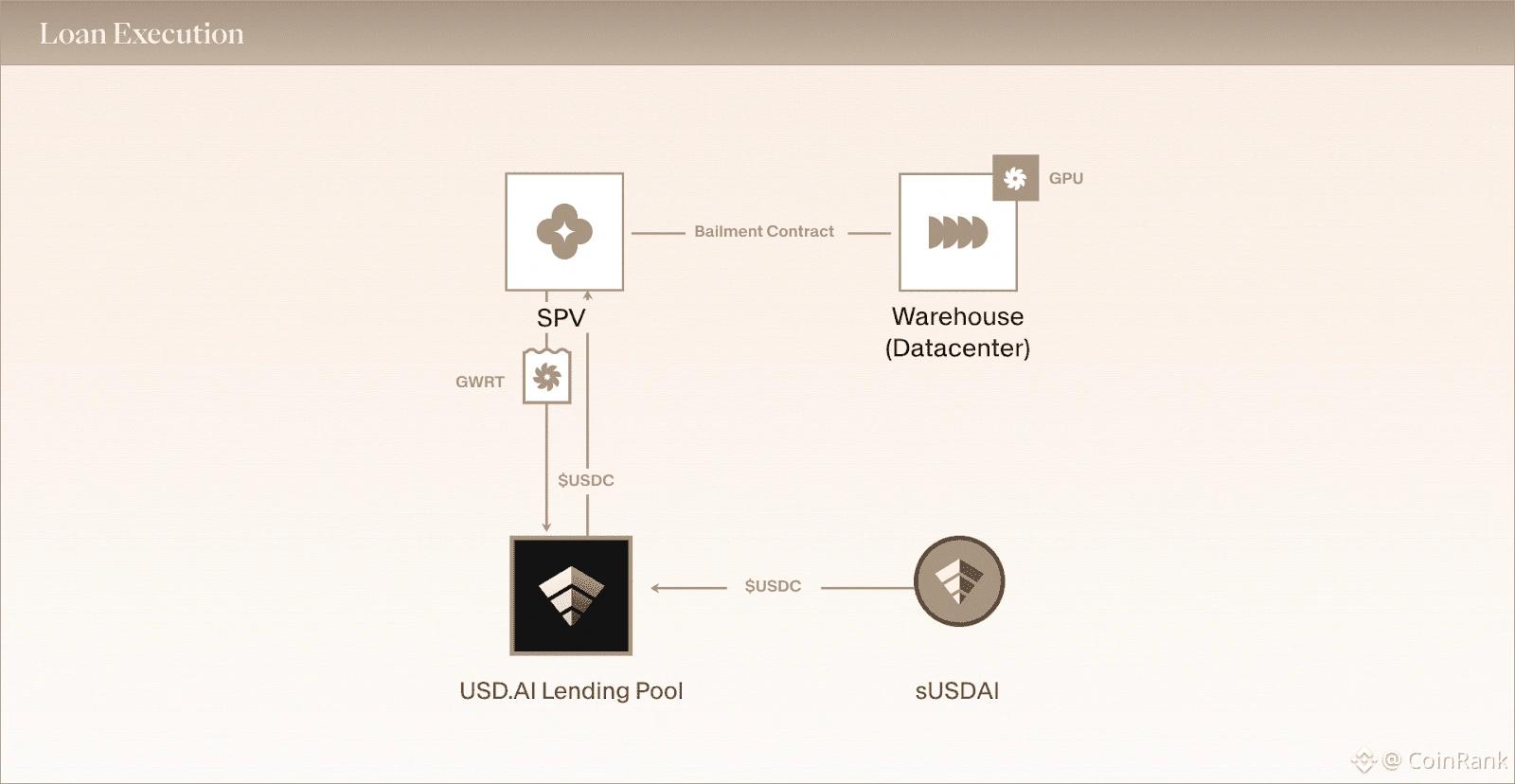
USD.ai 는 토큰화된 담보와 온체인 신용을 통해 AI 하드웨어(특히 GPU) 금융을 지원하기 위해 구축된 대출 및 합성 달러 프로토콜이라고 자칭합니다. 이 설계 내에서 세 가지 네이티브 수단이 핵심적인 역할을 합니다: USDai(수익이 발생하지 않는 합성 달러), sUSDai(수익이 발생하는 USDai의 표현체), 그리고 CHIP(거버넌스 토큰)입니다. 프로토콜 문서는 CHIP 보유자가 GPU 담보 대출의 이자 수익을 창출하는 매개변수를 포함하여, USD.ai 스택 전반의 차입자 경제 및 수익률 설정에 영향을 미친다는 점을 강조합니다. [3]
USD.ai의 조직 커뮤니케이션은 토큰 배분과 거버넌스 출시를 관리하는 USD.ai 재단(Foundation) 및 관련 법인을 언급합니다. 프로젝트의 출시 자료는 Permian Labs의 개발 기여와 CHIP의 멀티체인 배포 방식을 언급하고 있으나, 출시 당시 참고된 주요 페이지에는 개별 창립자의 이름이 눈에 띄게 공개되지 않았으며, 공식적인 리더십 약력은 거버넌스 또는 법적 서류를 통해 확인되어야 합니다. [1] [3]
타임라인
- 2026년 2월 9일 — USD.ai가 CHIP ICO 및 에어드랍을 발표하며, CoinList 판매 세부 정보와 "Allo Game" 참여 프로그램과 연계된 자격 규칙을 공개합니다.
- 2026년 2월 10일~27일 — ICO 참여를 위한 CoinList KYC 기간.
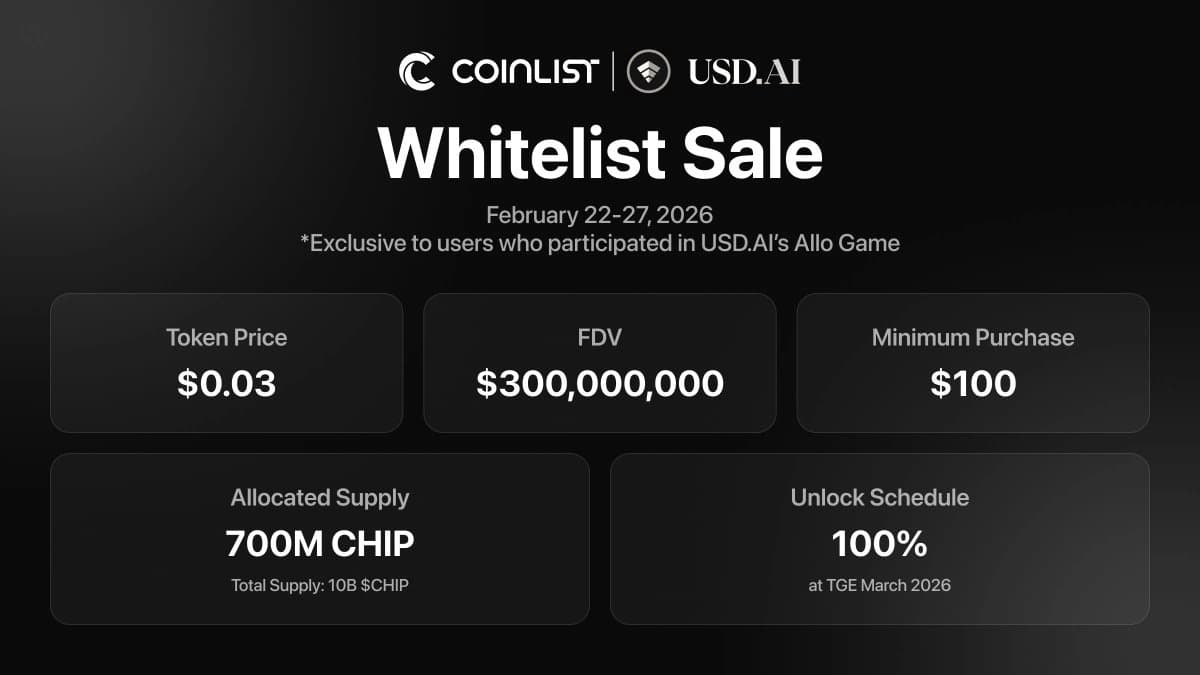
- 2026년 2월 22일~27일 — CHIP당 0.03달러에 CoinList ICO 판매 진행 (7억 CHIP, 총 공급량의 7%로 설명됨).
- 2026년 4월 20일 — USD.ai가 클레임에 앞서 자격이 있는 Level Up 에어드랍 지갑에 USDC 배포를 보고합니다.
- 2026년 4월 21일 — CHIP 공개 거래 시작 (USD.ai의 4월 22일 "어제 라이브로 전환됨"이라는 문구에서 추론).
- 2026년 4월 21일 — 한국 거래소인 업비트(Upbit)와 빗썸(Bithumb)에 토큰 상장; 바이낸스(Binance)와 코인베이스(Coinbase)도 이 시기에 상장하여 접근성을 확대합니다.
- 2026년 4월 22일 — USD.ai가 "$CHIP Is Live"를 게시; Hyperliquid가 무기한 선물을 발표하며 거래량 급증과 맞물립니다.
- 2026년 4월 21일~22일 — USD.ai의 완전 희석 가치(FDV)에 대한 예측 시장 활동이 심화됨; 언론은 동시적인 시장 랠리를 주목합니다. [4] [1] [5] [2]
Tokenomics
CHIP은 거버넌스, 스테이킹/보험, 수수료 라우팅 및 생태계 인센티브에 사용되는 고정 공급량의 ERC-20 호환 멀티체인 토큰입니다. 프로젝트의 출시 자료에 따르면 최대 공급량은 10,000,000,000개이며, 소수점 18자리와 기본 컨트랙트 주소를 가집니다. 공개 시장 트래커들은 출시 전후의 유통 공급량 데이터를 기록했으나, 이러한 지표는 시간이 지남에 따라 변하므로 인용 시 타임스탬프를 확인해야 합니다. [1] [6]
- 공급 및 식별: 최대 공급량 10,000,000,000개; 컨트랙트 주소 0x0c1c1c109fe34733fca54b82d7b46b75cfb71f6e; Ethereum, Arbitrum, 및 Base에 멀티체인/OFT 배포. [1]
- ICO 파라미터: USD.ai는 CoinList 판매에 700,000,000 CHIP(공급량의 7%)을 할당했으며, ICO 가격 기준 FDV는 3억 달러였습니다. ICO 토큰은 TGE 시점에 락업이 해제되는 것으로 발표되었으며, 판매는 Ethereum 네트워크의 USDC/USDT를 통해 진행되었습니다. [4]
- 유통 공급량 및 시장 데이터: 시장 애그리게이터들은 상장 후 유통 공급량, 가격 및 거래량을 실시간으로 기록했습니다. 초기 스냅샷에 따르면 최대 공급량은 100억 개이며 출시 시점 또는 그 근처의 유통량은 약 20억 개였습니다. 수치는 시간에 따라 변동되므로 참조 날짜의 애그리게이터 페이지에서 확인해야 합니다. [6] [7]
- 거버넌스 범위: 토큰의 거버넌스 범위에는 차입자 이율 및 범위, 하드웨어 승인 기준, sUSDai 발생에 영향을 미치는 이자율 설정 및 광범위한 프로토콜 요구 사항이 포함됩니다. 이는 USD.ai의 신용 및 수익 메커니즘에 대한 CHIP의 정책적 역할을 강조합니다. [3]
- 할당 및 베스팅 세부 정보: USD.ai의 토큰노믹스 자료에 따르면 생태계 부트스트래핑(Ecosystem Bootstrapping)에 27.5%(유동성 공급, 성장 이니셔티브, 에어드랍 및 타겟 인센티브), Reserve에 19.5%(보조금, 파트너십 및 프로토콜 R&D)가 할당되었습니다. 또한 핵심 기여자(Permian Labs 기여자) 및 투자자에 대한 베스팅 일정도 명시되어 있습니다: 12개월 전까지 0%, 12개월 차에 33%, 나머지 67%는 이후 24개월 동안 매월 균등하게 베스팅 또는 해제됩니다. 프로그램 자료에 따르면 CHIP의 10%는 시즌 1("The Allo Game") 동안 배포되었습니다. 수치와 일정은 2026년 4월 기준 프로젝트 문서를 반영하며 인용 시 타임스탬프를 확인해야 합니다. [9]
출시 및 배포
USD.ai는 CHIP의 출시를 단계별로 진행했습니다: Allo Game 참여 프로그램, 공개 CoinList ICO, 자격을 갖춘 Allo 참가자 대상 에어드랍, 그리고 TGE 이후 중앙화 및 탈중앙화 거래소 상장입니다. 또한 프로젝트는 특정 참가자들을 위해 보호된 언락(unlock) 및 FDV 벤치마크와 연동된 환불 옵션을 특징으로 하는 “Level Up” 배포 메커니즘을 설명했습니다. [4] [1]
-
CoinList ICO: 공개 판매는 KYC 기간(2월 10일~27일)에 이어 2026년 2월 22일부터 27일까지 진행되었으며, 가격은 CHIP당 $0.03, 할당량은 7억 개였습니다. USD.ai는 ICO 토큰이 비수탁형 지갑으로 전달되며 TGE 시점에 완전히 언락될 것이라고 밝혔습니다. [4]
-
에어드랍 자격: “얼라이먼트(alignment)”(지정된 ICO/에어드랍 전략 참여)를 달성한 Allo Game 시즌 1 참가자들은 TGE 시점에 할당량을 받을 자격이 주어졌으며, 등록된 지갑에 대해 별도의 청구 절차는 필요하지 않았습니다. [4]
-
상장 및 파생상품: TGE 이후 CHIP은 주요 데이터 애그리게이터와 여러 거래소에 등장했습니다. 지역 보고서에 따르면 업비트 및 빗썸(4월 21일) 상장과 바이낸스 및 코인베이스의 거의 동시 상장이 언급되었습니다. Hyperliquid는 2026년 4월 22일에 무기한 선물을 발표했습니다. [5]
-
보호된 언락 및 환불: USD.ai는 만기일이 있는 “보호된” CHIP 언락과 USDC 기반의 FDV 연동 환불 옵션을 특징으로 하는 Level Up 메커니즘을 설명했습니다. 구체적인 정산 임계값과 날짜는 출시 공지 및 관련 프로그램 자료에 명시되었습니다. [1]
ICO 및 에어드랍 참여는 토큰 판매에서 일반적인 KYC 및 관할권 제외 대상이 적용되었습니다. USD.ai는 피싱 위험을 완화하기 위해 제외 목록을 게시하고 공식 채널 이용을 강조했습니다. [4]
활용 사례 및 유틸리티
-
신용 및 수익률 거버넌스: CHIP 보유자는 차입자 이율, 대출 조건 및 GPU 담보 대출에 대한 하드웨어 적격성을 설정하는 거버넌스에 참여합니다. 이러한 선택은 sUSDai의 수익 발생 및 전반적인 위험 태세에 영향을 미칩니다. [3]
-
스테이킹(Staking) 및 보험: USD.ai 자료에 따르면 프로토콜의 부실 채권으로부터 sUSDai 보유자를 보호하기 위한 보험 모듈에 스테이킹하는 기능이 설명되어 있습니다. 또한 스테이킹은 출시 커뮤니케이션에서 언급된 포인트 시스템을 포함한 보상 프로그램과 연동됩니다. [1]
-
인센티브 및 유동성: CHIP은 유동성을 촉진하고, 예치자 및 LP에게 보상을 제공하며, Curve, Aerodrome, Gamma, Balancer 및 선정된 대출 프로토콜과 같은 플랫폼 전반의 참여를 조율하기 위해 할당됩니다. [1]
-
크로스체인 자산 및 거래 단위: 멀티체인/OFT 토큰인 CHIP은 Ethereum, Arbitrum, Base에서 유통되어 중앙화 거래소와 EVM 호환 DeFi 통합 모두에 대한 접근을 가능하게 합니다. [1]
거버넌스, 스테이킹/보험 및 인센티브 라우팅의 결합은 CHIP을 USD.ai의 합성 달러 및 대출 상품 전반의 조정 자산으로 위치시킵니다. [3]
커뮤니티 및 거버넌스
USD.ai는 프로토콜 정책 및 신용 리스크 관리를 위한 거버넌스 수단으로 CHIP을 제시합니다. 거버넌스 원형(제안 제출, 투표 및 파라미터 업데이트)은 자본 배치와 수익 분배를 형성하도록 설계되었으며, 재단 구조는 오프체인 관리 및 커뮤니케이션을 조율합니다. [3] [1] 프로젝트 문서에 따르면 모든 핵심 프로토콜 파라미터는 CHIP 거버넌스의 대상이며, 거버넌스 투표 없이는 프로토콜 인프라에 대한 실질적인 변경을 진행할 수 없습니다. [8]
-
거버넌스 범위: CHIP 보유자는 차입자 조건, 하드웨어 적격성 및 sUSDai 수익 메커니즘에 직접적인 영향을 미치는 설정을 결정합니다. 이 모델은 신용 및 재무 정책에 대해 측정 가능하고 파라미터화된 거버넌스를 강조합니다. [3]
-
커뮤니티 프로그램: USD.ai의 Allo Game과 이후의 “Flatiron” 포인트 시즌은 지정된 장소의 LP, 스테이커 및 통합자에게 보상(CHIP 에어드랍 포함)을 전달하여 초기 참여와 유동성 형성을 장려했습니다. [1]
-
거버넌스 아키텍처: 명시적으로 거버넌스 대상이 되는 영역에는 담보 표준, 이자율 파라미터, 대출 적격성 기준, 프로토콜 업그레이드 및 통합(오라클/데이터 제공자 포함), 프로토콜 수수료 영역 및 라우팅이 포함됩니다. 문서에 따르면 Chainlink와 같은 오라클/데이터 제공자를 추가하거나 수정할 때 거버넌스 승인이 필요합니다. [8]
-
담보(Collateral) 및 리스크 표준: 거버넌스는 GPU 하드웨어 적격성 및 관련 리스크 파라미터를 설정합니다. 나열된 적격 하드웨어에는 RTX Pro 6000, H200, B200/B300 및 GB200/GB300이 포함됩니다. 파라미터에는 최대 LTV, 하드웨어 감가상각 일정, 담보 등급 추가 또는 일몰을 위한 메타 거버넌스가 포함될 수 있습니다. [8]
-
이자율 및 대출 적격성 제어: 거버넌스는 GPU 담보 대출의 기준 참조 금리, 등급별 조정(이용률 기반 및 거버넌스 트리거 변경 포함), 최소 담보 커버리지, 수용 가능한 오프테이크(offtake) 계약 구조, 지리적 제한 및 차입자 프로필 기준을 정의합니다. [8]
-
스테이킹(Staking) 모듈 및 백스탑(sCHIP): CHIP을 스테이킹하여 sCHIP을 받을 수 있습니다. 스테이킹 해제는 거버넌스가 설정한 쿨다운 및 출금 기간의 적용을 받습니다. 스테이킹된 CHIP은 프로토콜 결손을 보전하는 백스탑으로 사용될 수 있으며, 슬래싱 금액은 거버넌스를 통해 설정된 파라미터에 의해 제한되고, 거버넌스는 무엇이 결손 이벤트에 해당하는지 정의합니다. 재단(Foundation)은 보안, 법률 및 계약 검토를 거쳐 스테이킹된 CHIP의 업그레이드를 모색하고 있다고 밝혔습니다. [8]
-
절차적 참고 사항: 스마트 컨트랙트 업그레이드, 오라클/데이터 제공자 승인, 외부 프로토콜 통합, 수수료 라우팅 또는 수수료 영역 변경에는 거버넌스 승인이 필요하며, 성공적인 거버넌스 투표 없이는 진행할 수 없는 것으로 규정되어 있습니다. [8]
파트너십 및 통합
TGE 이후의 보도 자료는 중앙화 및 탈중앙화 플랫폼 전반에 걸친 상장 및 파생상품 지원을 언급했습니다. DeFi 분야에서 USD.ai는 참가자들이 스테이블코인 및 거버넌스 토큰 풀에 스테이킹하거나 유동성을 제공함으로써 보상을 받을 수 있는 통합 사례를 강조했습니다. [5] [1]
-
거래소 접근성: 지역 및 글로벌 거래소(예: Upbit, Bithumb, Binance, Coinbase)는 출시 기간 동안 CHIP을 상장했습니다. Hyperliquid는 다음 날 무기한 선물을 발표하여 파생상품 접근성을 확대했습니다. [5]
-
DeFi 장소: USD.ai의 인센티브 프로그램은 USDai/sUSDai 및 CHIP 유동성과 관련된 보상을 얻을 수 있는 채널로 Curve, Aerodrome, Balancer, Gamma, Maverick 및 Fluid, Euler, Silo, Morpho, Gearbox를 포함한 대출 프로토콜을 언급했습니다. [1]
-
시장 가시성: 애그리게이터인 CoinGecko 및 CoinMarketCap은 컨트랙트 링크, 거래소 페어 및 실시간 지표를 제공하여 발견 가능성을 높이고 광범위한 모니터링을 가능하게 했습니다. [6] [7]
잘못된 내용이 있나요?

평균 평점
아직 평가가 없습니다
경험은 어땠나요?
빠른 평가를 해서 우리에게 알려주세요!
chipUSD
가격
$0.0244145
1.18%
시가 총액
$48,785,025.00
1.27%
희석된 시가 총액
$243,925,123.00
1.27%
거래량
$3,006,091.00
0.00%
편집자
July 11, 2026. 03:07 UTC
편집 요약:
Updated tags (Stablecoins, AI -> Stablecoin), category (Cryptocurrencies -> Cryptoassets) and events list (11 items)