0% read
마지막 업데이트:
Patrick Colangelo
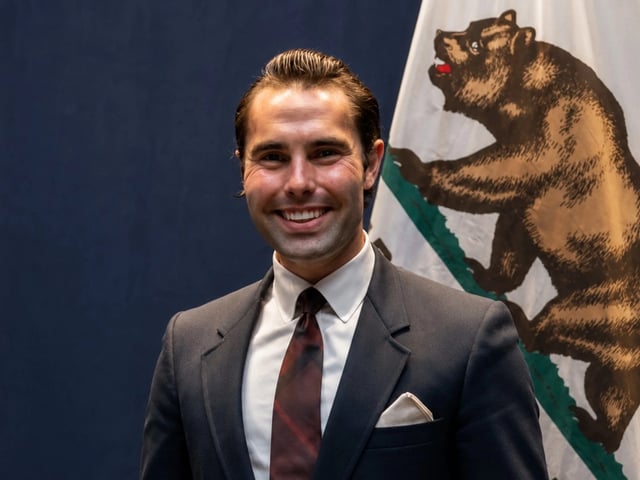
**패트릭 콜란젤로(Patrick Colangelo)**는 사모펀드, 자본 시장 및 기업가 정신 관련 조직에서 경험을 쌓은 투자자이자 기업가입니다. 그는 탈중앙화 AI 실행에 중점을 둔 레이어 1 블록체인 네트워크인 네사 프로토콜(Nesa Protocol)의 공동 설립자입니다. 그의 경력에는 투자 회사 설립과 하버드 대학교의 학생 주도 투자 및 기업가 정신 이니셔티브에서의 리더십 역할이 포함됩니다. [1]
경력
콜란젤로는 2012년 4월 블랙 다이아몬드 캐피털 인베스터스(Black Diamond Capital Investors, LLC)를 설립하고 회장직을 맡아왔습니다. 이 회사는 사모펀드, 성장 자본(growth equity), 메자닌 캐피털, 부실 채권 투자(distressed investments)를 포함한 다양한 분야의 투자 활동에 집중하고 있습니다. 2012년부터 2014년까지 콜란젤로는 하버드 칼리지 사모펀드 그룹(Harvard College Private Equity Group)의 회장을 역임하며 차입 매수(LBO), 성장 자본, 메자닌 금융 및 부실 투자 전략에 참여했습니다. 같은 기간인 2011년부터 2014년까지 그는 하버드 칼리지 기업가 정신 포럼(Harvard College Entrepreneurship Forum)의 회장을 맡아 하버드 대학교의 기업가 정신 중심 학생 조직 중 하나를 이끌었습니다. [2]
패널 활동
AI에 FHE 도입하기
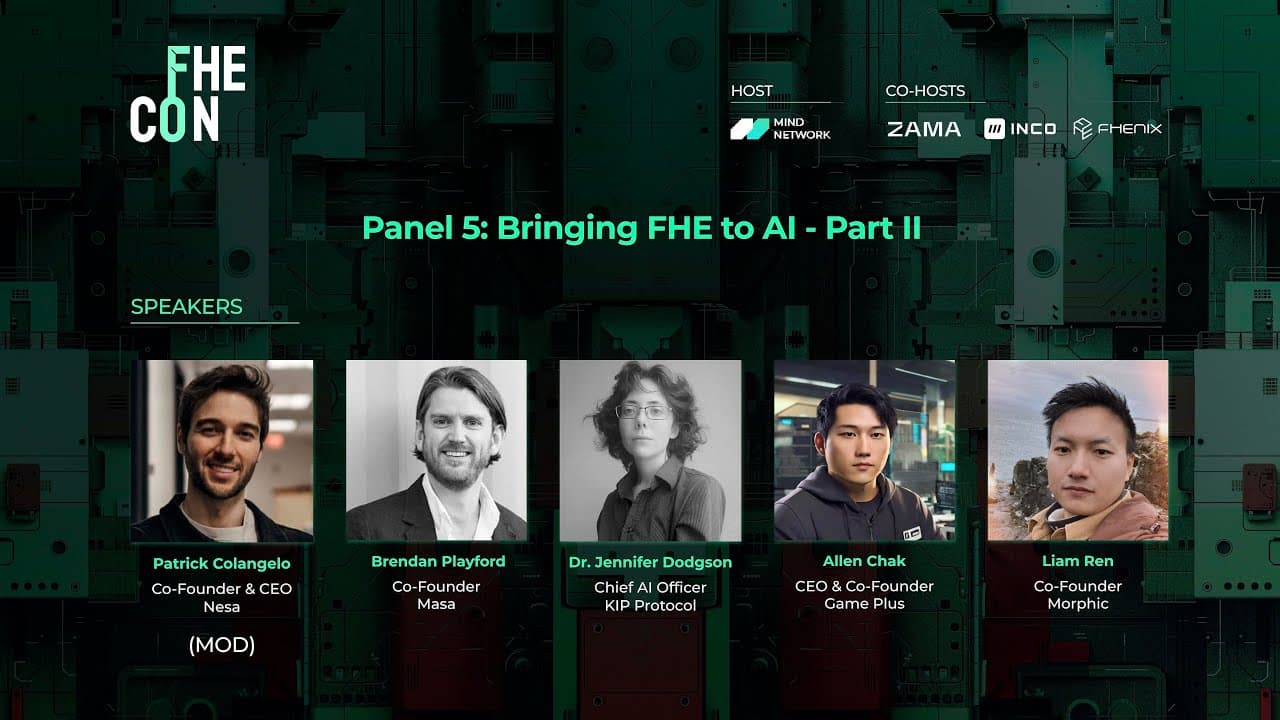
2024년 10월 싱가포르 TOKEN2049 기간 중 열린 FHECon에서 콜란젤로는 Masa의 브렌단 플레이포드(Brendan Playford), KIP 프로토콜의 제니퍼 닷슨(Jennifer Dodgson) 박사, Game Plus의 앨런 착(Allen Chak), Morphic의 리암 렌(Liam Ren)과 함께 탈중앙화 AI 시스템 개발에서 완전 동형 암호(FHE)의 역할을 탐구하는 패널 토론의 사회를 맡았습니다. 이 토론은 FHE 및 기타 개인정보 보호 기술이 민감한 정보를 노출하지 않고 암호화된 데이터에 대한 연산을 가능하게 함으로써 어떻게 안전한 AI 애플리케이션을 구현할 수 있는지에 초점을 맞췄습니다. 플레이포드는 Masa의 탈중앙화 데이터 네트워크와 머신러닝 애플리케이션을 위해 대규모 데이터 세트에 접근할 수 있도록 하는 접근 방식에 대해 논의했으며, 닷슨은 프라이버시를 유지하면서 AI 자산을 배포하고 수익화하는 메커니즘을 포함하여 AI 개발을 위한 Web3 인프라에 대한 KIP 프로토콜의 집중 분야를 설명했습니다. 착은 탈중앙화 데이터와 AI 생성 콘텐츠를 활용하여 더욱 인터랙티브한 경험을 창출하는 등 게임 분야의 기회를 강조했고, 렌은 영지식 증명 및 신뢰 실행 환경(TEE)과 같은 암호학적 접근 방식과 함께 FHE를 구현하는 데 따르는 기술적 과제를 논의했습니다. 패널들은 또한 컴퓨팅 비용, 프라이버시 우려, FHE에 대한 교육의 필요성 등 광범위한 채택을 가로막는 장벽을 검토했으며, 참가자들은 프라이버시 보호 기술이 탈중앙화 AI 애플리케이션에 더욱 실용적으로 쓰이기 위해서는 지속적인 연구와 인프라 개발이 필요하다는 점에 주목했습니다. [3]
잘못된 내용이 있나요?

평균 평점
아직 평가가 없습니다
경험은 어땠나요?
빠른 평가를 해서 우리에게 알려주세요!
편집자
July 14, 2026. 15:04 UTC
편집 요약:
Updated tags (Ethereum moved first), changed category to People in crypto, updated media/images (1 -> 1 items)