Amanda Tuminelli
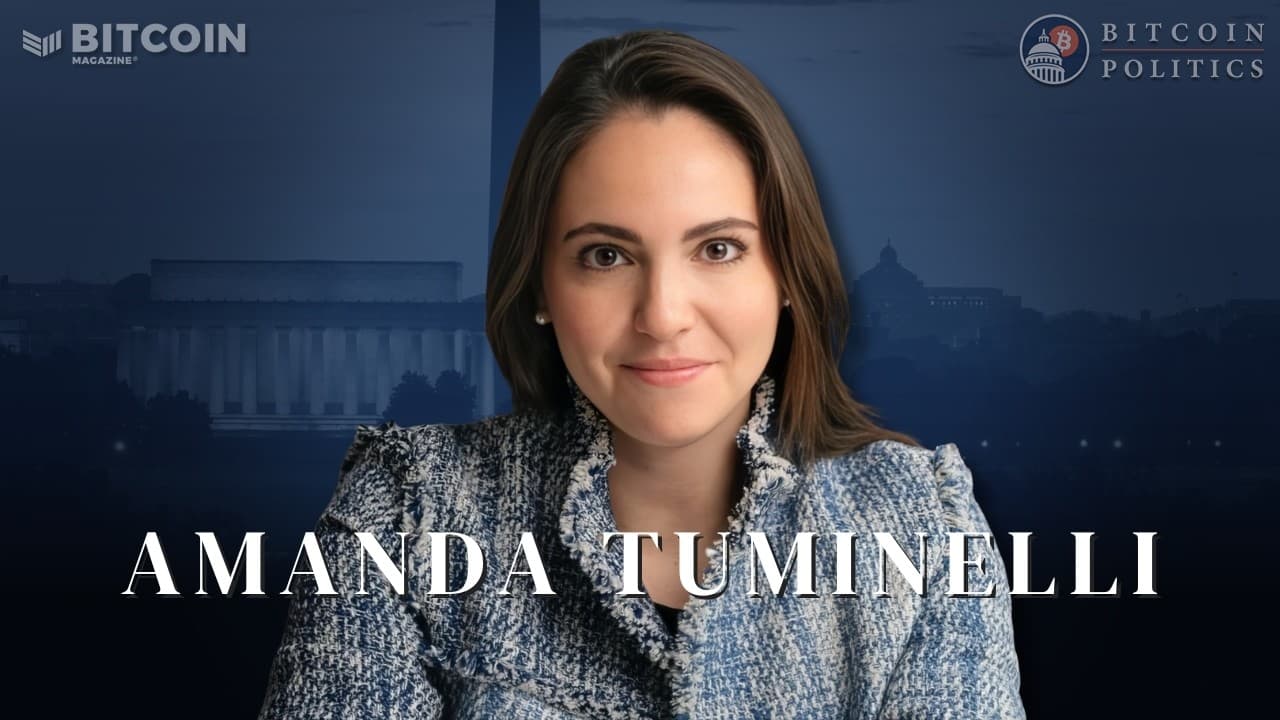
Amanda Tuminelli is an attorney and policy executive whose work has focused on securities litigation, white-collar investigations, financial regulation, and digital asset policy. She is the Chief Executive Officer and Chief Legal Officer of the DeFi Education Fund, an organization focused on legal, regulatory, and policy issues affecting decentralized finance. [5]
Education
Tuminelli graduated from New York University with a BA in French and Math in 2010. She then attended Georgetown Law, where she earned her JD in 2013. [1]
Career
Tuminelli began her legal career as a paralegal at Markowitz & Chattoraj LLP and later worked as a summer paralegal at Wachtell, Lipton, Rosen & Katz. While attending law school, she served as a law clerk for the Superior Court of the District of Columbia and completed legal internships and summer associate positions at Finn Dixon & Herling LLP, Dechert LLP, and the U.S. District Court for the Southern District of New York.
In 2013, Tuminelli joined Dechert LLP as an associate in the firm's White Collar and Securities Litigation practice, where she worked on securities enforcement matters, investigations, and complex litigation. After nearly five years at the firm, she served as a judicial law clerk in the U.S. District Court for the Eastern District of New York from 2018 to 2019 before joining litigation and investigations firm Kobre & Kim. At Kobre & Kim, she worked as an associate and later as a principal, focusing on government enforcement actions, regulatory investigations, and cross-border disputes.
In March 2023, Tuminelli joined the DeFi Education Fund as Chief Legal Officer, leading the organization's legal and regulatory advocacy efforts related to decentralized finance and digital assets. In March 2025, she was appointed Chief Executive Officer while continuing to serve as Chief Legal Officer. Her work has centered on the legal and policy implications of blockchain technology, cryptocurrency regulation, and the evolving regulatory framework for decentralized financial systems. [1] [2] [4]
Interviews
Crypto Legislation
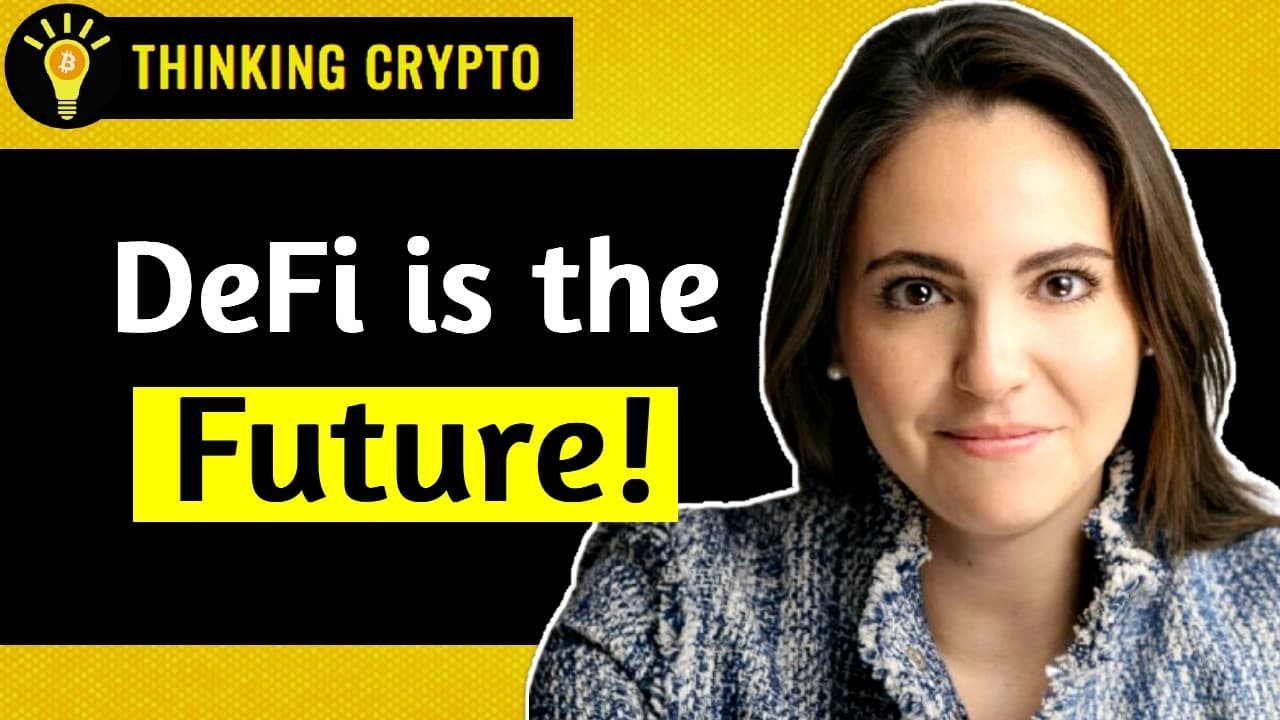
On the Thinking Crypto podcast in February 2026, Tuminelli discussed ongoing efforts to shape U.S. crypto and DeFi legislation, emphasizing the importance of federal preemption to prevent a patchwork of state laws. She highlighted the significance of the market structure bill, which aims to protect software developers and clarify regulations governing blockchain technology, DEXes, and tokenized securities, ensuring innovation can thrive without undue restrictions. Tuminelli explained the critical role of the Blockchain Regulatory Certainty Act (BRCA), designed to shield non-custodial developers from being classified as money transmitters, thereby supporting permissionless protocols. She observed that regulators such as the SEC, CFTC, OCC, and Fed are actively engaging with industry stakeholders to develop rules, often working simultaneously with Congress, which can pass legislation like the Clarity Act to achieve comprehensive regulation. Tuminelli stressed the need for evolving legal interpretations, like the Howey test, to accommodate modern technology and condemned the excessive politicization of crypto, advocating for clear, fair regulation to foster innovation. She also addressed issues such as stablecoin regulation, the anti-CBDC bill, and the importance of self-custody rights, emphasizing that technology development benefits from a smart, balanced regulatory environment that recognizes the distinct nature of decentralized finance and software-based protocols. [8]
CLARITY Vs DeFi
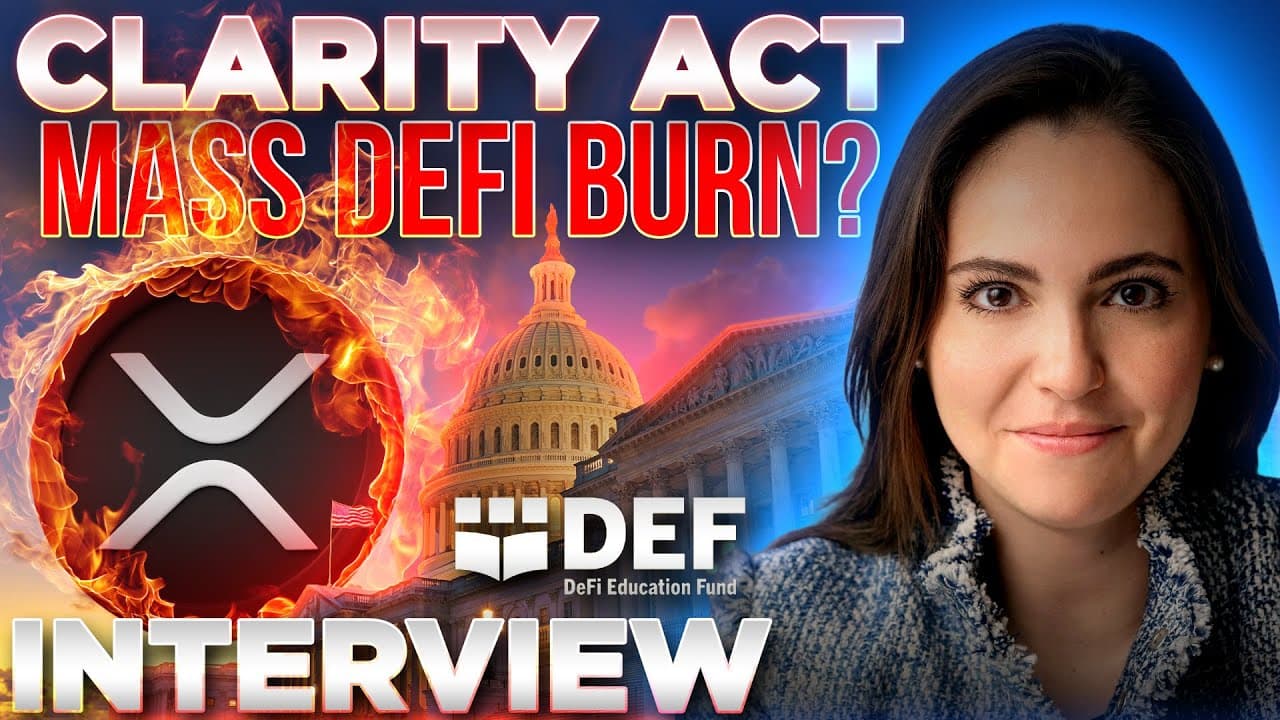
On The Ethereum Podcast with Paul Barron in January 2026, Tuminelli discussed the developments surrounding the upcoming Clarity Act and its potential implications for DeFi and blockchain regulation. She indicated that progress on the bill was moving rapidly, with committee markups scheduled and hopes for it to pass within the first quarter of the year. Key issues included protecting self-custody and ensuring that software developers and decentralized technologies were not unfairly classified as financial institutions. Tuminelli emphasized that significant lobbying by traditional financial institutions posed challenges, particularly regarding proposed restrictions on stablecoin yields and the treatment of DeFi wallets. She criticized misconceptions from entities like Citadel, clarifying that decentralized systems should be distinguished from centralized ones under securities law. While there was optimism that the bill could pass soon, she noted uncertainties stemming from the bill's still-unknown full text and ongoing debates over token decentralization and regulation. Overall, the discussion highlighted the complex legislative landscape and the efforts to protect the innovative DeFi ecosystem amidst increasing regulatory scrutiny. [6]
Tornado Cash Trial
In an interview with Bitcoin Magazine in July 2025, Tuminelli discussed the legal complexities surrounding the Tornado Cash case. She explained that a developer of a neutral tool is not responsible for third-party misuse, citing U.S. Code 1960 and recent guidance from FinCEN, which clarifies that control over funds is crucial in determining whether a transaction constitutes money transmission under the law. The DOJ's interpretation, which suggests developers could be liable regardless of custody, contradicts established guidance and creates legal uncertainty. Tuminelli highlighted efforts to legislate clear protections for developers, such as the Blockchain Regulatory Certainty Act (BRCA), which seeks to prevent non-controlling developers from being classified as money transmitters. She emphasized the importance of legislative clarifications to prevent overreach and protect innovation, especially given the potential impact of trial outcomes, such as a guilty verdict, which could set problematic precedents. She also underscored the significance of legal briefs filed in support of dismissals and discussed the courtroom dynamics, including the challenges faced by the defense. Finally, she called on the community to advocate for clearer laws and protections by engaging directly with legislators, warning that adverse rulings could hinder technological development and privacy rights in the crypto space. [9]