0% read
Eric Coley
Eric Coley
Eric Coley는 Indigo Laboratories의 공동 창립자이자 최고 경영자(CEO)입니다. [1] [2] 그는 합성 자산 생성을 가능하게 하는 Cardano 블록체인에 구축된 탈중앙화 금융 (DeFi) 프로토콜인 Indigo Protocol 개발을 이끌고 있습니다. [3] [4]
교육
Coley는 2010년부터 2014년까지 University of Central Florida에 다녔으며, 그곳에서 컴퓨터 과학 학사 학위(B.S.)를 받았습니다. 컴퓨터 과학 분야의 그의 학문적 배경은 소프트웨어 엔지니어링 및 블록체인 개발 분야에서 그의 후기 경력을 위한 기술적 토대를 제공했습니다. [2]
경력
Coley의 경력은 방위 기술, 스타트업 및 블록체인 개발 분야의 역할을 포괄하며, Indigo Laboratories에서의 그의 리더십 역할로 절정에 달했습니다. [2]
초기 경력 및 블록체인 진출
졸업 후 Coley는 항공우주 및 방위 기술 회사인 Northrop Grumman에서 2014년 6월부터 2015년 12월까지 소프트웨어 엔지니어로 전문 경력을 시작했습니다. 그런 다음 그는 스타트업 세계로 전환하여 2016년 1월부터 2017년 11월까지 BookitLookit의 CEO로 근무했습니다. 그 후 2018년 4월부터 2018년 9월까지 Simetri에서 소프트웨어 개발자로 잠시 근무했습니다. 한 소식통은 또한 Indigo에서의 그의 작업 이전에 Coley가 기술 및 통신 분야에서 15년의 컨설팅 경험을 축적했다고 언급합니다. [3]
Coley는 2007년에 프로그래밍을 시작했고 2016년 말에 블록체인 기술을 처음 발견했습니다. 2017년 말까지 그는 암호화폐 관련 프로젝트에 집중하기 위해 직장을 그만두고 업계에 풀타임으로 진출했습니다. 그의 경력은 2018년 10월부터 2021년 1월까지 Digital Gorkha에서 블록체인 및 웹 기술 이사로 재직하면서 블록체인 인프라로 결정적인 전환을 이루었습니다. 2019년에는 Cardano의 스마트 계약 출시를 예상하여 Coley는 Haskell 프로그래밍 언어를 배우기 시작하여 Cardano 네트워크에서 구축하는 데 대한 구체적이고 초기 관심을 보여주었습니다. [2]
Indigo Laboratories
Indigo Protocol이 될 개념은 2020년 12월에 시작되었습니다. [2] Coley는 2021년 초에 Dewayne Cameron(CIO)과 함께 프로토콜 개발 회사인 Indigo Laboratories를 공동 설립했습니다. [3] [4] CEO로서 Coley는 회사와 Indigo Protocol의 전반적인 전략, 비전 및 성장에 대한 책임이 있습니다. 그는 또한 Cardano 및 더 넓은 암호화폐 커뮤니티 내에서 프로젝트의 주요 공공 대표입니다. [1] 소식통은 회사의 본사가 플로리다주 올랜도와 텍사스주 오스틴에 있다고 다양하게 보고했습니다. [2] [4]
인터뷰에서 Coley는 Indigo를 만든 동기에 대해 "탈중앙화 금융이 전통 금융을 어떻게 진정으로 파괴할 것인지 보았습니다. 전 세계 어디에서나 탈중앙화된 블록체인에서 모든 자산을 거래할 수 있는 능력은 그렇지 않으면 세계 시장에 대한 접근이 제한될 개인에게 많은 기회를 열어줄 것입니다. 저는 Cardano가 DeFi에 이상적인 토대를 제공할 것이라고 굳게 믿고 있으며, 이것이 우리가 Indigo 출시에 매우 흥분하는 이유입니다."라고 밝혔습니다. [3]
Indigo Protocol 작업
Coley의 리더십 하에 Indigo Protocol은 Cardano의 DeFi 생태계의 핵심 구성 요소로 개발되었습니다. [4] 프로젝트의 주요 임무는 실제 자산의 토큰화를 가능하게 하여 사용자가 직접 보유할 필요 없이 광범위한 자산에 대한 온체인 가격 노출을 제공하는 것입니다. [3]
미션 및 기술
Indigo Protocol은 iAsset으로 알려진 합성 자산 생성을 허용하는 알고리즘 기반의 탈중앙화 시스템입니다. iBTC(Bitcoin 추적) 또는 iUSD(스테이블코인)와 같은 이러한 자산은 기본 실제 또는 디지털 자산의 가격을 미러링하도록 설계되었습니다. 이 프로토콜은 담보화된 부채 포지션(CDP) 모델에서 작동하며, 사용자는 Cardano의 기본 토큰 ADA와 같은 담보를 스마트 계약에 잠가 원하는 iAsset을 발행합니다. 가격 변동성에 대한 시스템의 지급 능력을 보장하기 위해 모든 포지션은 과도하게 담보화되어야 합니다. 즉, 잠긴 담보의 가치가 발행된 iAsset의 가치보다 높습니다. [3] [4]
Coley와 그의 팀은 강력한 금융 프로토콜을 구축하는 데 필수적인 연구 기반 접근 방식, 보안 초점 및 확장된 UTXO(EUTXO) 회계 모델의 결정론을 인용하여 Cardano 블록체인에 Indigo를 구축하기로 선택했습니다. [3] [1]
Coley의 지시 하에 확립된 프로토콜의 핵심 기능은 탈중앙화된 거버넌스 구조입니다. 이 프로토콜은 기본 INDY 거버넌스 토큰 보유자가 제안에 투표할 수 있는 Indigo DAO(탈중앙화 자율 조직)에서 관리합니다. 여기에는 프로토콜 업그레이드, 새로운 iAsset 도입 및 위험 매개변수 조정에 대한 결정이 포함됩니다. [3] [4]
채택 및 상호 운용성을 촉진하기 위해 Indigo Laboratories는 SundaeSwap, COTI, Ardana, Liqwid, Minswap, Chainlink 및 Charli3를 포함한 Cardano 생태계의 다른 주요 프로젝트와 파트너십을 구축했습니다. [3]
공개 출연
프로젝트의 공개적인 얼굴로서 Eric Coley는 Indigo Protocol에 대해 논의하기 위해 다양한 미디어에 출연했습니다. 2021년 5월 19일, 그는 Indigo CIO Dewayne Cameron과 함께 "Cardano Live" 팟캐스트에 게스트로 출연했습니다. 에피소드 동안 그는 Indigo Protocol에 대한 개요를 제공하고 팀을 소개했으며 프로젝트의 개발 로드맵과 확장되는 Cardano DeFi 생태계에서의 역할에 대해 논의했습니다. [2]
인터뷰
Indigo Protocol 개발에 대한 Eric Coley의 인터뷰 #01
2022년 8월 13일, Eric Coley는 YouTube 채널 Cardano With Paul에 출연하여 “Indigo Protocol Feature Complete – What’s Next?”라는 제목의 인터뷰를 진행했습니다.
인터뷰에서 Coley는 Indigo Protocol이 2022년 7월 말에 기능 완료 단계에 도달했다고 밝혔습니다. 그는 당시 프로젝트가 핵심 스마트 계약 기능을 완료하고 코드 최적화 및 보안 검토에 집중하는 단계로 이동했다고 설명했습니다. 그는 배포 전에 2022년 9월에 여러 보안 감사가 계획되어 있다고 밝혔습니다.
Coley는 Indigo를 iBTC 및 iUSDC와 같은 예를 포함하여 담보 지원 합성 자산의 발행을 허용하도록 구성된 Cardano 기반 합성 자산 프로토콜로 설명했습니다. 그는 이러한 자산이 Cardano 기본 토큰으로 발행되며 외부 관리인 또는 브리지 기반 래핑 메커니즘에 의존하지 않고 작동하도록 설계되었다고 밝혔습니다.
Coley에 따르면 프로토콜의 초기 릴리스에는 합성 자산 발행, 안정성 풀 메커니즘, 유동성 제공 및 탈중앙화 자율 조직을 통한 온체인 거버넌스 기능이 포함될 예정이었습니다. 그는 출시 후 프로토콜 변경 사항은 핵심 개발 팀의 직접적인 통제가 아닌 거버넌스 프로세스의 적용을 받는다고 밝혔습니다.
그는 Vasil 하드 포크를 프로젝트 개발 타임라인의 요인으로 언급하고 예상 릴리스 기간은 외부 감사 완료와 네트워크 수준 업그레이드 구현에 달려 있다고 밝혔습니다. 그는 인터뷰 당시 사용 가능한 정보를 기반으로 2022년 11월 초의 예상 출시 기간을 언급했습니다.
Coley는 또한 여러 탈중앙화 거래소의 계획된 통합에 대해 논의하면서 프로토콜이 Minswap 및 SundaeSwap을 포함한 Cardano 기반 DEX를 통해 집계 메커니즘을 통해 유동성 상호 작용을 라우팅하도록 개발되고 있다고 밝혔습니다.
또한 Coley는 Cardano DeFi Alliance(CDA) 설립에서의 그의 역할을 설명했습니다. 그는 이 그룹이 Cardano 중심 탈중앙화 금융 프로젝트 간의 기술 토론, 공유 사례 및 커뮤니케이션을 조정하기 위해 형성되었으며 격주로 회의가 열리고 더 넓은 생태계 이해 관계자와 상호 작용한다고 밝혔습니다. [5]
첫 번째 Cardano 스테이블코인 및 합성 자산 #02
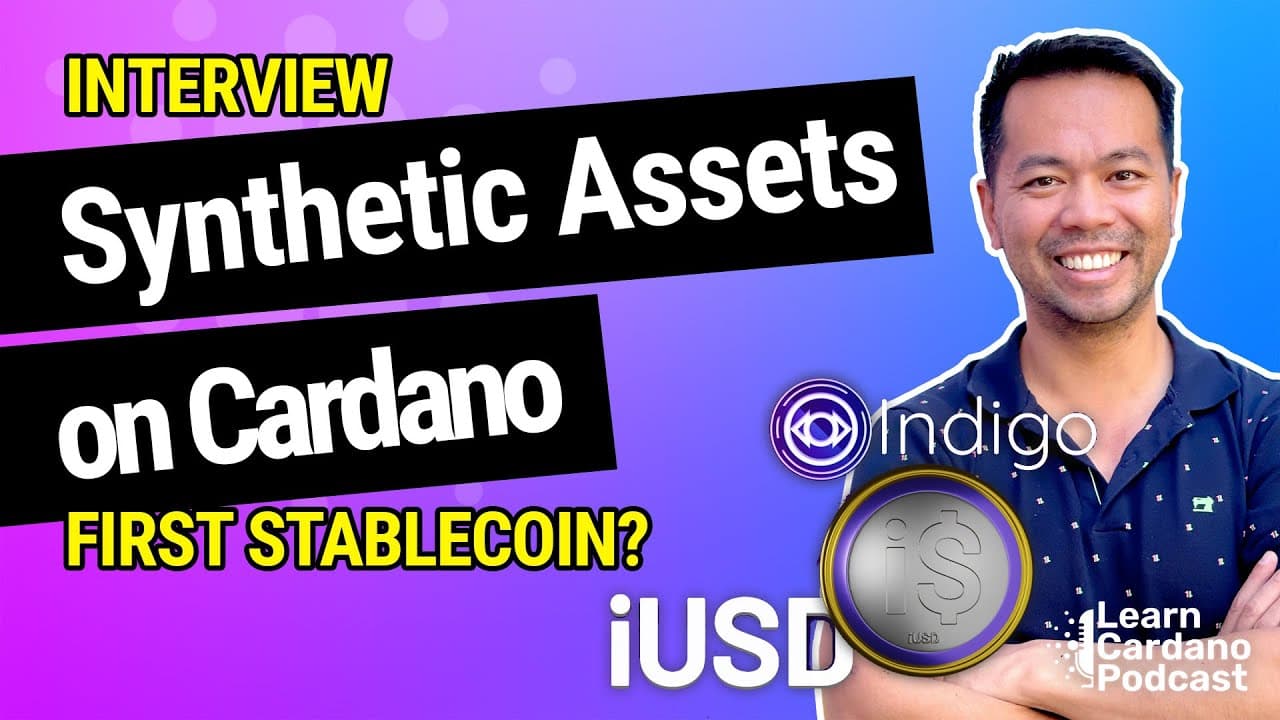
2022년 11월 14일, Eric Coley가 Cardano 블록체인에 대한 계획된 배포 전에 Indigo Protocol에 대해 논의하는 Learn Cardano YouTube 채널에서 인터뷰가 초연되었습니다. 이 녹음은 기본 자산의 소유권을 부여하지 않고 디지털 및 실제 자산의 가격 변동을 추적하도록 설계된 온체인 토큰인 iAsset이라고 하는 합성 자산을 발행하기 위한 시스템으로 프로토콜을 제시합니다.
인터뷰에서 설명된 메커니즘은 iETH 및 iBTC와 같은 합성 상품을 발행하기 위해 ADA를 담보로 사용하는 것을 포함합니다. 이 세션에서는 또한 합성 USD 스테이블코인인 iUSD를 프로토콜의 초기 자산 프레임워크의 일부로 참조합니다. 이러한 상품은 외부 블록체인에서 기능을 실행할 수 있는 기본 자산이 아닌 가격 추적 표현으로 묘사됩니다.
이 토론에서는 Coley가 설명한 거버넌스 모델을 간략하게 설명하며, 프로토콜이 프로토콜 수준 결정, 재무 감독 및 자산 목록 프로세스를 담당하는 탈중앙화 자율 조직에서 운영되도록 구성되었다고 나타냅니다. 또한 초기 토큰 가격 발견 및 배포를 위한 제안된 방법으로 유동성 부트스트래핑 이벤트의 사용을 설명합니다.
인터뷰에 제시된 추가 요소에는 기능 테스트를 위한 공개 테스트넷 환경 사용, 출시 전에 외부 보안 감사 완료 및 단일 스테이크 풀 운영자에게 토큰을 부분적으로 배포하려는 명시된 의도가 포함됩니다. 이 콘텐츠는 Coley가 녹음에서 설명한 대로 Cardano 생태계 내에서 디지털 및 실제 자산의 합성 표현을 만드는 데 중점을 둔 프로토콜의 명시된 설계 범위를 문서화합니다. [6]
잘못된 내용이 있나요?

평균 평점
아직 평가가 없습니다
경험은 어땠나요?
빠른 평가를 해서 우리에게 알려주세요!
편집자
December 9, 2025. 16:50 UTC
편집 요약:
Removed Eric Coley page content