0% read
Last updated:
Freedom Dollar (fUSD)
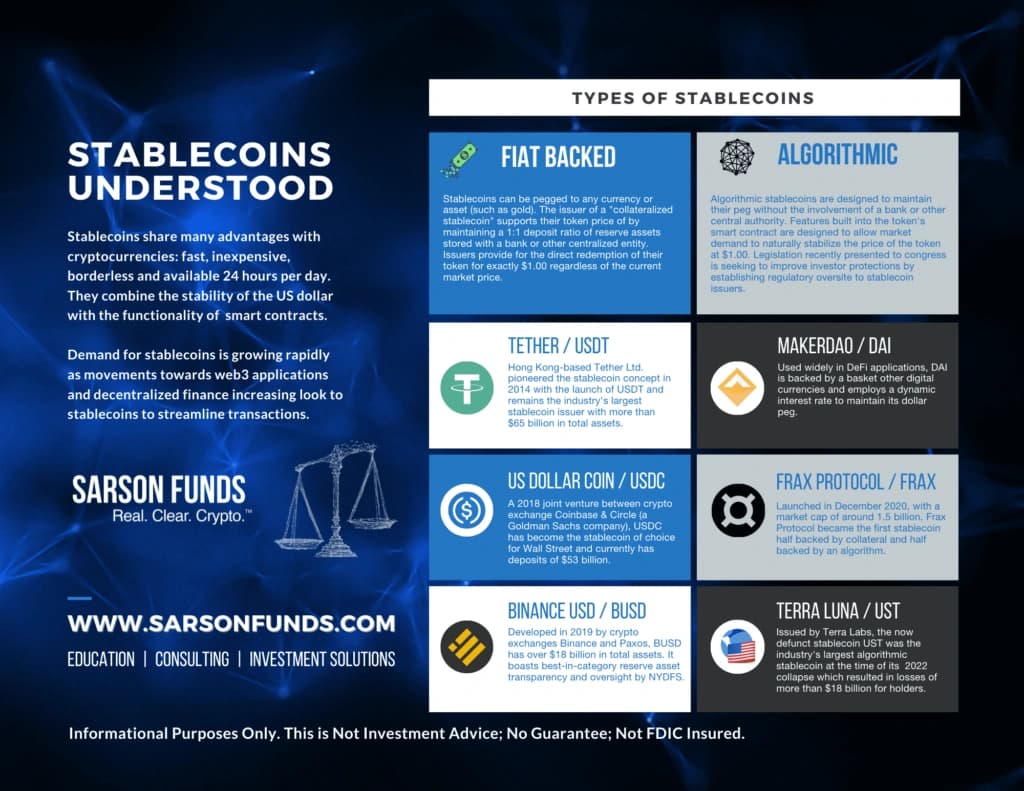
Freedom Dollar (fUSD) is a decentralized, over-collateralized stablecoin built on the Zano blockchain, designed to maintain a 1:1 value peg with the U.S. dollar. The protocol emphasizes transactional privacy and censorship resistance, operating without a central issuer or the ability to freeze user assets. It functions through a system of on-chain collateralization, using ZANO tokens, and employs algorithmic market-making bots to sustain its price stability. [1]
Compare Cryptoassets
Select an asset to compare its price and other stats against Freedom Dollar (fUSD).
 ?
?Ecosystem map
Explore the wikis Freedom Dollar (fUSD) is connected to and their relationships on the map.
Overview
Freedom Dollar (fUSD) was developed as a decentralized alternative to centrally managed stablecoins like Tether (USDT). Its core purpose is to provide a stable, USD-pegged digital currency that integrates privacy features by default, offering a medium for payments, trading, and decentralized finance (DeFi) that is resistant to control and surveillance. The project operates on a "decentralized code beats corporate promises" philosophy, eliminating single points of failure by forgoing a central company, CEO, or headquarters. Instead, it relies on open-source, semi-autonomous code running on the Zano blockchain.
As an asset on the Zano network, fUSD inherits the blockchain's privacy technologies, which include ring signatures, stealth addresses, and confidential transactions. This architecture ensures that transaction details, such as sender, receiver, and amount, are obscured from public view. The project's stability is maintained through a combination of over-collateralization with ZANO tokens held in a public reserve and algorithmic market-making bots that manage its price on the Zano decentralized exchange (DEX). The system's design aims to provide a reliable digital dollar, particularly for users in regions with limited access to stable financial infrastructure or those concerned with financial privacy. [2] [3] [7]
Features
fUSD is a blockchain-based stablecoin designed to maintain a consistent $1 value through collateralized mechanisms that support its 1:1 dollar peg. Its transactions settle directly on-chain, giving users faster, cheaper, and more transparent transfers than traditional banking systems. Because its value remains steady, fUSD is commonly used across decentralized finance for lending, borrowing, staking, and liquidity, while also serving as a practical option for everyday payments and cross-border transactions. Its accessibility through any crypto wallet and the ability to audit its backing make it useful for users who need reliable digital dollars, particularly in regions with limited access to stable fiat infrastructure. [2] [4]
Tokenomics
fUSD is built to maintain a value close to one USD while keeping all activity private through Zano’s default confidentiality features, including ring signatures, stealth addresses, and hidden transaction amounts. It functions without a company or central controller, instead relying on transparent, open-source code running on the Zano blockchain. Each fUSD is backed by an overcollateralized pool of ZANO stored in a publicly viewable reserve wallet. New fUSD enters circulation only when more ZANO is locked in this reserve, which continues to grow through staking rewards and small profits generated by market-making bots. Peg stability is sustained through decentralized bots on the Zano DEX that place buy and sell orders around the one-dollar mark: buy orders help lift the price when it falls, and sell orders release additional supply when it rises. This market-based process keeps fUSD aligned with its target value without centralized intervention. [2] [5]
See something wrong?

Average Rating
No ratings yet, be the first to rate!
How was your experience?
Give this wiki a quick rating to let us know!
fusdUSD
Price
$0.999739
0.01%
Market Cap
$11,996,506.00
0.02%
Diluted Market Cap
$11,996,506.00
0.02%
Volume
$157,708.00
0.00%
Edited By
On December 21, 2025. 18:37 UTC
Edit summary:
Updated event formatting and added new fields