Subscribe to wiki
Share wiki
Bookmark
Justin Waldron
The Agent Tokenization Platform (ATP):Build autonomous agents with the Agent Development Kit (ADK)
0%
Justin Waldron
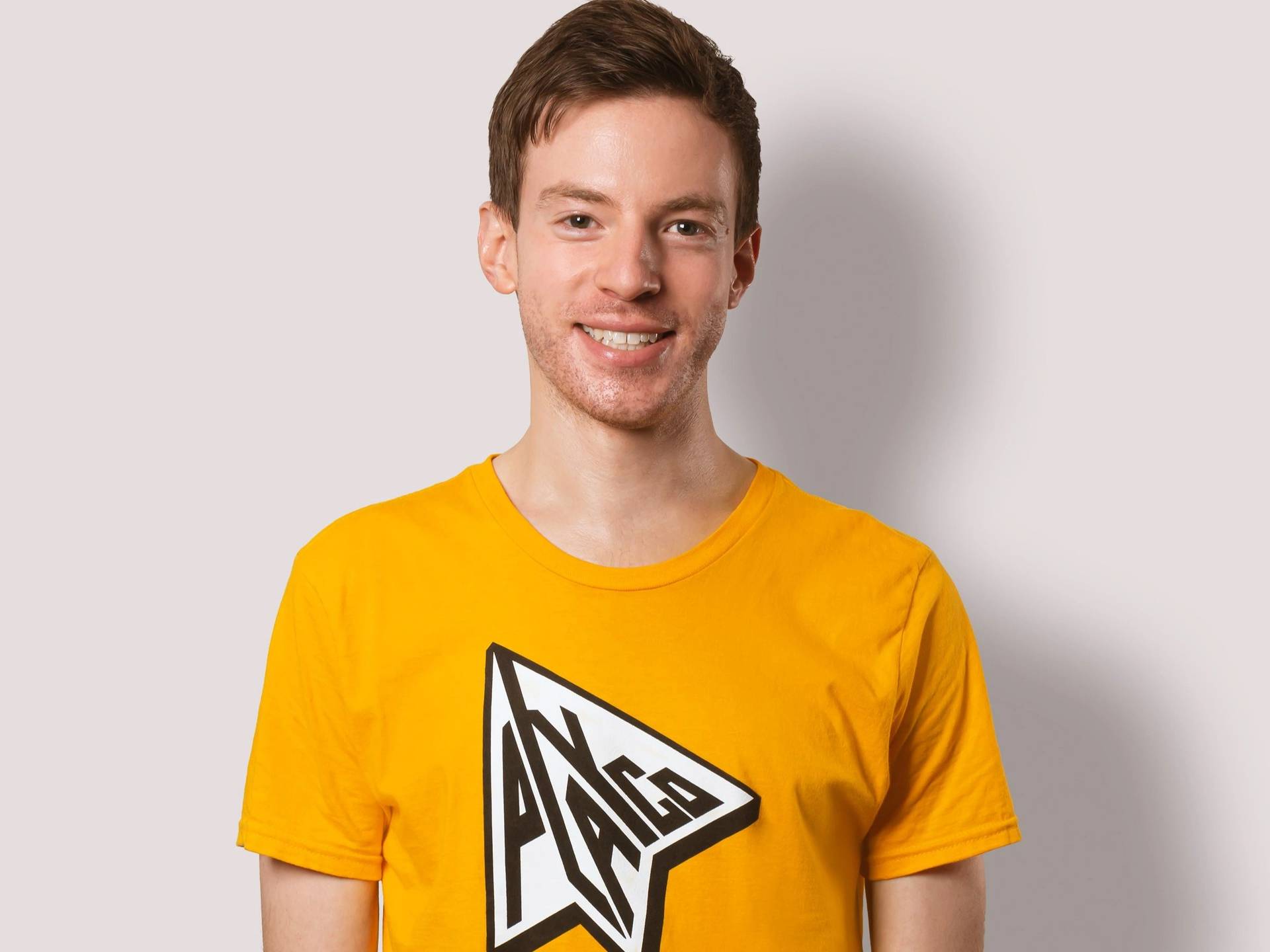
Justin Waldron is a technology entrepreneur and investor, primarily known as a co-founder of the social gaming company Zynga and the instant gaming company Playco. He is also the founder and CEO of play.fun, a platform that enables real rewards in games. Waldron is a prolific angel investor, an advisor to Shibuya Startup Support, and a partner at X&KSK, which invests in Japanese startups. [3] [7]
Career
Waldron began his career in the technology industry at the age of 19 when he co-founded the social gaming company Zynga in 2007. He was involved in product development and contributed to the company's significant growth on the Facebook platform, helping to pioneer the "freemium" business model. During his tenure, Zynga launched several successful titles, including Zynga Poker and Farmville, which established the company as a leader in the social gaming space. Waldron was part of the leadership team that guided Zynga through its Initial Public Offering (IPO) on the NASDAQ in 2011. He reflected on the company's journey, noting the initial advantages of leveraging Facebook's social graph for user acquisition and engagement, as well as the significant challenges the company faced during the industry-wide transition from web-based games to mobile platforms. This shift fragmented user interactions and required a fundamental change in business strategy. [8]
Following his work at Zynga, Waldron became an active investor and advisor within the startup ecosystem. As a prolific angel investor in over 60 companies, he was named one of Business Insider's Top 100 Seed Investors in 2021. In 2020, he co-founded Playco, an instant gaming company based in Tokyo, where he serves as President. At Playco, he has focused on developing games for "instant formats," which are accessed directly via a link. His focus later shifted toward the emerging Web3 sector, and he is now the founder and CEO of play.fun. This venture evolved from his work on the Open Game Protocol, which aims to shift user acquisition spending from large advertising platforms directly to players by using tokens and crypto wallets to reward engagement. In addition to his primary ventures, Waldron serves as an advisor for the Shibuya City Office's Shibuya Startup Support initiative and is a partner at X&KSK, a firm investing in Japanese startups with global potential. [6] [7] [8]
Interviews
Open Game Protocol
At Accelerate in May 2025, Kuleen Nimkar from the Solana Foundation led a fireside chat with Waldron, discussing the challenges and potential solutions for Web3 gaming. They emphasized that a significant barrier for game developers was the complex ecosystem of crypto that made it difficult for them to enter and succeed in Web3. Waldron noted that traditional marketing and distribution methods strained the ability of developers to find users for their games, often leading to misleading advertising practices. They argued for a shift in focus towards enhancing distribution mechanisms rather than just monetization, suggesting that rewarding users could improve advocacy for games. The conversation concluded with Waldron hinting at Open Game Protocol's upcoming developments intended to facilitate collaboration between game developers and existing token communities within the Solana ecosystem, while also addressing the need for easier integration of crypto elements into game design without overwhelming developers. [4]
Crypto Utility
In a discussion about the future of cryptocurrency on White Crypto in June 2025, Waldron expressed his belief in Bitcoin’s inevitability to reach $200K and its potential to serve as a global medium of exchange. He emphasized the role of blockchain in transforming the business models of games, highlighting the distribution challenges that game developers face. Waldron shared his journey from a young game developer to his involvement in crypto, noting his early investments and experiences with platforms like Ethereum and Bitcoin. He elaborated on creating the Open Gaming Protocol to facilitate game development and integration with cryptocurrency, aiming to simplify the process for developers unfamiliar with blockchain technology. Despite past experiences of losses in crypto investments, he maintained a long-term vision for Bitcoin and the potential for innovation in blockchain gaming. Waldron also commented on the evolving nature of game content, driven by AI advancements and user demand for personalized experiences. Overall, he maintained an optimistic outlook on the future of both crypto and gaming, seeing them as interconnected and increasingly significant in the digital landscape. [2]
Founder Market Fit
In a discussion on "Founder Market Fit" during the Crypto Builders Bootcamp in January 2024, Waldron and Keone Hon, CEO of Monad, shared their journeys and insights into building in the blockchain and gaming sectors. Waldron recounted his early experiences in game development and emphasized the importance of identifying opportunities rather than predetermined solutions, suggesting that founders should understand their customer base and engage in direct feedback to refine their products. Hon highlighted his technical background from high-frequency trading and the significance of assembling a proficient team to navigate complex challenges in creating a high-performance blockchain. Together, they discussed the delicate balance between intrinsic and extrinsic motivations for users, the potential for innovative pivots in startups, and the critical need for founders to be adaptable and responsive to emerging opportunities in the evolving crypto landscape. [5]
Zynga
On the Secret Stash podcast in August 2024, Waldron shared his journey in the gaming industry, highlighting the rise of Zynga from a small startup to a billion-dollar company. He co-founded Zynga at age 19 in 2007, initially focusing on social gaming on Facebook. The company's first success came with Zynga Poker, which quickly monetized through ad revenue and introduced social interaction features that engaged users. As the company expanded, it moved into different genres, including Farmville, which became hugely popular. Waldron discussed both the advantages and challenges Zynga faced with its business model, particularly during its transition from web to mobile gaming, as user behavior shifted. He emphasized that while Zynga benefited from Facebook's social features initially, the move to mobile led to fragmentation in gaming interactions. As Zygna navigated these changes and competition, Waldron reflected on the lessons learned regarding product development, user engagement, and the gaming ecosystem's evolution. [1]
Panels
NFTs and Gaming
During a panel discussion at KBW in October 2023, panelists shared insights on the intersection of NFTs, gaming, and enterprise adoption. Alejandro Navia (NFT Now) moderated the panel, and the speakers included Waldron and Robbie Ferguson (Immutable). Ferguson reflected on his journey since 2014, highlighting the significant advancements and challenges faced in Web3 gaming, particularly regarding economic models and player ownership of digital assets. Waldron discussed the importance of innovative business models and how they compare to traditional gaming. Both emphasized the existing tension between conventional closed gaming systems and the rise of blockchain technology, addressing concerns about sustainability, creator royalties, and the economic implications of these shifts. They acknowledged the complexities of maintaining player privacy in an inherently public blockchain landscape while underscoring the need for exciting, user-driven gaming experiences as the foundation for future growth in the Web3 domain. The conversation concluded with advice for aspiring entrepreneurs focused on balancing immediate actions with long-term visions in a rapidly evolving industry. [9]
See something wrong?
The Agent Tokenization Platform (ATP):Build autonomous agents with the Agent Development Kit (ADK)