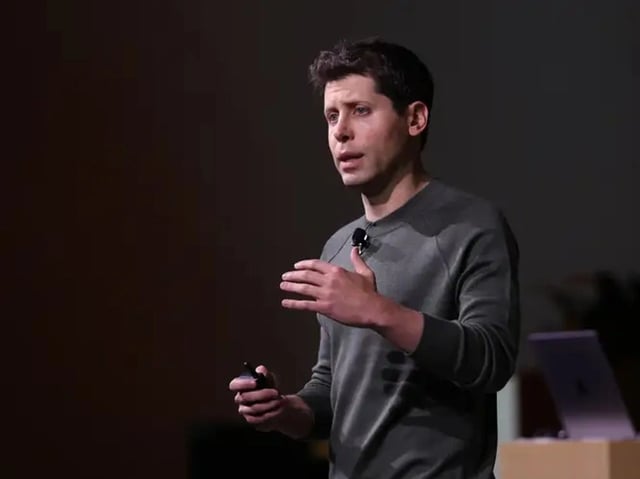
Matthew Wang
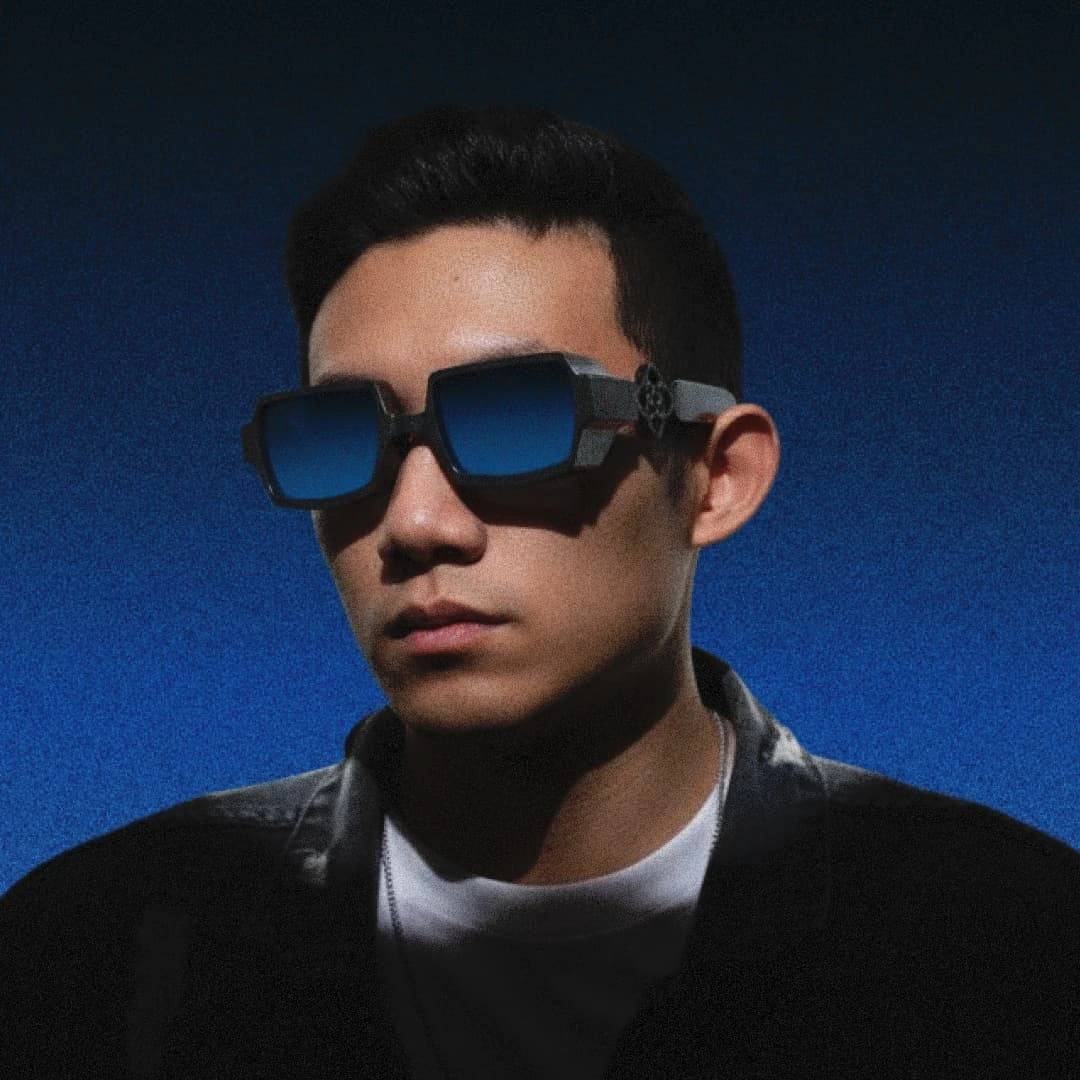
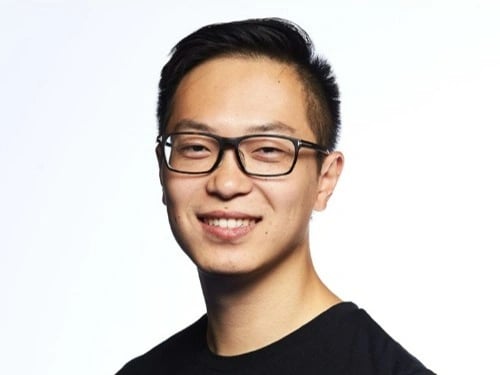
Matthew Wang은 AI 모델 호스팅 및 머신 러닝을 Web3 애플리케이션과 통합하기 위한 분산형 인프라에 중점을 둔 플랫폼인 OpenGradient의 공동 창립자입니다. 그는 연구 엔지니어링, 계량 모델링, 금융 및 블록체인 기술을 위한 AI 개발 분야에서 경력을 쌓았습니다. [4]
교육
Wang은 Northwestern University에서 전기 및 컴퓨터 공학 학위를 받았습니다. [2]
경력
Wang은 2018년 NASA에서 소프트웨어 엔지니어링 인턴으로 경력을 시작하여 예비 위험 데이터 분석 및 모델링 작업을 수행했습니다. 2019년 초에는 Meta에서 소프트웨어 엔지니어링 인턴으로 근무하며 Instagram 및 Messenger의 메시징 휴리스틱 인프라에 기여했습니다. 2019년 후반에는 Google에 머신 러닝 엔지니어링 인턴으로 합류하여 Google Ads 트래픽 예측기를 위한 AI 모델링 인프라 작업을 수행했습니다. 2020년부터 2024년까지 Wang은 Two Sigma에서 연구 엔지니어로 근무하며 주식 옵션 시장 조성 연구를 수행했습니다. 2024년에는 OpenGradient를 설립하고 CEO로 재직하면서 인공 지능과 블록체인 컴퓨팅의 교차점에 대한 연구에 중점을 둔 연구소를 이끌었습니다. [1] [2]
인터뷰
NEAR Office Hours
2024년 12월 NEAR Protocol과의 인터뷰에서 Wang은 OpenGradient 개발과 AI 모델 호스팅, 추론 실행 및 애플리케이션 배포를 위한 분산형 인프라 지원 목표에 대해 논의했습니다. 그는 중앙 집중식 AI 모델 저장소에 대한 대안 역할을 하는 분산형 모델 허브를 포함하여 머신 러닝을 Web3 애플리케이션에 통합하는 플랫폼의 풀 스택 접근 방식을 설명했습니다. Wang은 트랜잭션과 AI 추론을 효율적으로 처리하기 위해 특수 노드에 의존하는 기본 블록체인 아키텍처를 설명하고 계산 무결성을 보장하기 위해 신뢰할 수 있는 실행 환경과 암호화 증명 메커니즘을 사용하여 추론 요청이 어떻게 검증되는지 설명했습니다. 그는 또한 탈중앙화 금융 및 온체인 평판 시스템과 같은 영역의 사용 사례를 언급했습니다. 그는 지속적인 인프라 개발 및 연구를 통해 Web3에서 AI 채택을 확대하기 위한 장기적인 목표를 설명했습니다. [6]
프레젠테이션
적응형 AI 에이전트
2025년 3월 ETHDenver에서 열린 프레젠테이션에서 Wang은 지능형 적응형 AI 에이전트 개발에 대해 논의했습니다. 그는 정보를 합성하는 에이전트에서 사용자를 대신하여 작업을 실행하는 에이전트, 궁극적으로 복잡한 작업을 자율적으로 관리할 수 있는 시스템으로의 진행 과정을 설명했습니다. 그는 AI 에이전트의 현재 제한 사항, 특히 복잡한 금융 및 위험 관련 질문에 대한 자세한 분석을 생성하는 데 어려움이 있음을 확인했습니다. 그는 데이터 액세스, 계산 워크플로 및 에이전트 간의 상호 운용성의 주요 과제를 설명했습니다. Wang은 OpenGradient의 인프라가 추론 및 보안 데이터 파이프라인을 위한 특수 노드를 지원하는 풀 스택 온체인 접근 방식을 통해 이러한 제약 조건을 해결하도록 설계된 방법을 설명했습니다. 그는 또한 예측 시장 및 탈중앙화 금융의 초기 사용 사례를 언급하고 실시간 분석 기능을 시연했으며 Web3 애플리케이션을 위한 머신 러닝 모델 배포를 지원하기 위한 모델 허브를 소개했습니다. [8]
패널
AI Meets Web3
2025년 1월 Taipei Blockchain Week에서 Wang은 Iagent Protocol의 Ryuk, Aethir의 Mark Rydon, Chainbase의 Luki Song과 함께 AI 및 Web3의 개발에 대해 논의하는 패널에 참여했습니다. Wang은 OpenGradient를 AI 모델 호스팅을 위한 분산형 플랫폼으로 설명하면서 개발자를 위한 안전한 통합과 Hugging Face와 같은 기존 플랫폼과 달리 블록체인의 검증 가능한 워크플로를 강조했습니다. 패널은 각 조직의 역할, 즉 게임을 위한 시각 학습 인프라에 중점을 둔 Iagent, 분산형 GPU 서비스를 제공하는 Aethir, 안전한 AI/ML 개발을 지원하는 OpenGradient를 다루었습니다. 논의에는 대상 청중, Web3에 진입하는 Web2 사용자를 위한 온보딩 과제, 게임에서 데이터 규정 준수 및 수익 창출에 대한 접근 방식, 오픈 소스 AI 모델의 이점이 포함되었습니다. 패널은 게임, 포트폴리오 관리 및 고급 시각 학습의 애플리케이션을 포함하여 AI 에이전트의 더 넓은 잠재력에 대한 성찰로 결론지었습니다. [5]
Future of Compute
2024년 11월 Open AGI Summit에서 Wang은 Nick Emmons, Prashant Maurya, Jeremy Hazan, Mikhail Avady와 함께 Brandon Potts가 진행하는 중앙 집중식 컴퓨팅 아키텍처와 분산형 컴퓨팅 아키텍처에 대해 논의하는 패널에 참여했습니다. 패널리스트는 분산형 GPU 네트워크에서 컴퓨팅 리소스에 대한 액세스를 확대하도록 설계된 AI 인프라에 이르기까지 각자의 프로젝트를 발표했습니다. 그들은 성능, 개인 정보 보호 및 비용을 포함한 사용자 요구 사항이 아키텍처 선택을 안내해야 한다고 강조했습니다. 그들은 중앙 집중식 시스템이 일반적으로 우수한 성능을 제공한다고 언급했습니다. 동시에 분산형 솔루션은 비용 효율성과 검열에 대한 저항을 제공하지만 안정성 및 사용성 문제가 일부 사용자가 기존 클라우드 서비스로 되돌아가게 했다는 점을 인정했습니다. 논의는 검증 메커니즘 및 개인 정보 보호 강화 도구와 같은 새로운 기술이 분산형 컴퓨팅의 광범위한 채택을 주도한다는 낙관적인 분위기로 끝났습니다. [9]
New Era for AI
2024년 11월 Wang은 NEAR Protocol의 REDACTED 컨퍼런스에서 Aethir의 Mark Rydon, Gaib의 Mathilda Sun, NEAR의 Cameron Dennis와 함께 분산형 컴퓨팅의 미래에 초점을 맞춘 패널에 참여했습니다. Wang은 계량 모델링에서 분산형 시스템으로의 전환에 대해 논의하면서 GPU, TEE 및 CPU에 대한 단계적 가격 모델을 포함하여 컴퓨팅을 호스팅하고 애플리케이션에 통합하기 위한 즉시 사용 가능한 솔루션을 제공하려는 OpenGradient의 노력을 강조했습니다. 패널은 또한 GPU 지원 자산을 위한 Gaib의 금융 계층과 AI 및 게임을 위한 Aethir의 엔터프라이즈급 분산형 GPU 인프라를 포함하여 다른 참가자의 역할과 대기 시간 및 서비스 안정성에 대한 커뮤니티의 우려 사항을 다루었습니다. Wang은 자동화된 마켓 메이커 거래 수수료 최적화 및 대출 프로토콜 위험 모델과 같은 실제 애플리케이션의 예를 제공하고 분산형 컴퓨팅에 영향을 미치는 규제 고려 사항을 다루었습니다. 그는 허가 없는 컴퓨팅을 활용하여 복잡한 머신 러닝 기반 작업을 수행하는 자율 에이전트의 잠재력에 대한 통찰력으로 결론지었습니다. [7]