Ori Kwan
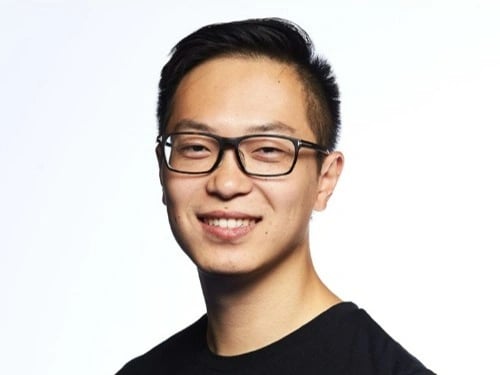
**오리 콴(Ori Kwan)**은 프론트엔드 엔지니어링, 사용자 경험(UX) 디자인 및 기술 기업 컨설팅 분야의 경험을 갖춘 제품 및 디자인 중심의 전문가입니다. 그녀는 이후 Orca를 공동 창립하여 Solana 생태계 내에서 제품 개발, 사용자 인터페이스 디자인 및 조직 성장을 위해 일해 왔습니다. [4]
학력
콴은 스탠퍼드 대학교에서 컴퓨터공학 학사 및 석사 학위를 취득하며 졸업했습니다. [7]
경력
콴은 2011년 True Run Media에서 디지털 미디어 인턴십을 시작으로 기술 및 교육 분야에서 초기 경력을 쌓았으며, 2012년에는 Google에서 소프트웨어 엔지니어링 인턴으로 근무하며 Chrome 확장 프로그램 프로토타입을 개발했습니다. 스탠퍼드 대학교 재학 시절에는 프로그래밍 입문 과정의 섹션 리더를 맡고 인간-컴퓨터 상호작용(HCI) 교육을 보조하는 등 교육 및 지원 역할을 수행했습니다. 또한 2013년 Coursera에서 프론트엔드 엔지니어링 인턴십을 마친 후, 2014년부터 2016년까지 정규직 프론트엔드 엔지니어로 복귀하여 코스 내비게이션, 저작 도구 및 사용자용 학습 기능을 담당했습니다. 2016년부터 2018년까지는 Button, Inc.에서 시니어 UX 엔지니어 및 디자인 리드로 근무하며 프론트엔드 개발과 내부 디자인 시스템 구축에 기여했습니다. 이후 2019년 IDEO에 인터랙션 디자이너로 합류하여 모빌리티, 금융 도구, 소비자 기술 분야의 아시아 전역 컨설팅 프로젝트를 수행했습니다.
2020년, 콴은 Solana 블록체인 기반의 탈중앙화 거래소인 Orca를 공동 창립했으며, 그곳에서 제품 개발, 디자인 및 조직 성장을 아우르는 업무를 수행해 왔습니다. 그녀의 책임 영역에는 사용자 경험 디자인, 프론트엔드 개발, 제품 관리뿐만 아니라 자금 조달 및 팀 구축과 같은 광범위한 운영 기능이 포함되었습니다. 그녀의 재임 기간 동안 프로토콜은 소규모 창립 팀에서 더 큰 기여자 기반으로 확장되었으며 상당한 거래량을 처리했습니다. [7]
인터뷰
인간을 위한 크립토 (Crypto for Humans)
2023년 5월 Solana와의 인터뷰에서 콴은 Web3에서 의도적인 디자인의 중요성에 대해 논의했습니다. 컴퓨터공학 및 인간-컴퓨터 상호작용 배경을 가진 콴은 역사적으로 사용자 경험보다 기술적 기량에 더 집중해 온 크립토 분야에서 좋은 UX와 UI가 종종 간과되어 왔음을 강조했습니다. 그녀는 속도 제한 및 데이터 지속성과 같은 복잡한 블록체인 제약 조건이 투박한 디자인의 원인이 되었다고 설명했습니다. 그럼에도 불구하고 그녀는 더 넓은 채택을 위해서는 초기 단계부터 디자인을 통합하는 것이 중요하다고 믿었습니다. 콴의 접근 방식은 사용자의 니즈와 가치에서 시작하여 이를 소비자, 전문가, 개발자용 SDK 등 다양한 제품 계층에 걸쳐 직관적인 인터페이스로 변환하는 동시에 투명성, 신뢰성 및 안정성을 우선시하는 것이었습니다. 그녀는 성공적인 크립토 제품에는 일관된 기술적 견고함, 거래 중 명확한 커뮤니케이션, 그리고 기존 사용자와 잠재적인 새로운 청중 모두의 피드백을 균형 있게 수용하는 겸손함이 필요하다고 강조했습니다. 마지막으로 콴은 사용자 중심성을 보장하기 위해 크립토 팀 내에서 디자이너를 리더십 역할로 격상시켜야 한다고 주장하며, 기술에만 의존하는 것은 성공을 보장하지 않으며 신뢰는 믿을 수 있고 접근 가능하며 잘 설계된 경험을 통해 구축되어야 한다고 경고했습니다. [1]
Solana DEX
2022년 6월 Ashton Addison과의 인터뷰에서 콴은 Solana 블록체인의 선도적인 탈중앙화 거래소(DEX)인 Orca의 개발과 비전에 대해 논의하며 사용자 친화성과 단순성을 강조했습니다. 그녀는 Orca가 Ethereum Foundation에서의 경험을 가진 공동 창립자와 엔지니어링 및 디자인 배경을 가진 그녀 사이의 유기적인 연결에서 시작되었으며, 일반 사용자를 위해 확장 가능하면서도 접근하기 쉬운 거래 플랫폼을 만드는 것을 목표로 했다고 밝혔습니다. 2021년 2월에 출시된 Orca는 생태계 성장을 지원하기 위한 기초적인 유동성 계층을 제공하는 데 집중하며 Solana에서 거래량 상위권의 DEX로 빠르게 성장했습니다. 팀은 탈중앙화와 품질 관리의 균형을 맞추면서 더 넓은 토큰 지원을 가능하게 하기 위해 커뮤니티 리스팅을 구현할 계획이었습니다. 그들은 인터페이스를 단순하면서도 기능적으로 유지하는 것을 우선시하여 집중화된 유동성 풀(liquidity pools) 및 유동성 공급 도구와 같은 기능을 제공하는 한편, 생태계 구축을 촉진하기 위한 개발자 보조금도 지원했습니다. 콴은 유동성 위험 해결의 중요성을 인정하고 스테이킹(staking)과 같이 위험이 적은 참여 옵션을 개발할 의사를 표명했습니다. 장기적인 야망으로는 커뮤니티 주도의 거버넌스 이니셔티브를 통해 Orca의 거버넌스 토큰인 ORCA의 유틸리티를 확장하고, 핵심 프로토콜을 지속적으로 개선하여 Solana에서 가장 효과적인 유동성 계층이 되는 것을 포함했습니다. 팀은 트위터와 디스코드를 통해 커뮤니티와 활발히 소통하며 프로토콜 개발을 위한 빌더 보조금 프로그램을 홍보하는 동시에, Orca의 미래 성장과 Solana DeFi 생태계에서의 역할에 대해 낙관적인 전망을 유지했습니다. [2]
Orca와 DeFi
2022년 10월 Cryptonews 팟캐스트에서 프로그래머, 디자이너, 일러스트레이터이자 Orca의 공동 창립자인 콴은 자신의 다양한 배경과 크립토 분야로의 전환에 대해 논의했습니다. 그녀는 인간 중심의 인터페이스를 만드는 작업과 사용자 경험, 테스트 및 커뮤니티 지원을 강조하는 자신의 디자인 접근 방식을 강조했습니다. 콴은 단순하고 우아한 DeFi 도구를 구축하려는 목표와 일치하는 Solana의 에너지 효율성과 확장성을 발견한 후, 코로나19 팬데믹 기간 동안 공동 창립자와 함께 어떻게 크립토 분야에 뛰어들게 되었는지 공유했습니다. 그녀의 리더십 아래 Orca는 개발자 친화성과 낮은 복잡성의 인터페이스를 우선시하고 기후 기금과 같은 이니셔티브를 통해 환경 의식을 통합함으로써 선도적인 Solana 기반 마켓플레이스가 되는 것을 목표로 했습니다. 그녀는 곧 출시될 스마트 라우터를 통해 여러 유동성 풀에 걸쳐 거래를 라우팅하는 것과 같은 확장 가능한 인프라 구축에 대한 집중을 설명하고, 생태계 내에서 인간 관계의 중요성을 강조했습니다. 또한 콴은 투명성과 블록체인 기반 소유권에 뿌리를 둔 디지털 가이드 및 자산 소유권과 같은 실제 응용 사례를 구상하며 투기를 넘어선 NFT의 변혁적 잠재력에 대한 믿음을 표명했습니다. 전반적으로 그녀는 디자인, 지속 가능성 및 Web3의 혁신적인 애플리케이션을 통해 가치를 창출하겠다는 의지를 강조하며, 의미 있는 영향력은 종종 사용자 경험과 환경적 책임을 우선시하는 것에서 시작된다고 역설했습니다. [5]
Solana AMM
2023년 4월 Logan Jastremski가 진행하는 Frictionless 팟캐스트 인터뷰에서 콴과 유타로 모리(Yutaro Mori)는 자신들의 배경과 Ethereum 대신 Solana에서 구축하기로 선택한 이유를 논의했습니다. 모리는 Ethereum 관련 프로젝트와 탈중앙화 금융 분야에서 일한 경험을 설명하며, Solana의 높은 처리량과 낮은 지연 시간이 Ethereum의 확장 방식과 비교하여 다른 기술적 절충을 가능하게 했다고 언급했습니다. 콴은 단순화된 사용자 인터페이스를 통해 탈중앙화 금융 도구를 더 쉽게 접근할 수 있도록 만드는 디자인 중심의 접근 방식을 강조했습니다. 그들은 Ethereum에서의 초기 실험을 통해 사용성 및 성능의 한계를 발견했으며, 이것이 Orca를 보다 사용자 중심적인 자동화된 마켓 메이커(AMM)로 개발하는 데 영향을 미쳤다고 설명했습니다. 또한 이 토론에서는 간헐적인 중단 및 안정성 문제와 같은 지속적인 우려 사항과 함께 Solana의 네트워크 개선 사항도 다루었습니다. 그들은 향상된 거래 인터페이스 및 도구에 대한 계획을 설명하는 동시에 사용자 교육 및 생태계 개발과 관련된 광범위한 이니셔티브에 대해서도 언급했습니다. [6]
발표
OPOS
11월에 열린 Solana Breakpoint 2023에서 콴과 유타로 모리는 Solana의 유동성 공급자(LP) 경험을 향상시키기 위해 설계된 포괄적인 대시보드인 Orca의 새로운 유동성 터미널(Liquidity Terminal)을 소개했습니다. 그들은 현재 많은 LP들이 비효율적인 시행착오 방식에 의존하고 있다고 설명하며, 의사 결정을 개선하기 위한 데이터 기반 도구의 중요성을 강조했습니다. 유동성 터미널은 컴퓨터 터미널에서 영감을 얻었으며 가격 차트, 수익률 찾기(yield finder), 수익 달성 시간 추정기(time-to-profit estimator)를 포함한 실시간 풀 분석 기능을 제공하여 LP가 과거 수익률, 수익성 및 최적 범위를 빠르고 정확하게 평가할 수 있도록 합니다. 그들은 플랫폼이 거래 데이터와 보상 방출을 추적하여 정확한 수익률을 계산함으로써 사용자가 더 스마트하고 정보에 입각한 선택을 할 수 있도록 한다고 강조했습니다. 더 쉬운 포지션 재조정 및 실시간 P&L 추적과 같은 기능이 향후 업데이트로 발표되었습니다. 창립자들은 사용자들이 QR 코드를 스캔하여 클로즈 베타에 참여하고 도구를 더욱 개선할 수 있도록 피드백을 제공해 줄 것을 요청했습니다. 전반적으로 Orca는 LP 효율성과 경험을 높이는 것을 목표로 하며, Solana의 탈중앙화 금융을 개선하겠다는 의지를 재확인했습니다. [3]