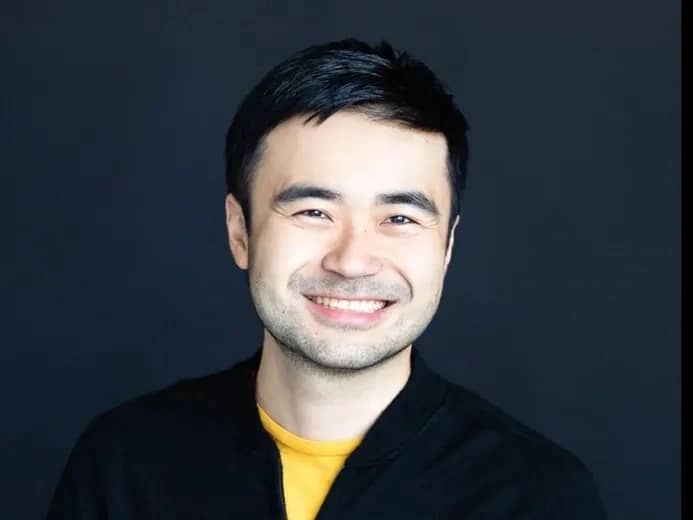
Sean Li
**션 리(Sean Li)**는 소프트웨어 엔지니어이자 기업가이며, 지갑 서비스형 인프라를 제공하고 AI 통합 암호화폐 도구를 개발하는 회사인 Magic Labs의 공동 창립자 겸 최고경영자(CEO)입니다. 또한 뉴턴 프로토콜도 개발합니다. [5] [7]
교육
Li는 워털루 대학교에서 소프트웨어 엔지니어링 학사 학위를 받았습니다. [1]
경력
Li는 2014년 Lightspeed Venture Partners에서 펠로우로 전문 경력을 시작했으며, 그곳에서 Kitematic이 될 초기 기반을 개발했습니다. 그해 말, 그는 Kitematic을 공동 창립하고 최고 제품 책임자가 되었습니다. 이 직책에서 그는 제품의 방향을 설정하고, 시장 전략을 수립하고, 전반적인 사용자 경험을 설계하는 책임을 맡았습니다. 이 회사의 초기 여정에는 액셀러레이터 Y Combinator로부터 거절당한 경험이 포함되어 있는데, Li는 이 경험을 멘토십과 사용자 피드백에 대한 팀의 의존도를 형성하는 데 도움이 된 중요한 학습 기회로 언급했습니다. 2014년 Docker Inc.가 Kitematic을 인수했고, Li는 Docker에서 제품 리드 역할로 전환했습니다. 2016년까지 재직하는 동안 그는 Docker의 데스크톱 및 엔터프라이즈 제품의 초기 버전에 기여했으며 Docker Desktop의 공동 제작자였습니다. 그는 또한 회사의 디자인 기능을 확립하는 데 중요한 역할을 했습니다.
2018년, 이더리움 생태계 내의 복잡하고 단편화된 온보딩 경험을 관찰한 Li는 Jaemin Jin과 함께 Magic Labs(원래 Magic)를 공동 창립하고 CEO가 되었습니다. 이후 그는 개발자를 위한 인증 및 비수탁 지갑 인프라를 구축하기 위한 회사의 노력을 이끌었습니다. 2020년부터 Li는 Copy.ai, Ollama, Syndicate Labs와 같은 초기 단계 기술 회사를 지원하는 적극적인 엔젤 투자자이기도 합니다. [1] [4]
인터뷰
Magic Labs 다큐멘터리
2025년 9월 EO Studios와의 다큐멘터리 인터뷰에서 Li와 Jaemin Jin은 그들의 작업과 Magic Labs의 개발을 형성한 경험에 대해 논의했습니다. 그들은 Apple에서의 시간의 영향을 받아 세부 사항과 장인 정신에 대한 Li의 초기 집중을 설명하고, 소프트웨어, 재즈, 초기 단계 스타트업 및 이더리움에 대한 두 창립자의 배경을 설명했습니다. 그들은 Kitematic 구축, Y Combinator 거절과 같은 좌절 극복, 멘토십과 사용자 피드백을 통한 학습에 대해 회상했습니다. 이러한 경험은 이더리움의 단편화된 온보딩 경험에 대한 그들의 관점에 영향을 미쳤고, 이는 Magic Labs를 설립한 중심적인 이유가 되었습니다.
인터뷰 동안 그들은 또한 수천만 개의 지갑 온보딩, 시장 수요를 충족하기 위한 비수탁 키 관리 시스템 개발, 다양한 기업과의 협력을 포함하여 Magic Labs의 성장을 추적했습니다. 그들은 제품 개발 접근 방식을 빠른 반복과 세부 사항에 대한 주의의 균형을 맞추는 것으로 설명했습니다. 그들은 핵심 인프라 문제에 대한 집중이 시장 주기를 통해 방향을 유지하는 데 도움이 되어 투자와 파트너십을 확보하는 데 도움이 되었다고 언급했습니다. 그들은 AI 에이전트가 백그라운드에서 원활하게 작업을 처리하여 사용자에게 보이지 않는 기술에 대한 비전을 설명하면서 결론을 내렸습니다. [3]
애플리케이션 및 아이덴티티의 미래
2025년 7월 EigenCloud와의 인터뷰에서 EigenLabs의 Nima Vaziri 및 EigenLayer의 Sreeram Kannan과 함께 Li는 소프트웨어 및 암호화폐 분야에서의 자신의 배경에 대해 논의하면서 온보딩의 복잡성으로 인해 보다 접근하기 쉬운 도구를 구축하게 된 과정을 설명했습니다. 그는 스테이블코인 및 탈중앙화 금융과 같은 개발에 의해 형성된 사회 조정 시스템의 지속적인 업그레이드의 일부로 암호화폐에 대한 더 넓은 관점을 제시했습니다. 이 대화에서는 이러한 경험이 Magic 생성에 어떻게 영향을 미쳤는지도 다루면서 생태계가 확장됨에 따라 더 간단한 진입점이 필요함을 강조했습니다.
인터뷰에서는 AI의 역할 증가를 탐구하면서 신뢰, 검증 가능성, 지능형 시스템의 변화하는 책임에 초점을 맞췄습니다. Li와 다른 연사들은 다양한 종류의 에이전트를 설명하고 에이전트가 사용자를 대신하여 행동할 때 신뢰할 수 있는 행동을 보장하는 투명한 메커니즘의 필요성을 강조했습니다. 그들은 또한 AI 에이전트가 암호화폐와 원활하게 상호 작용할 수 있도록 하는 도구를 설계하는 것이 중요하다고 지적했습니다. 토론은 장기적인 목적을 가진 제품을 구축하는 것에 대한 성찰로 마무리되었으며, 과대 광고가 관심을 가속화할 수 있지만 지속 가능한 발전은 진화하는 추세 속에서 핵심 원칙에 집중해야 한다고 언급했습니다. [6]
AI의 신뢰 문제
2025년 5월 The Rollup 팟캐스트 인터뷰에서 Li는 AI에 대한 의존도가 높아지고 사용자가 여전히 금융 애플리케이션에 대해 느끼는 망설임에 대해 논의하면서 사람들이 엔드 투 엔드 AI 경험을 이해하는 데 도움이 되도록 명확한 스토리텔링의 필요성을 강조했습니다. 그는 음악에서 소프트웨어 엔지니어링으로의 자신의 경로를 설명하면서 Kitematic에서의 작업과 Docker에서의 시간을 언급하고 사용자 경험에 대한 강력한 집중이 역할 전반에 걸쳐 자신의 접근 방식을 안내했다고 강조했습니다. Li는 임베디드 지갑 개념이 암호화폐 온보딩의 문제에 대한 응답으로 어떻게 등장했는지 설명하고 AI와 개방형 API가 새로운 신뢰 및 보안 고려 사항을 도입하면서 트랜잭션을 어떻게 단순화할 수 있는지 설명했습니다. 그는 에이전트가 검증 가능한 경계 내에서 작동하는 경우 에이전트 사용자 경험이 기존 인터페이스의 필요성을 줄일 수 있다고 언급하고 중앙 집중식 및 오픈 소스 접근 방식이 모두 진화함에 따라 투명성과 보안의 중요성을 강조하면서 AI 개발의 윤리적 질문에 대해 성찰하면서 마쳤습니다. [9]
포트폴리오 자동 조종 장치 및 뉴턴
2025년 4월 DeFi Dad와의 The Edge Podcast 인터뷰에서 Li는 뉴턴이 자동화를 보다 안전하고 안정적으로 만들기 위해 설계된 AI 기반 에이전트를 도입하여 암호화폐의 오랜 사용성 문제를 해결하는 것을 목표로 하는 방법에 대해 논의했습니다. 그는 플랫폼을 투명성을 유지하면서 사용자가 투자 및 저축을 관리하는 데 도움이 될 수 있는 공동 조종사로 설명하고 2018년으로 거슬러 올라가는 암호화폐 공간에 대한 자신의 진입을 추적하면서 생태계가 기본 애플리케이션에서 보다 사용자 친화적인 인프라로 어떻게 이동했는지 언급했습니다. 이 대화에서는 기존 지갑 관리에서 자동화된 에이전트로의 전환, 소셜 로그인과 같은 간소화된 온보딩 도구의 역할, 지갑 인터페이스가 보다 명령 기반 상호 작용으로 진화할 것이라는 기대감을 탐구했습니다. Li는 또한 개발자가 작업별 에이전트를 구축하고 공유할 수 있도록 하는 에이전트 마켓플레이스의 아이디어를 설명하고 뉴턴이 일상 루틴에 통합되어 사용자 감독을 유지하면서 자동화된 금융 활동을 지원할 수 있는 미래를 설명했습니다. [8]