Zion Thomas (Ansem)
Zion Thomas, also known as Ansem, is a cryptocurrency trader, analyst, and influencer recognized for his focus on Solana and memecoins. He shares trading theses and market commentary publicly on X (formerly Twitter), where he has more than 750,000 followers.[2] Thomas serves as Head of Research at TCG Crypto, a division of The Chernin Group, where he analyzes blockchain and Web3 projects and market trends.[1]
Career
Thomas is a cryptocurrency analyst, trader, and investor. With an academic background in computer science from Georgia Tech, he developed an interest in Bitcoin during his senior year, which led to his involvement in cryptocurrencies.[5] He gained recognition in the 2021 market cycle through public trading and market commentary, including early bullish views on Solana and memecoins such as Dogwifhat (WIF) and Bonk (BONK).[1] He is the Head of Research at TCG Crypto, a division of The Chernin Group, where he evaluates blockchain and Web3 investment opportunities, conducts market analysis, and advises portfolio companies on growth strategies.[8] Outside of crypto, he has a background in amateur boxing and an interest in gaming, which shape his perspective on decentralized finance and blockchain gaming.[2]
Thomas engages actively on Crypto Twitter, sharing real-time trading thoughts, theses on market structure, and commentary on memecoin dynamics. Often described as “The Solana Guy,” he is associated with the Solana ecosystem through his trading focus and public advocacy, including commentary during periods of negative sentiment following the FTX collapse.[2] Through interviews, podcasts, and social media threads, Thomas discusses topics such as liquidity cycles, memecoin speculation, and emerging Web3 applications. His project, Bullpen, is presented as a way to make crypto trading more accessible to retail participants, and is described as a non-custodial, one-stop trading terminal that aggregates Solana memecoin markets, Hyperliquid perpetuals, and Polymarket-style prediction markets in a single interface.[11][12] Thomas is cited as a co-founder of Bullpen, contributing to its trading-focused product direction.[11] He has taken part in public discussions about cryptocurrency regulations, emphasizing the need for policies that protect users without stifling innovation.[1]
Publications that profile Thomas describe him as a high-earning trader and early supporter of several Solana ecosystem assets. Estimate-based articles have placed his net worth in a range of approximately $20 million to $30 million, based on reported trading profits, token holdings, and public wallet analyses, though these figures are not independently verified and may fluctuate with market conditions.[1][2][8]
Controversies
In October 2024, the on-chain investigator ZachXBT published a thread alleging that Thomas had repeatedly promoted low-cap memecoins on X and then sold portions of his holdings into price spikes, a pattern critics characterized as “pump-and-dump” behavior.[9] The allegations centered on several tokens, including celebrity-branded memecoins, and cited wallet analyses that purported to link promotional posts to subsequent token sales. Thomas responded by denying that he intentionally misled followers or coordinated pump-and-dump schemes, while acknowledging that he had made mistakes in how he communicated about certain trades and managed his involvement with celebrity memecoins.[9] As of mid-2026, these allegations had not resulted in any public regulatory enforcement action or court ruling, and they remain unadjudicated claims made in the context of social media and independent investigations.[2]
Interviews
Chatting with Ansem
Thomas appeared on The Defiant podcast to share his journey from software engineering to full-time crypto trading. He recalled studying at Georgia Tech, where an emerging technologies course introduced him to Bitcoin in 2016. After graduating in 2017, he worked as a software engineer at Capital One while trading cryptocurrencies, mentored by a colleague deeply involved in the space. Over time, trading became his primary focus, and he transitioned to crypto full-time in 2021. Thomas noted that he preferred the immediacy of trading to the more structured outcomes of software development.
Reflecting on his time in the Solana ecosystem, he emphasized the importance of in-person events in fostering connections and conviction, especially after Solana faced challenges during the FTX collapse. Despite those setbacks, he observed that Solana's development speed, community strength, and user experience have contributed to its resurgence. He also discussed broader crypto trends and highlighted the interplay between AI and blockchain, arguing that human users would remain central to Web3 adoption.[5]
Profitable Memecoins
Thomas and Kelxyz discussed the profitability and dynamics of memecoins on the Unchained Podcast. They explored how memecoins derive value from internet culture, attention, and virality rather than traditional metrics like utility or revenue. Thomas noted that crypto's internet-native audience embraces memes because of their relatability and ability to create collective cultural moments. He emphasized the significance of distribution and community, arguing that coins with broad ownership and limited concentration tend to perform better.
Kelxyz reflected on how memecoins repeatedly gain traction despite skepticism, attributing this to their simplicity and relatability, which resonate with large audiences. Both speakers highlighted how social media, influencers, and humor amplify meme coin success, often resulting in rapid value growth despite the inherent risks and volatility associated with these assets.[6]
Bull Market Review
Thomas appeared on the Logan Jastremski Podcast to discuss his journey in crypto and his perspective on market trends. He recounted attending the Avalanche Conference in Spain, his first major crypto event, where he gained recognition after his social media following surged. Thomas shared that he first encountered Bitcoin during his computer science studies at Georgia Tech, in a course on emerging technologies. Later, a mentor at his software engineering job deepened his interest, leading him to trade altcoins and study market cycles.
By 2020, he had shifted focus to Solana and decentralized finance (DeFi) projects, using technical analysis and insights from developers. He later joined TCG Crypto as Head of Research, where he explored trends such as mobile-first crypto applications, blockchain-based media, and next-generation blockchain infrastructure.[7]
Panels
Memecoins
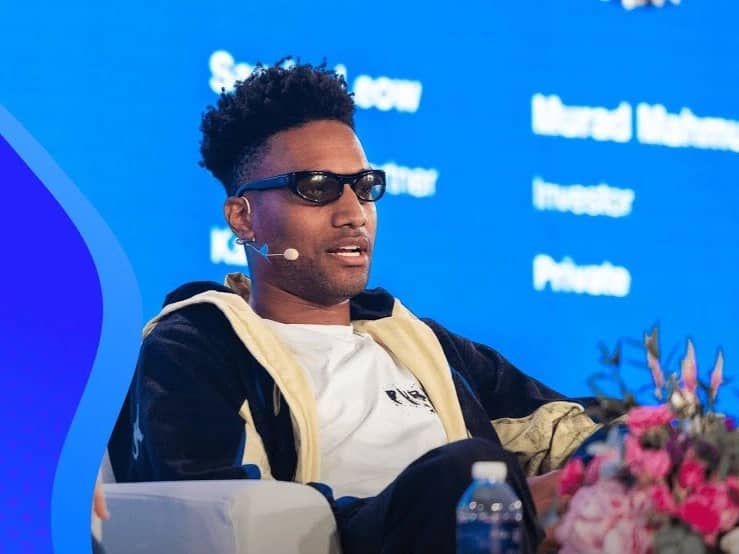
The panel discussion, "Memecoins: Fleeting Trend or Crypto Evolution?" at TOKEN2049 Singapore 2024 explored the rise and evolution of memecoins within the crypto ecosystem. Panelists included Thomas, Sandra Leow (Kaito AI), Mura Mahmudov, Andrei Grachev (DWF Labs), and Mike Dudas (6th Man Ventures). They discussed the enduring presence of coins like Dogecoin and their ability to persist through market cycles, driven by relatability, virality, and strong community engagement. The conversation highlighted how memecoins leverage internet culture by turning viral trends into financialized assets.
While recognizing memecoins' speculative and high-risk nature, panelists noted their importance in fostering engagement and community-driven innovation in crypto. They emphasized the competitive environment, the use of memecoins as a form of community-building, and their role in reflecting broader financial trends and societal behaviors. Discussions also addressed investment strategies, the concept of cult-like followings for successful coins, and the increasing production rate of memecoins in the market.
ANSEM Token and Creator Fee Airdrops
In June 2026, a Solana-based memecoin called ANSEM, also branded as “The Black Bull,” was launched on the Pump.fun platform by an anonymous developer, rather than by Thomas himself.[8][3] The deployer sent a large portion of the token’s supply to a wallet associated with Thomas, effectively tying the token’s branding and market narrative to his online persona without him having created the contract.[10][8]
On June 27, 2026, Thomas announced that he would distribute Pump.fun creator fees and a portion of his ANSEM holdings to the community rather than launching a separate personal token.[3] Reports from that period stated that his Pump.fun profile had generated several hundred thousand dollars in creator fees and that he airdropped approximately $7 million worth of ANSEM to holders in an effort to broaden distribution and increase the holder count toward a stated goal of 1 million wallets.[10] Analyses in late June 2026 indicated that a wallet associated with Thomas held roughly 604 million ANSEM tokens, reported as around 60% of the total supply at the time, while the token’s market capitalization reached a value in the tens of millions of dollars during that period.[10][8] Commentators noted both the community-focused framing of the airdrops and the concentration of supply in a small number of wallets as factors that could influence perceptions of fairness and risk around the token.[8][2]
Solana Price Prediction
In late June 2026, Ansem stated that he believed Solana had already reached its market bottom and expressed a bullish view that SOL could eventually trade at substantially higher prices, mentioning a possible level of $600 during the ongoing cycle.[4] At that time, Solana was trading well below its earlier cycle peak in 2021, and he framed his comments as a personal outlook rather than advice or a guarantee of future performance, contrasting his stance with more cautious or bearish sentiment around the asset.[4]
Ansem compared this view to Solana’s 2023 recovery, when SOL rose from around $8 back toward its previous peak above $200 after a period of negative sentiment.[4] In his commentary, Ansem highlighted memecoin activity, consumer-facing applications such as CARDS, and new perpetual futures venues that could compete with Hyperliquid as examples of broader ecosystem developments he believed might support Solana’s longer-term performance, emphasizing that these views reflected his own market theses rather than specific trading recommendations.[4]