Shiliang Tang
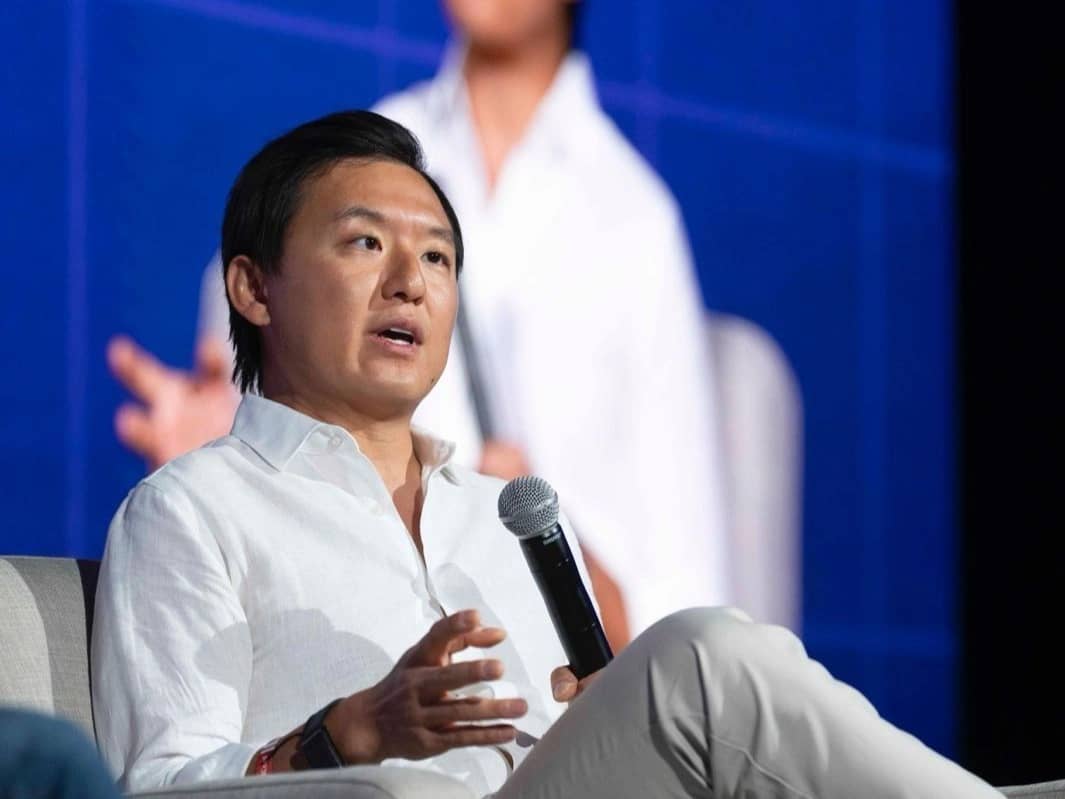
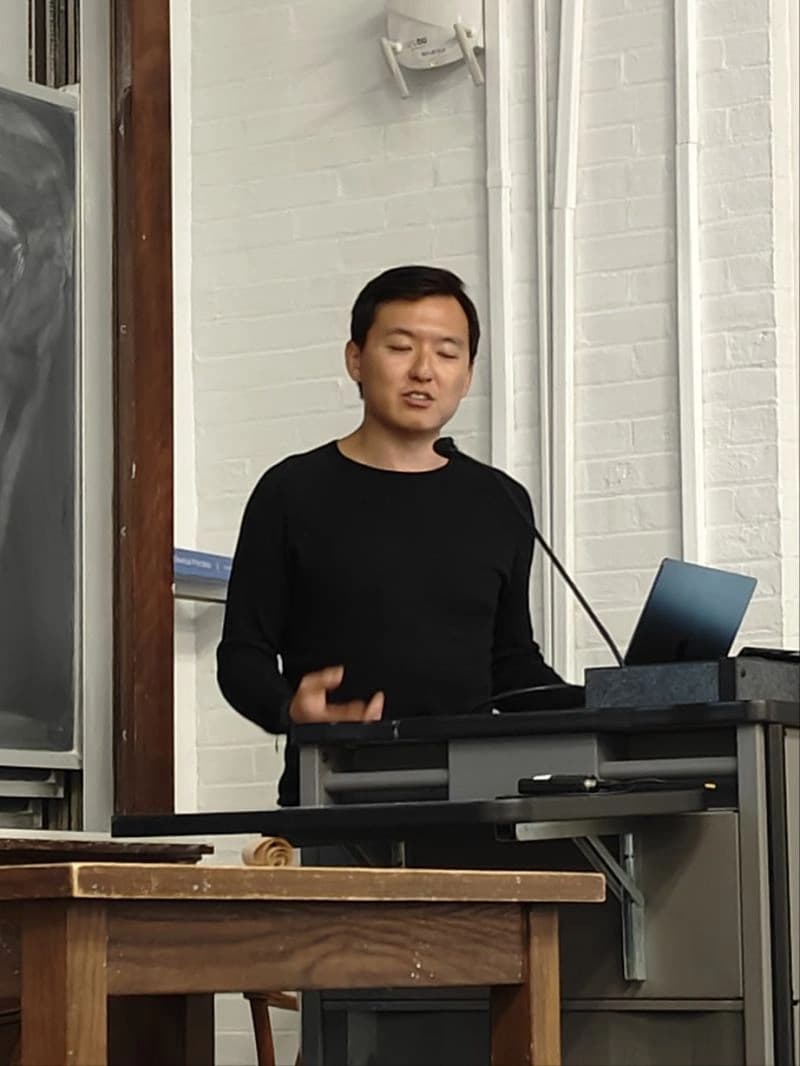
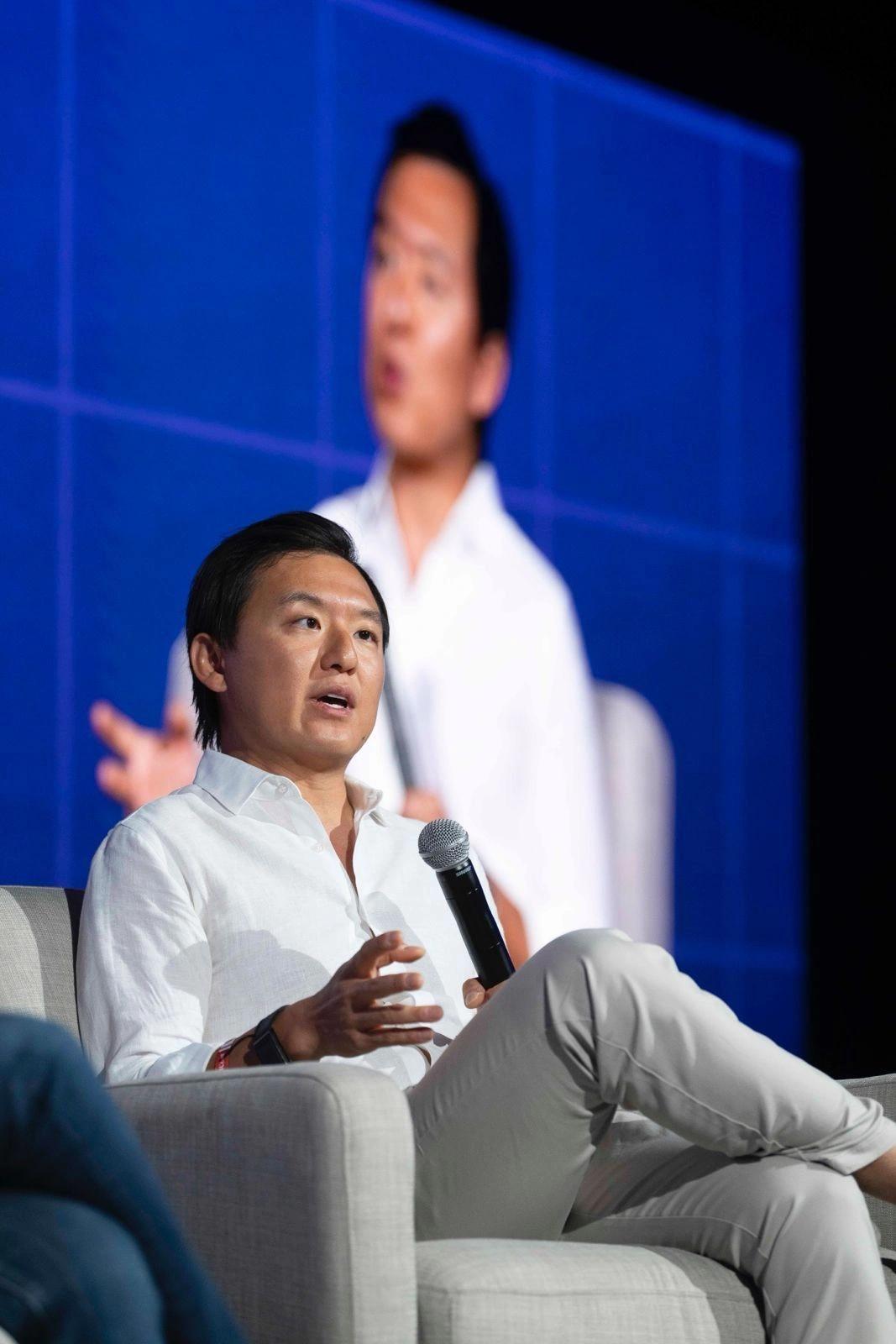
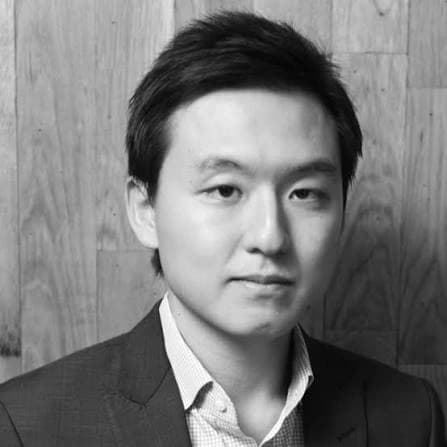
Shiliang Tang is the Managing Partner and CEO of Monarq Asset Management, a multi-strategy digital asset investment firm. Tang is celebrated for co-founding several significant ventures in the fintech and crypto ecosystem, including LedgerPrime and Arbelos Markets. His career in finance began with proprietary trading roles at Merrill Lynch and UBS, focusing on volatility trading and high-frequency strategies. [1] [2] [3]
Early Life & Education
Shiliang Tang attended the Massachusetts Institute of Technology (MIT), where he earned a Bachelor of Science in Chemical Engineering. This educational background laid the foundation for his analytical and technical skills, which he later applied to his career in finance and cryptocurrency. [4]
Career
Proprietary Trading
Shiliang began his career in proprietary trading at established financial institutions such as Merrill Lynch and UBS. In these roles, he honed his expertise in volatility trading and high-frequency strategies, skill sets that he later carried into his entrepreneurial ventures, which served as a basis for later work with digital assets. [1]
LedgerPrime
In 2017, Tang co-founded LedgerPrime, a quantitative and systematic digital asset hedge fund that achieved significant growth, amassing $400 million in assets under management (AUM) by 2022 before it was acquired. Tang’s leadership helped shape LedgerPrime into a leading player in the digital asset hedge fund space. [1]
Arbelos Markets
Tang also co-founded Arbelos Markets, a principal trading firm focused on digital asset derivatives. By the end of 2024, Arbelos was acquired by FalconX, underscoring its value and contribution to the crypto derivatives market. [5] [3]
Monarq Asset Management
Currently, Tang serves as the Managing Partner and CEO of Monarq Asset Management. Under his leadership, Monarq has become known for its innovative strategies in digital asset trading, including delta-neutral and directional strategies. The company received a strategic investment from FalconX in 2025, which aimed to scale its operations and expand its client base. [3] [2]
WorldCover
Before his ventures in digital assets, Shiliang co-founded WorldCover, a fintech firm focused on providing innovative financial solutions to underserved markets. The company was backed by prestigious venture capital firms, including Y Combinator. [1]
Contributions to Crypto & Web3
Shiliang Tang has been an influential figure in the evolution of crypto derivatives, contributing significantly to the industry's maturity and the adoption of market-neutral strategies. His work emphasizes the importance of risk management and infrastructure in trading, which has been particularly influential following market shocks such as the fallout from the FTX collapse. [6]
Tang's focus on blending traditional financial strategies with emerging digital assets has helped bridge the gap between these two worlds. Monarq's approach to leveraging data-driven insights and technological innovation places it at the forefront of digital asset management. [2]
Investments and Ventures
Over his career, Tang has been involved in significant investment and advisory roles across various firms, contributing his expertise in quantitative trading and financial innovation. His strategic insights have been critical in shaping the growth strategies of companies like BlockTower Capital and other fintech startups. [1]
Public Presence & Media
As an active participant in the digital asset ecosystem, Shiliang Tang is frequently involved in industry conferences such as Consensus Hong Kong and other global forums where he shares insights on crypto volatility, market opportunities, and innovations. [1]
He also maintains an active online presence, using platforms like X (formerly known as Twitter) to share thoughts and engage with other professionals in the industry. [5] His contributions to discussions on the strategic direction of crypto markets are well-regarded in the community. [4]
Through his career, Tang has consistently demonstrated a forward-thinking approach to financial management and digital innovation, making him a respected leader in the crypto and digital asset industry.
Interviews
Quant Strategies and Market Evolution #01
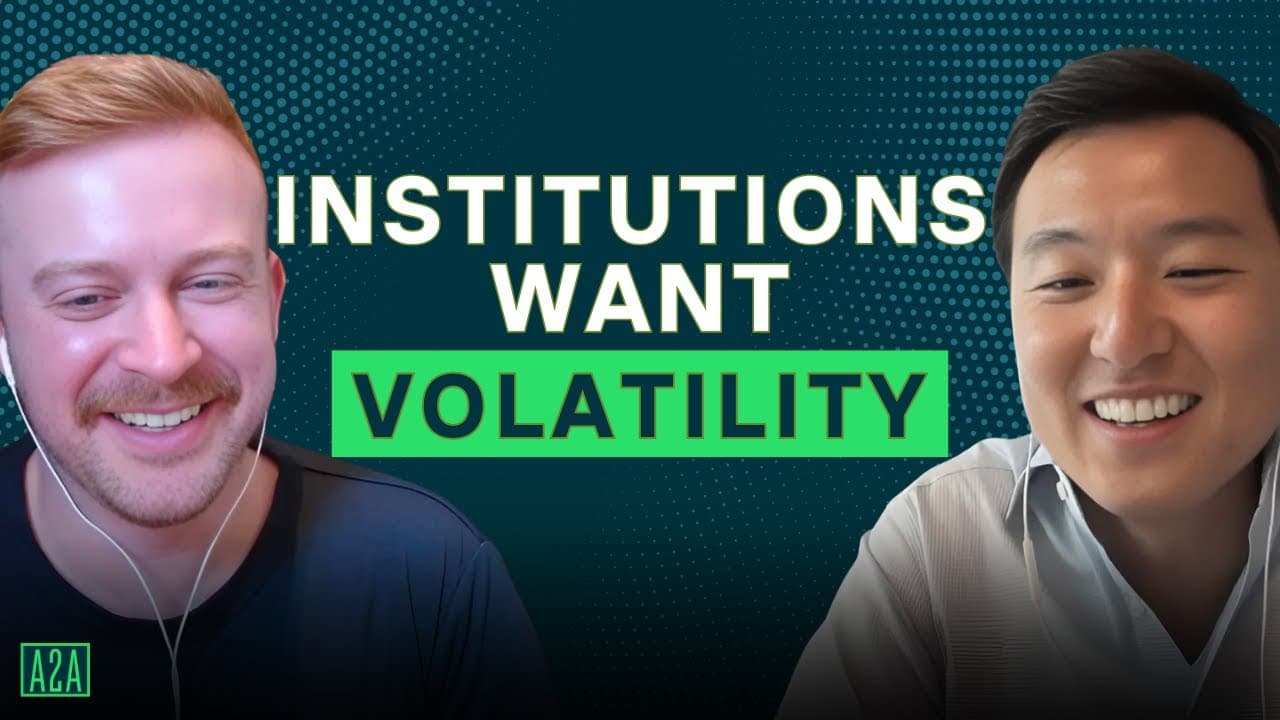
On June 26, 2025, Shiliang Tang was interviewed on Angels to Allocators in an episode titled “Shiliang Tang – Inside Monarq’s Quant Strategies & Market Evolution.” The discussion covered his background in quantitative trading, the development of digital asset investment strategies, and changes in the structure of cryptocurrency markets.
Tang described increased competition in areas such as arbitrage, market making, and systematic trading. He identified decentralized finance (DeFi) and other emerging segments as areas where differences in market structure, liquidity arrangements, and newly introduced protocols continue to influence trading strategies.
He also outlined the structure of Monarch’s investment products, consisting of a U.S. dollar-denominated market-neutral quantitative fund, a Bitcoin-denominated market-neutral fund, and a discretionary directional long-short fund. According to Tang, the team rebuilt its trading systems and strategies in 2023 and initially tested them with proprietary capital. The public fund was relaunched in January 2024.
Regarding the development of digital asset markets, Tang described a possible shift toward treating cryptocurrency as an asset class within broader institutional investment strategies. In this framework, performance could be evaluated through risk-adjusted returns and portfolio construction rather than solely against Bitcoin. He also discussed the development of token structures that incorporate characteristics associated with traditional securities, including cash flows, dividends, and share repurchases. At the same time, he noted the increasing use of blockchain infrastructure for traditional financial assets.
Tang identified fragmented liquidity, limited credit availability, and the interaction between centralized and decentralized trading venues as infrastructure issues affecting digital asset markets. He discussed the possibility of greater liquidity aggregation and trading systems that combine characteristics of traditional brokerage infrastructure with access to centralized and decentralized markets. [7]
Institutional Crypto Asset Management #02
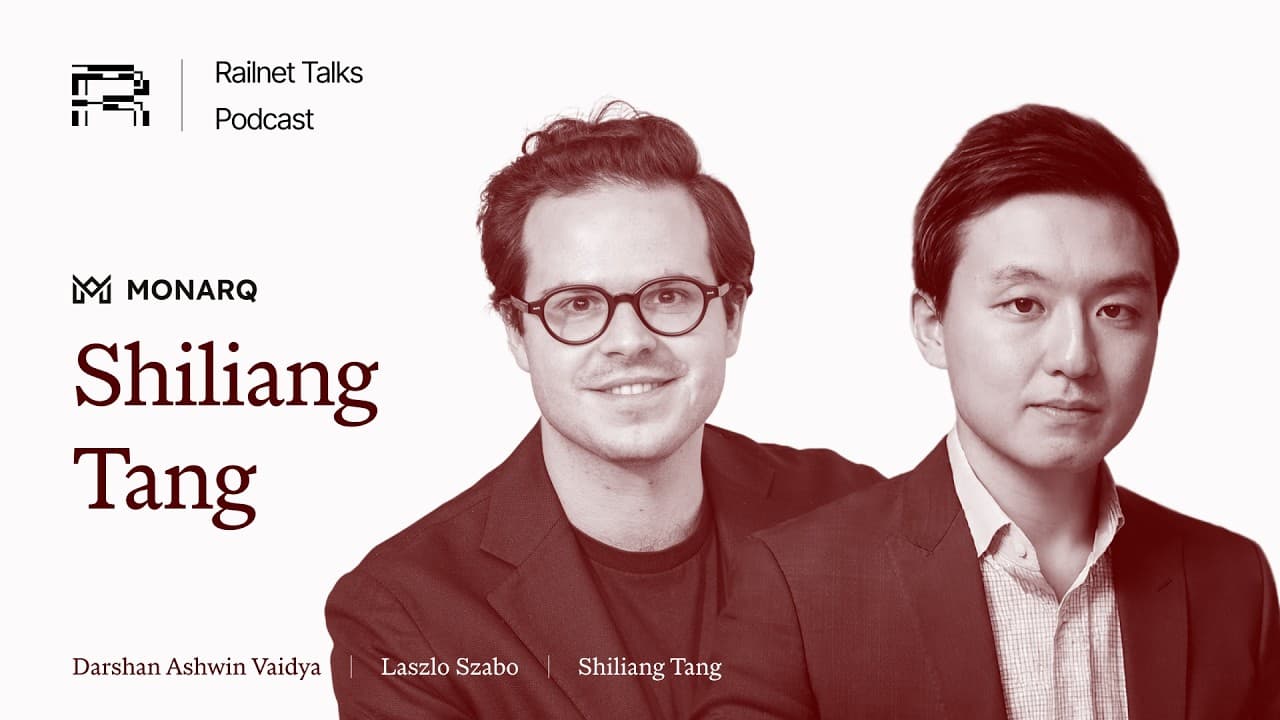
On April 1, 2026, Shiliang Tang, Managing Partner of Monarq Asset Management, appeared on the first episode of Railnet Talks, a podcast hosted by Kiln. The discussion covered Tang's professional background in traditional financial markets, his approach to digital asset management, and developments in on-chain financial infrastructure.
Tang described his career as beginning in quantitative trading after studying chemical engineering. His early work involved automated market making, electronic trading, options, equities, and commodities. He became interested in Bitcoin during the early years of the cryptocurrency market and later returned to the sector in 2017, when he considered its trading infrastructure sufficiently developed to apply strategies derived from traditional financial markets. He subsequently founded Ledger Prime and later became involved in other digital asset businesses.
In discussing Monarq's investment activities, Tang characterized the firm as a multi-strategy digital asset manager. He described strategies including market making, arbitrage, options trading, statistical arbitrage, DeFi activities, and directional trading. According to Tang, the use of multiple strategies is intended to distribute exposure across different market conditions, since individual sources of returns may vary over time.
Tang also addressed the relationship between traditional finance and crypto-native expertise. He stated that traditional financial experience was initially accompanied by a limited understanding of crypto-specific market structures, products, and DeFi protocols. As digital asset markets developed, he argued that knowledge of traditional financial infrastructure became increasingly relevant as equities, commodities, and other financial products began appearing on blockchain-based platforms.
Bitcoin was discussed in the context of yield generation and collateral. Tang described Bitcoin as an asset without a native yield and noted that it can increasingly be used as collateral across trading venues and financial platforms. He outlined strategies involving the use of Bitcoin as collateral for borrowing stablecoins, which can then be deployed in market-based or DeFi strategies. He stated that the resulting returns depend on factors such as borrowing costs, the yield generated by the underlying strategies, and the risks associated with those activities.
For Ethereum, Tang identified staking as a distinguishing characteristic. He described ETH as an asset that already produces a staking yield and noted that its role within DeFi provides additional uses for on-chain strategies. He also indicated that strategies involving ETH would have a different return requirement from Bitcoin-based strategies because staking provides an underlying yield that serves as a reference point for additional returns.
Tang discussed several operational aspects of on-chain asset management. He described the existing infrastructure for crypto funds as fragmented across exchanges, prime brokerage services, custody systems, and other financial providers. In his view, further development of on-chain asset management would require greater integration of these components and more automated processes for monitoring positions, returns, and risk.
He also associated on-chain financial infrastructure with more frequent access to information about portfolio risks and faster settlement. Tang noted that institutions may require confidentiality and therefore suggested that technologies such as zero-knowledge proofs could allow certain risk information to be verified without disclosing complete positions. He described instant settlement and more frequent risk assessment as characteristics that could distinguish blockchain-based financial infrastructure from existing settlement processes.
The discussion also covered the increasing use of blockchain infrastructure for traditional financial assets. Tang referred to commodities, equities, stablecoins, payments, and settlement systems as areas in which blockchain-based infrastructure is being applied. He stated that it remains uncertain whether these assets will primarily be traded through crypto-native platforms or through existing financial institutions adopting blockchain-based infrastructure. He estimated that a substantial amount of traditional financial infrastructure could begin operating on-chain within one to two years, while acknowledging uncertainty regarding the form that adoption would take.
Tang identified prediction markets, perpetual contracts, real-world assets, and market-making systems as areas of interest within the digital asset sector. He described prediction markets as a simplified interface for trading event-based outcomes and discussed the potential expansion of perpetual contracts to additional asset classes subject to regulatory developments. He also discussed automated market makers designed to incorporate characteristics of professional market-making operations, including adjustments to pricing and liquidity.
In his broader outlook, Tang argued that blockchain adoption in financial markets may extend beyond cryptocurrency-native applications. He pointed to stablecoins, tokenized money-market products, settlement systems, and other blockchain-based financial components as infrastructure that could increasingly interact with existing financial institutions. He stated that this development could occur through both crypto companies and established financial institutions, depending on regulatory and market conditions. [8]