0% read
Last updated:
Timothy Lewis
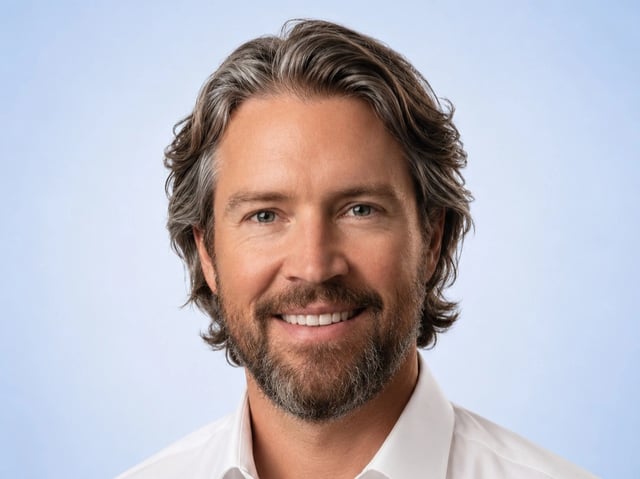
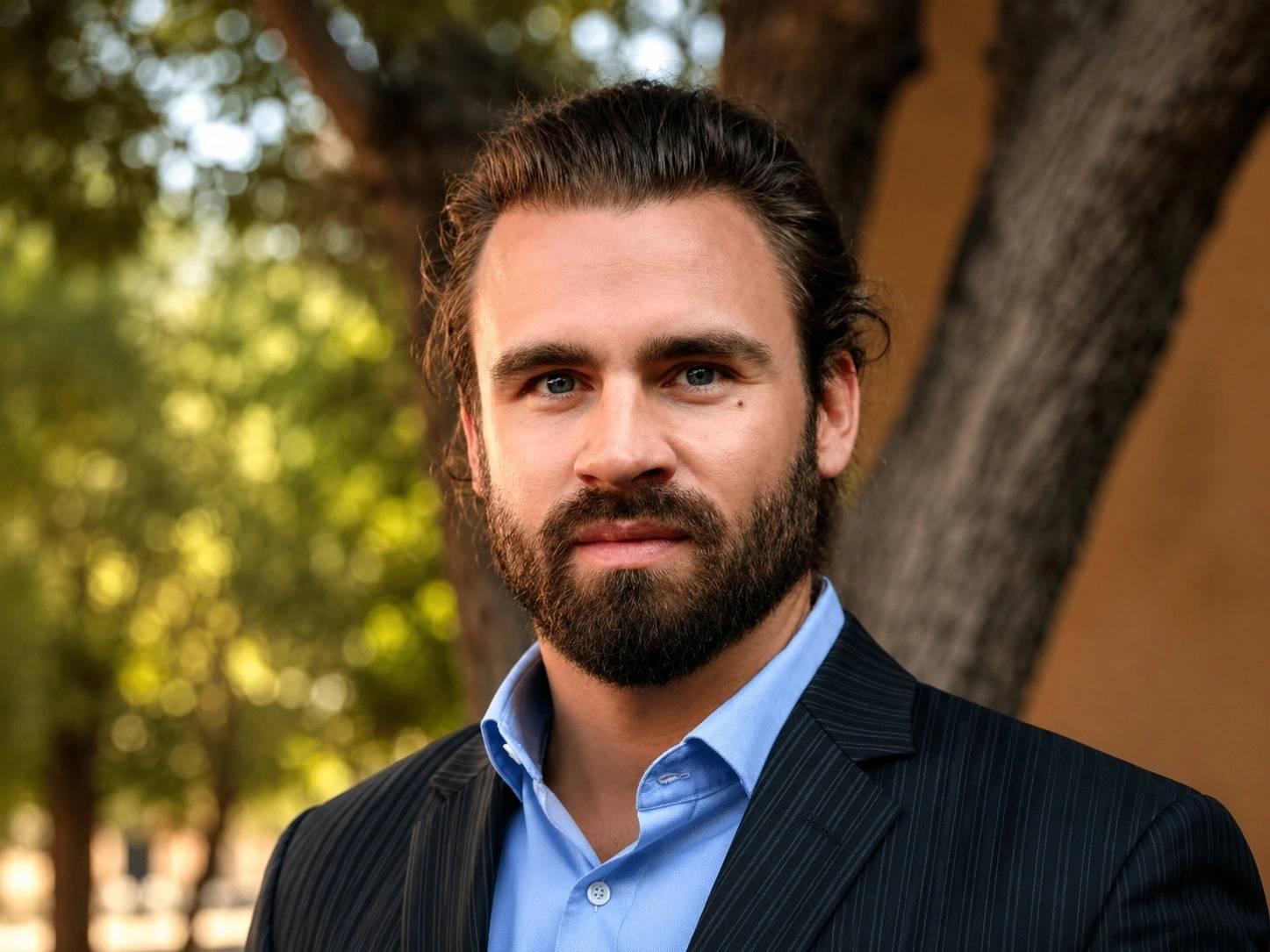
Timothy Lewis is a technology entrepreneur and blockchain-focused executive who co-founded tea.inc, the organization behind the Tea Protocol, which focuses on creating incentive mechanisms for open-source software development. His career spans infrastructure engineering, cybersecurity, blockchain development, venture investing, and startup leadership, with experience across technology, healthcare, decentralized organizations, and digital asset ecosystems. [7]
Education
Lewis graduated from Ohio State University with a BA in Business in 2001. [2]
Career
Lewis began his career in technical infrastructure roles, working as a Data Center Engineer at e-velocity technical consulting from 2002 to 2004 before joining Thought Tank Group as a Consulting Engineer from 2005 to 2015. He later held consulting engineering positions with New Edge Group and the American Medical Association, and worked as a Senior Security Engineer at Oracle from 2009 to 2012 and as a Data Center Engineer at Kaiser Permanente from 2013 to 2015. From 2017 to 2018, Lewis worked in blockchain development and served as Chief Technology Officer at Atlas Cloud, a blockchain mining company, while also advising AlphaNetworks and founding Ikigai Asset Management in 2018. He later founded DEVxDAO in 2021, a nonprofit organization focused on supporting decentralized autonomous organizations, and co-founded tea.inc (Tea Protocol) in October 2021, where he serves as CEO. In addition to his work in blockchain and open-source technology, Lewis founded Maion.ai in 2024, a healthcare technology company focused on digital patient services, and has maintained involvement with ventures including Predict Global and Growcards. [3]
Interviews
Rewarding OSS Heroes
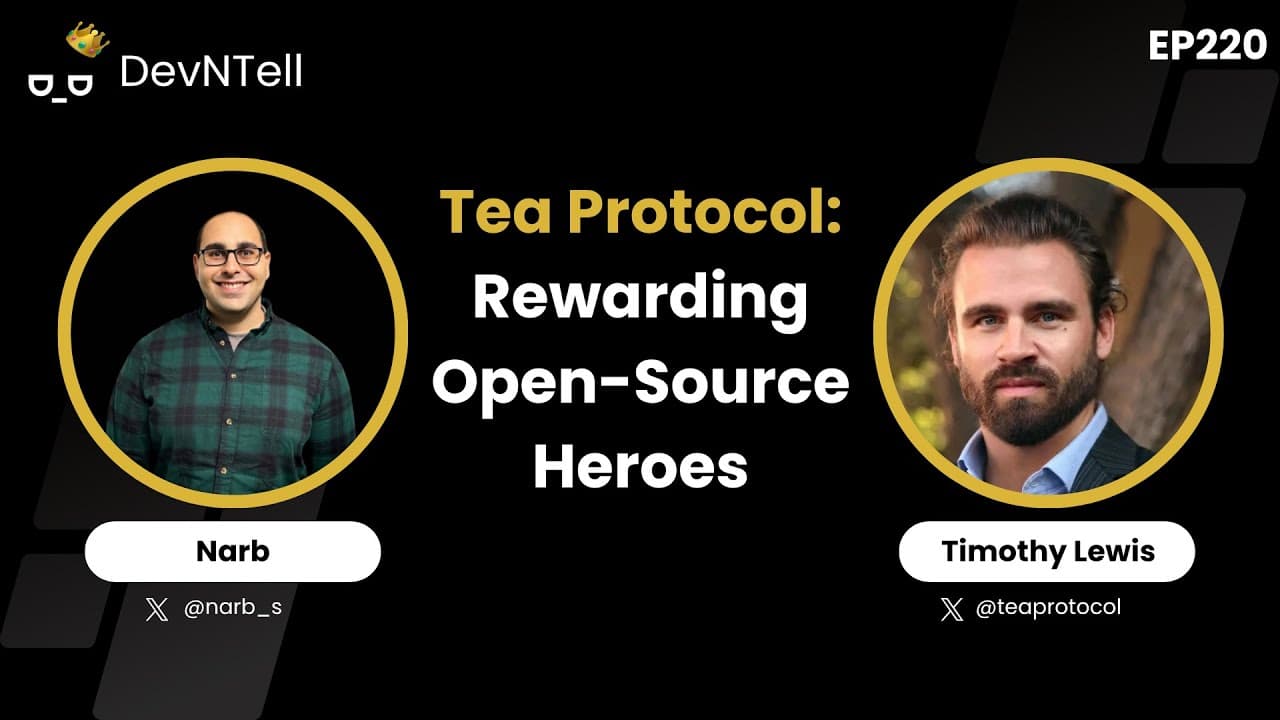
In a May 2026 interview on the DevNTell podcast, Lewis discussed his background in cryptography, open-source software, and blockchain technology, and how these areas influenced the creation of Tea. Lewis explained the challenges facing open-source development, including limited financial incentives, security risks, and software supply chain vulnerabilities, and described Tea’s goal of creating a decentralized framework that enables contributors to receive recognition and rewards for their work. He outlined the protocol’s development of blockchain-based tools to verify developer identities, track software dependencies, and improve transparency across open-source ecosystems. Lewis also discussed the technical and economic considerations involved in building Tea, including token design, spam prevention, and creating mechanisms that encourage meaningful contributions rather than manipulation. He highlighted the broader relationship between open-source software, artificial intelligence, and blockchain infrastructure, emphasizing the importance of sustainable development models as technology evolves. The conversation covered Tea’s progress toward its network launch, community participation, and the role of decentralized systems in improving software security and contributor incentives. [5]
OSS Development
On the BlockHash podcast in October 2025, Lewis shared his extensive background as a computer engineer and cryptography enthusiast, highlighting his early fascination with blockchain and decentralization dating back to the 90s. He discussed his involvement in open-source software, notably his work with Max Howell on projects like Homebrew, which inspired the development of Tea Protocol. Lewis explained Tea's mission to revolutionize open-source incentivization by leveraging blockchain technology, including a global dependency graph, protocol ranking, and innovative reward systems using signatures and signature-based rewards. He detailed ongoing developments, including the upcoming mainnet launch, partnerships such as Velodrome for cross-chain assets, and new tools like the pkgx package manager, designed to simplify secure application deployment. Furthermore, Lewis outlined plans for community engagement, developer participation through testnets, and future innovations in decentralized storage and DAO mechanisms. He emphasized their focus on building a permissionless, scalable ecosystem to foster sustainable open-source development, with a roadmap extending into 2025. Throughout, he expressed enthusiasm for the project's potential to enhance the open-source landscape and encouraged community involvement via their website, socials, and upcoming events. [6]
See something wrong?
Average Rating
No ratings yet, be the first to rate!
How was your experience?
Give this wiki a quick rating to let us know!
Edited By
On July 20, 2026. 01:56 UTC
Edit summary:
Updated tag order to Advisor, Developer, Founder; changed category people to People in crypto; added 1 event