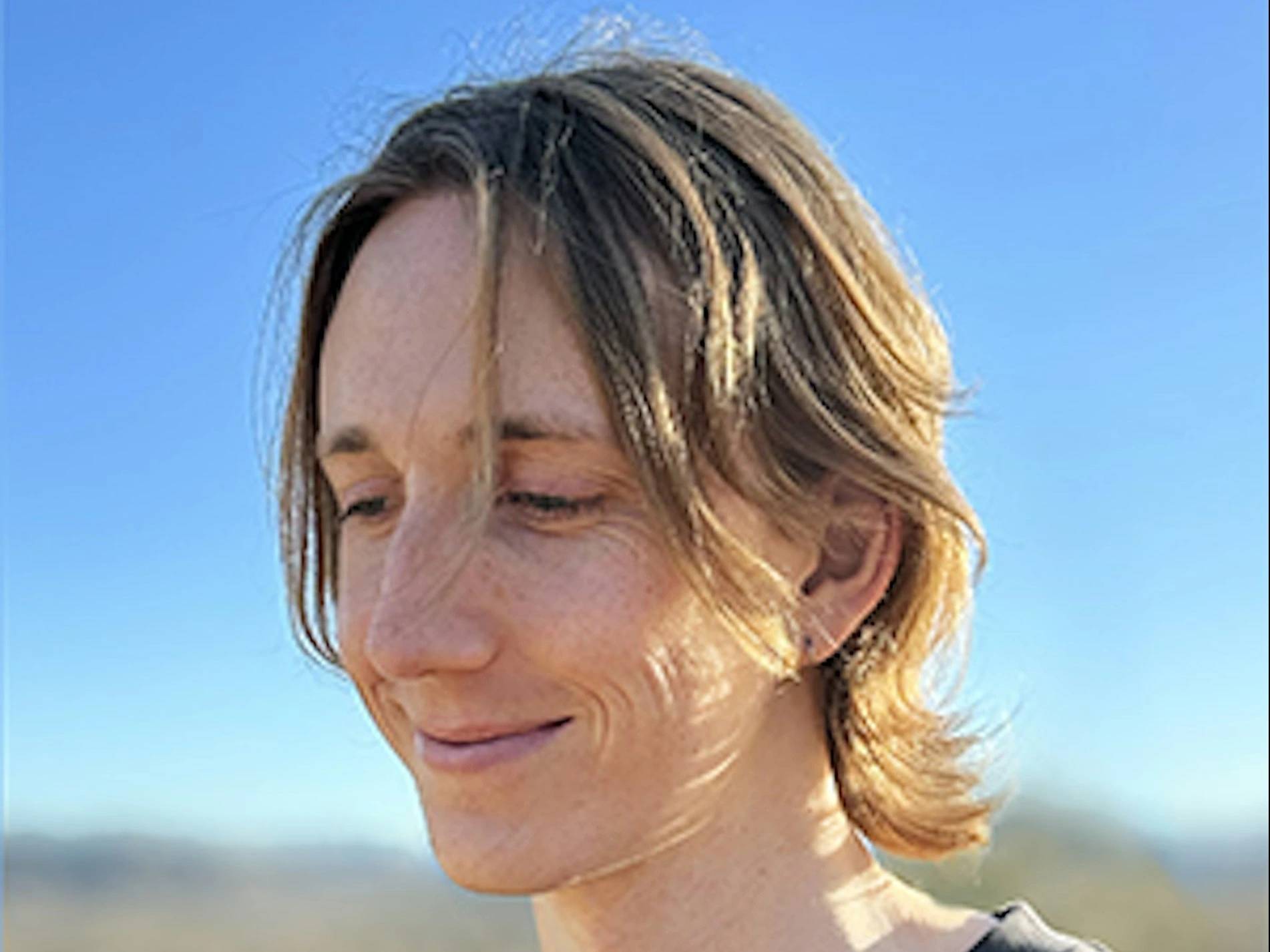
Fig
Fig is the pseudonymous co-founder of Squid, a cross-chain interoperability protocol designed to simplify transactions between different blockchains. Known online by the handle ecdsafu, he is a prominent advocate for chain and cross-chain abstraction, focusing on building infrastructure that hides the complexity of multi-chain interactions from end-users and developers. [1] [2]
Career
Early Interests and Education
Fig's early career path began in medicine, where he attended medical school. His interest in the field stemmed from a fascination with elaborate, intricate systems and a motivation to have a positive impact on people's lives. However, he eventually transitioned away from medicine, citing the field's stringent oversight and regulatory environment as a constraint on his creative drive. [2] [3]
Following his departure from medicine, Fig moved to New York and explored a variety of creative and technical pursuits. During this period, he taught himself how to code, took on User Experience (UX) design projects, and performed as a musician, developing a multidisciplinary skill set. [2]
Transition to Web3
Fig's entry into the blockchain industry was preceded by a role as a finance analyst, which served as his first introduction to the technology. He formally entered the Web3 space in 2020, drawn by what he saw as its potential to automate and solve inefficiencies present in traditional finance. The industry's combination of complex technical systems and creative freedom aligned with his interests, and he identified with its decentralized ethos, which values meritocracy and permissionless innovation. [2] [3]
Before co-founding Squid, Fig was an early employee at Axelar, a cross-chain communication network. At Axelar, he worked on the developer ecosystem and contributed to the architecture of its core interchain communication protocol. This experience provided him with deep insights into the mechanics of cross-chain interactions and the need for a more user-friendly application layer to make the technology accessible. [1] [4]
Founding of Squid
In 2021, Fig and his co-founders, including Christina Rud, began building Squid. The project originated from within the Axelar ecosystem to act as a user and developer-friendly layer on top of Axelar's infrastructure. [2] [5] Squid was designed to leverage Axelar's General Message Passing (GMP) to enable more than just asset bridging, allowing for complex, single-click cross-chain actions like swaps, staking, and purchases. The founding mission was to address interoperability challenges and make cross-chain liquidity and functionality easily accessible for developers to integrate into their applications. [1] [5]
Philosophy and Vision
Fig is a vocal proponent of several core concepts related to the future of blockchain interoperability.
Cross-Chain Abstraction
His central philosophy is that for Web3 to achieve mass adoption, the underlying complexity of its multi-chain architecture must be hidden from the end-user. He calls this "cross-chain abstraction," a state where users can interact with any decentralized application (dApp) on any chain without needing to understand bridges, manage assets on different networks, or hold multiple native gas tokens. [4] This vision is centered on creating a frictionless user experience. As Fig stated in a 2024 interview:
"With Squid v2, we let you use Solana like it’s a Polygon app, or use Osmosis like it’s an Ethereum app... The goal is that using any blockchain feels like using one blockchain." [5]
Decentralizing Decentralization
Fig has used the phrase "decentralizing decentralization" to describe the evolution of the blockchain ecosystem from a monolithic, single-chain environment (where innovation was concentrated on one network) to a multi-chain one. In this paradigm, value and applications are distributed across many sovereign networks. He sees the role of protocols like Squid as providing the "connective tissue" that makes this fragmented landscape feel whole, unified, and accessible to the average user. [3]
Composability and Developer Experience
He argues that the ultimate goal of interoperability is not merely moving assets between chains but enabling developers to "compose" functionalities from different chains into a single, cohesive application. [1] For example, a user could leverage collateral on one blockchain to borrow an asset on another, all from a single interface. A key part of his vision for Squid is providing developers with a simple Software Development Kit (SDK) and API, allowing any application to integrate cross-chain functionality with minimal effort. [4]
Media Appearances and Public Engagement
As a public-facing co-founder, Fig frequently represents Squid at industry events and in media interviews.
In July 2023, he and the Squid team attended EthCC and other side events in Paris, where they engaged with the broader Ethereum and cross-chain developer communities. [6] He has also been a speaker at events such as the Blockworks Digital Asset Summit. [5]
One of his most in-depth interviews was on Episode 50 of The Smart Economy Podcast, published in late 2023. In the episode, titled "Decentralizing Decentralization: The Evolution of Multi-Chain Infrastructure with Fig from Squid," he discussed the origins of Squid, its relationship with Axelar, and his vision for a simplified, interconnected multi-chain future. The conversation covered the importance of abstracting complexity to improve the Web3 user experience and drive wider adoption. [7] [3]