0% read
Last updated:
US Sonic Dollar (USDD)
US Sonic Dollar (USSD) is a U.S. dollar-pegged stablecoin native to the Sonic blockchain ecosystem. Created by Sonic Labs and launched in March 2026, it is designed to be fully backed on a 1:1 basis by high-quality, short-duration USD assets, primarily tokenized U.S. Treasury products. The stablecoin is built utilizing the frxUSD stablecoin infrastructure developed by Frax Finance and serves as a foundational liquidity and settlement layer for decentralized applications (dApps) on the Sonic network. [1] [2]
Compare Cryptoassets
Select an asset to compare its price and other stats against US Sonic Dollar (USDD).
 ?
?Ecosystem map
Explore the wikis US Sonic Dollar (USDD) is connected to and their relationships on the map.
Overview
US Sonic Dollar was introduced by Sonic Labs as a core component of its "vertical integration" strategy, aimed at establishing foundational financial primitives within the Sonic ecosystem. The primary objective of USSD is to create a reliable and native "money layer" that concentrates the network's financial activities—such as trading, lending, and settlement—around a single, integrated dollar-pegged asset. This approach is intended to capture and compound value within the network, converting what might otherwise be transient liquidity into a long-term, stable foundation. By creating its own native stablecoin, the Sonic ecosystem seeks to reduce its dependence on external assets and prevent the liquidity fragmentation that can occur when relying on third-party stablecoins from competing blockchains. [1] [2]
The stablecoin is designed to be permissionless, allowing any user or developer to mint, redeem, and integrate USSD into applications without requiring approval. A key feature of its economic model is the redirection of yield generated from its underlying reserve assets. Revenue from the tokenized U.S. Treasuries that back USSD is channeled back into the Sonic ecosystem to fund platform incentives and support token buybacks. This mechanism is designed to create a self-sustaining economic loop, enhancing the overall value proposition of the network. [1] [3]
Technical Architecture
The design of USSD combines established stablecoin infrastructure with backing from institutional-grade financial products to ensure stability, transparency, and interoperability.
Backing and Reserves
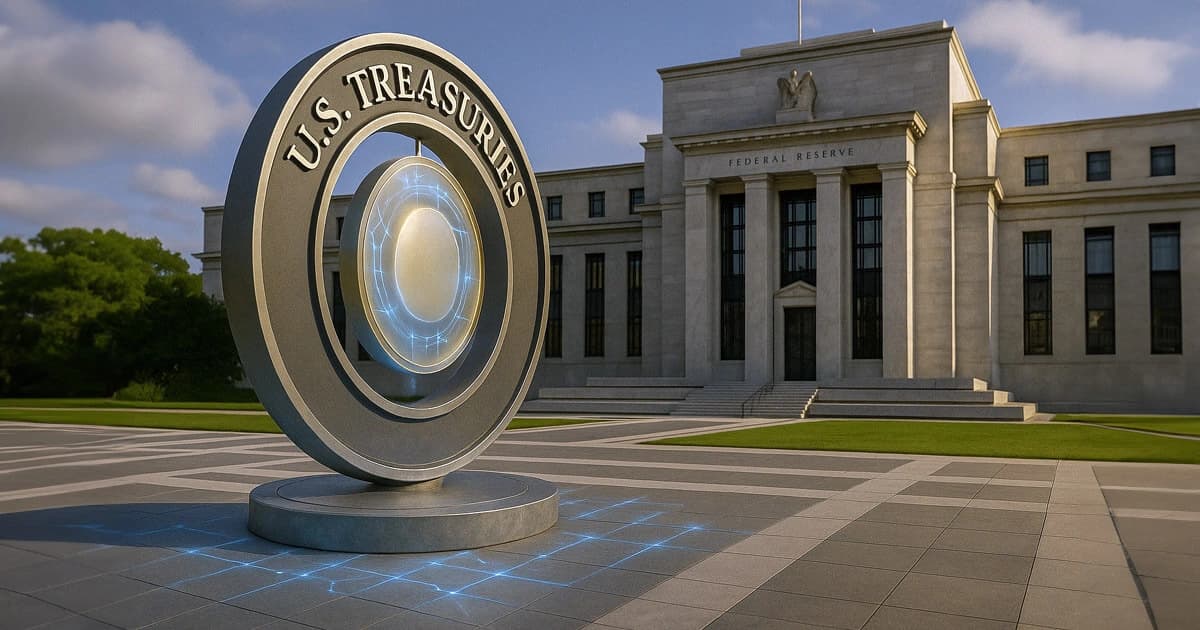
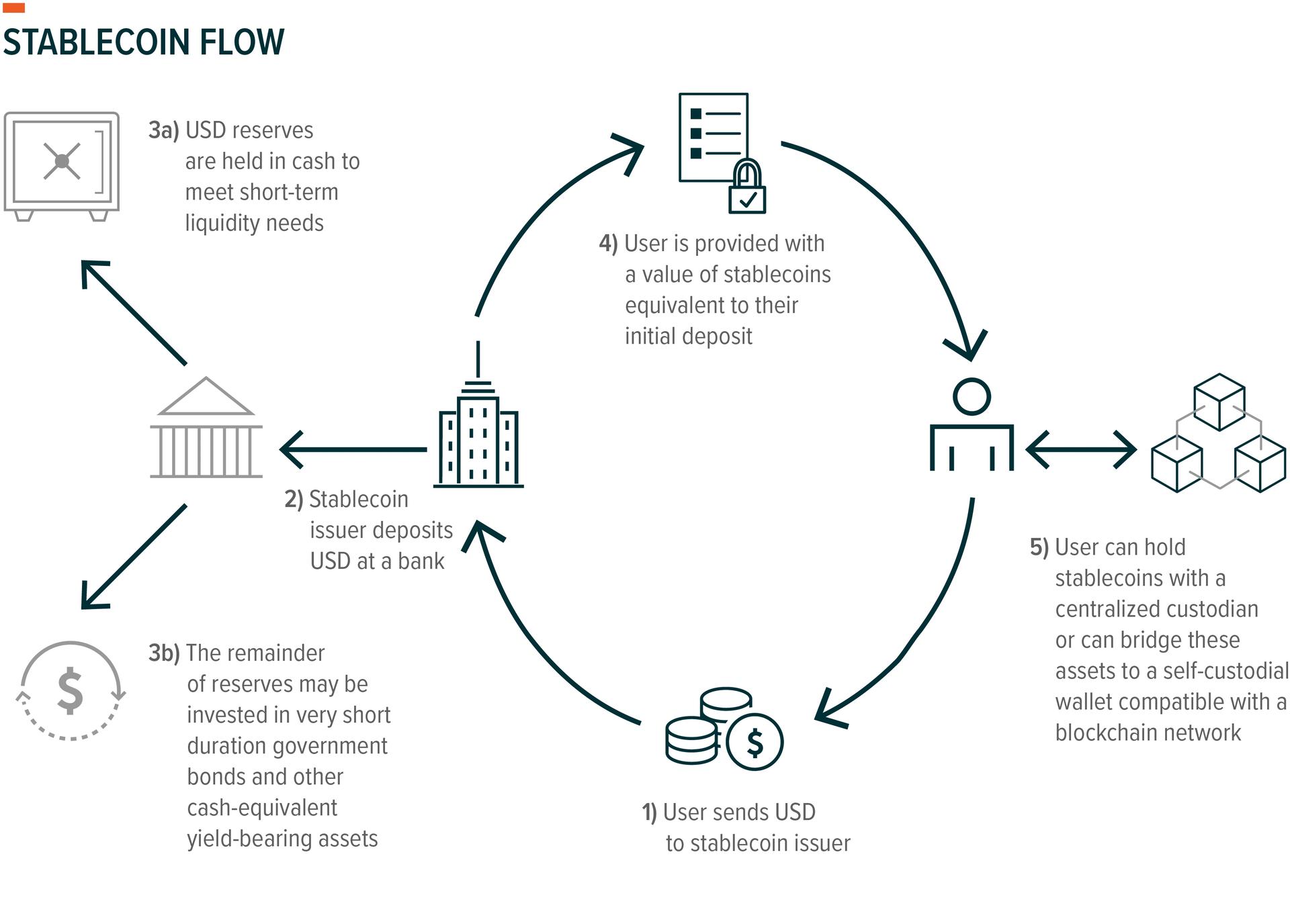
USSD is designed as a fully backed stablecoin, collateralized 1:1 with short-duration U.S. dollar assets. The reserves are composed primarily of tokenized real-world assets (RWAs), specifically U.S. Treasury products from established institutional providers. This model is intended to provide a high degree of stability and trust, as the backing consists of low-risk, liquid assets. [1] [2]
The primary assets held in reserve include:
- BlackRock USD Institutional Digital Liquidity Fund (BUIDL): A tokenized fund representing shares in a portfolio of cash, U.S. Treasury bills, and repurchase agreements.
- Superstate Short-Term Treasury Fund (USTB): A regulated fund that invests in short-term U.S. Treasury securities and is tokenized on the blockchain.
- WisdomTree Government Money Market Digital Fund (WTGXX): A tokenized share of a government money market fund.
These reserve assets are held with regulated custodians, and the reserve framework is modeled after the system used by Frax Finance. The architecture is designed to allow for on-chain transparency and verifiability of the reserves through the Frax infrastructure. [1] [2]
Technology and Infrastructure
USSD is built using Frax Finance's GENIUS-compatible frxUSD stablecoin infrastructure. This technological foundation provides the core smart contracts and operational logic for managing the stablecoin's lifecycle, including minting, redemption, and the management of collateral reserves. By leveraging Frax's established and audited framework, Sonic Labs was able to deploy a sophisticated stablecoin mechanism without developing the entire system from the ground up, benefiting from the security and functionality of the underlying frxUSD protocol. [1] [2]
Minting Process
Users can create new USSD tokens through a permissionless and non-custodial process. The minting occurs at a 1:1 ratio against approved collateral, and Sonic Labs charges no fees for the minting operation. [2]
The system accepts a diverse range of assets as collateral, including:
- Stablecoins: USD Coin (USDC), Tether (USDT), PayPal USD (PYUSD), and USDB.
- Tokenized Treasuries: BUIDL, USTB, WTGXX, and other approved assets.
The minting system is also designed for cross-chain functionality, enabling users to deposit one of the supported collateral assets on over ten different blockchains and receive newly minted USSD tokens directly on the Sonic network. [1] [2]
Redemption Process
Holders of USSD can redeem their tokens for the underlying a-supported USD assets at a 1:1 ratio. This process is managed by smart contracts, ensuring a deterministic and automated redemption mechanism. The redemption functionality is a critical component for maintaining the stablecoin's peg to the U.S. dollar, as it provides an arbitrage opportunity if the market price of USSD deviates from $1. [2]
The redemption mechanism also facilitates several key ecosystem functions, including cross-chain liquidity movements (particularly on chains supporting the Cross-Chain Transfer Protocol or CCTP), settlement operations for dApps, and network-wide rebalancing of assets. Looking forward, a direct-to-fiat off-ramp is planned, which would allow eligible users to redeem USSD directly for U.S. dollars. This feature will be subject to Know Your Customer (KYC) and Anti-Money Laundering (AML) verifications. [1]
Tokenomics and Ecosystem Role
USSD is positioned as more than just a stablecoin; it is an integral part of the Sonic network's economic strategy, designed to drive liquidity and value accrual.
Native Liquidity Layer
USSD serves as the foundational monetary asset and primary source of stable liquidity for applications built on Sonic, including integrated platforms like the Clove protocol. Its core functions within the ecosystem include:
- Primary Quote Asset: Serving as the main asset for pricing pairs on decentralized exchanges (DEXs).
- Collateral for Lending: Acting as a stable form of collateral in borrowing and lending markets.
- Settlement Asset: Used for settling trades and payments in various dApps, such as those for perpetual futures.
By establishing USSD as the default stable asset, the network aims to create a more straightforward and composable environment for developers, who can build applications around a clean, native base token. [1] [2]
Yield Generation and Distribution
A distinct feature of USSD's tokenomics is its "yield flywheel" mechanism. The yield generated from the interest-bearing U.S. Treasury products held in the reserve is captured by the protocol. This revenue is not retained by Sonic Labs but is instead redirected back into the Sonic DeFi ecosystem. The stated uses for these funds are to provide ecosystem-wide incentives and to finance token buybacks. This model aims to create a self-reinforcing liquidity loop, where the growth of USSD's supply directly contributes to the financial health and attractiveness of the entire network. [3] [1]
Multi-Chain Functionality
USSD was designed from the outset as a multi-chain asset to maximize its reach and utility across the broader blockchain landscape. It is deployed on 11 blockchains, providing a seamless experience for users interacting with different ecosystems. [2]
Major blockchains where USSD is available include:
In addition to these, USSD is available on seven other networks. The architecture is built to support CCTP-enabled chains, which allows for secure and familiar cross-chain transfers, helping to prevent the fragmentation of liquidity that often occurs when assets are bridged between different environments. The goal is to allow users to redeem USSD on their chain of choice, making it a highly portable and liquid stablecoin. [1] [3]
See something wrong?
Average Rating
No ratings yet, be the first to rate!
How was your experience?
Give this wiki a quick rating to let us know!
ussdUSD
Price
$0.999614
0.02%
Market Cap
$2,095,787.00
0.01%
Diluted Market Cap
$2,095,787.00
0.01%
Volume
$265,741.00
0.00%
Edited By
On July 15, 2026. 23:02 UTC
Edit summary:
Updated tag Stablecoins to Stablecoin, changed category Cryptocurrencies to Cryptoassets, and updated 1 event