0% read
Last updated:
Brendan Blumer
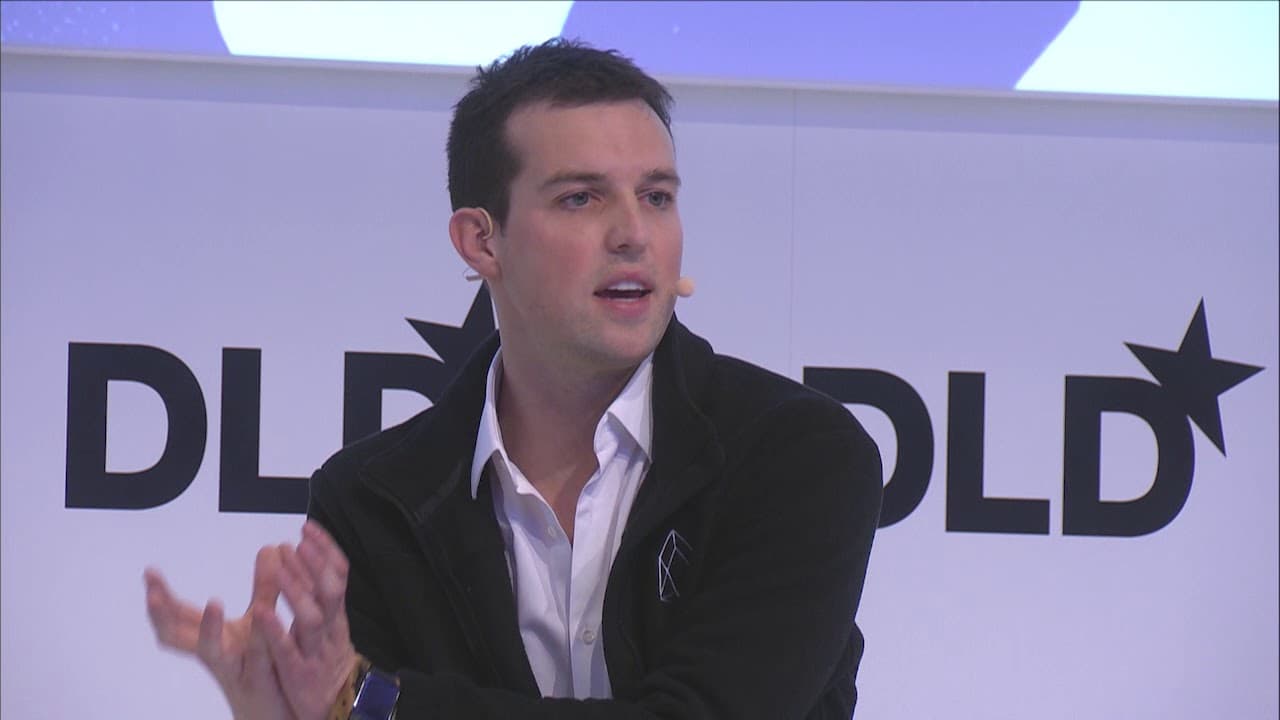
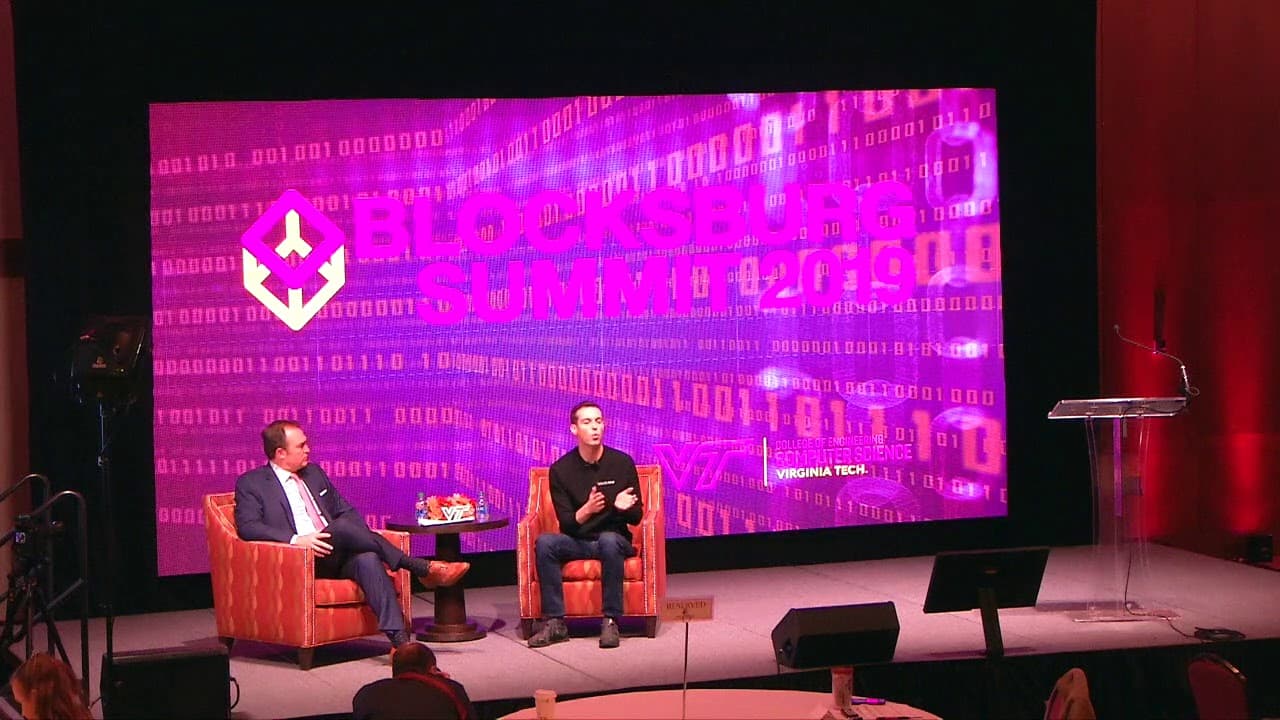
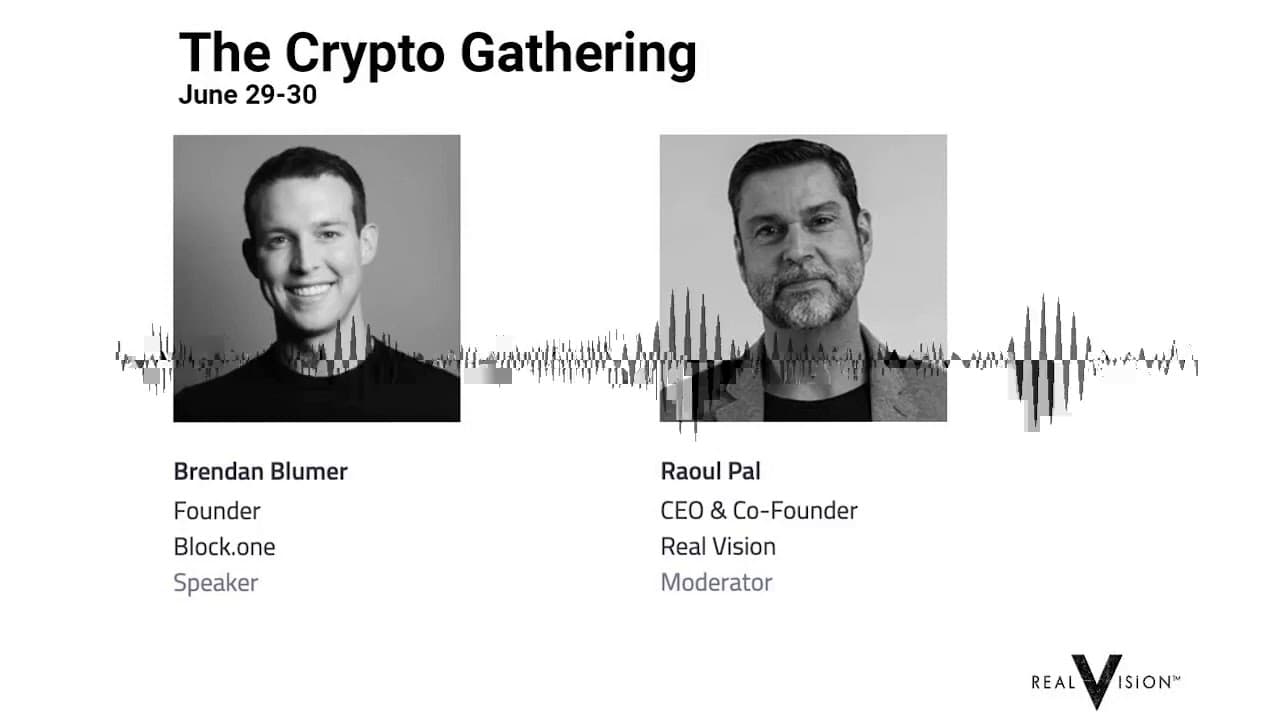
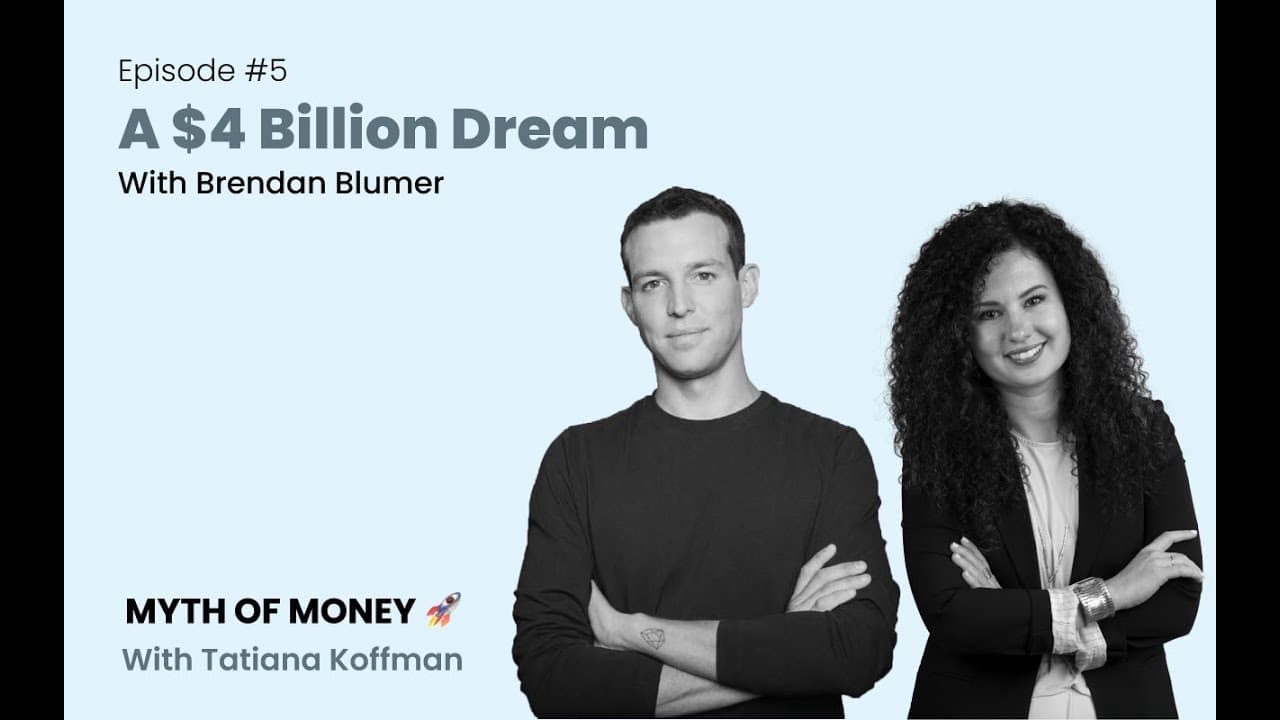
Brendan Blumer (born on August 8, 1986) is an American-born, Hong Kong–based technology entrepreneur and the co-founder and CEO of Block.one, the company behind the EOSIO blockchain platform and the EOS coin.[3] He is also the chairman and a major shareholder of Bullish, a cryptocurrency exchange that went public in New York in August 2025.[22][23] Before focusing on blockchain, Blumer founded online gaming and real estate ventures including Gamecliff and The Accounts Network, which sold virtual items for MMORPGs, and the Hong Kong property agency Okay.com and India-focused real estate listings platform ii5.[4][5][11][12] In 2019, Block.one settled U.S. Securities and Exchange Commission charges that its EOS ICO constituted an unregistered securities offering, agreeing to a cease-and-desist order and a $24 million civil penalty without admitting or denying the findings.[24][25] Blumer later made a high-profile equity investment in cryptocurrency bank Silvergate Capital, becoming its largest shareholder before Block.one exited the stake in March 2023, with reports estimating that he personally lost at least $74 million as the bank collapsed.[9][13][15]
Early Life
Blumer was born and raised in Cedar Rapids, Iowa. At the age of 15, he developed a website named Gamecliff (stylized as GaMeCliff), which sold virtual assets like avatars, weapons, and houses for MMORPGs (Massively Multiplayer Online Role-playing Games) like EverQuest and World of Warcraft.[4] Blumer later moved to Hong Kong in 2005 and relinquished his United States citizenship in 2020, according to regulatory filings.[23]
Career
In 2001, Brendan Blumer founded Gamecliff, a website that sold virtual assets. In 2005, the company was acquired by IGE (Internet Gaming Entertainment), owned by Brock Pierce. After the acquisition, the company relocated to Hong Kong to oversee Gamecliff's operations.[4][5]
In 2007, Blumer founded The Accounts Network, a company that sold in-game MMORPG avatars and reached more than $1 million monthly in revenues.[5]
In 2009, Brendan Blumer launched Okay.com,[11] a Hong Kong-based property agency and data-sharing platform for real estate brokers. In 2011, Okay.com merged with the real estate company Asia Pacific Properties, a residential brokerage firm.[5][6]
In 2013, Brendan founded ii5,[12] a company also focused on real estate and dedicated to real estate listings in India.[1][12]
Block.one
In 2016, Brendan Blumer met Dan Larimer, and together they founded Block.one. Block.one is a company that creates decentralized applications and offers open-source software that enables building decentralized applications on top of the EOS blockchain. In June 2017, the company launched its initial coin offering (ICO) and raised over $4 billion by offering EOS tokens to the public. [1][3]
As the CEO of Block.one, Brendan is responsible for developing the company's core technology, building strategic partnerships, and expanding into new markets. He also oversees the development of products and services for Block.one.[3]
Regulatory Actions and Criticism
In September 2019, the U.S. Securities and Exchange Commission (SEC) found that Block.one’s year-long EOS ICO, conducted from June 2017 to June 2018, was an unregistered securities offering that raised the equivalent of several billion dollars through the sale of ERC-20 tokens and violated Sections 5(a) and 5(c) of the Securities Act of 1933.[24] Block.one agreed to a settlement in which, without admitting or denying the SEC’s findings, it consented to a cease-and-desist order against future violations of those provisions and payment of a $24 million civil penalty.[24][25]
The settlement applied to the original ERC-20 token sold during the ICO and did not require the registration of the EOS token that replaced it when the network launched.[25] Commentators noted that the $24 million penalty amounted to about 0.58 percent of the roughly $4.1 billion raised, an outcome that drew criticism from observers who viewed the sanction as comparatively small, while others saw the action as providing additional regulatory clarity around token sales.[25][26]
Block.one, Blumer, and other executives have also been named as defendants in investor class-action lawsuits in U.S. courts alleging that EOS tokens were sold as unregistered securities in violation of federal and state securities laws, and seeking rescission and damages on behalf of token purchasers.[27] These cases challenge the legality of the token sale and raise broader questions about how securities laws apply to large-scale digital asset offerings.[27]
Bullish
Bullish, a subsidiary of Block.one, is a cryptocurrency exchange that was launched in 2021 with the backing of billionaire investor Peter Thiel and hedge fund managers Alan Howard and Louis Bacon. Brendan Blumer serves as the Chairman of the company. [16][17]
In a December 22, 2022 announcement, Bullish said it had reached a mutual agreement with Far Peak Acquisition Corporation, (NYSE: FPAC), a special purpose acquisition company, to no longer merge in a deal that would have seen it listed on the New York Stock Exchange. Bullish Chair Brendan Blumer cited the United States Securities and Exchange Commission’s (SEC) in the company's decision not to move forward:
“Our quest to become a public company is taking longer than expected, but we respect the SEC’s ongoing work to lay new digital asset frameworks and clarify industry-specific disclosure and accounting complexities.”[18]
The original special-purpose acquisition company (SPAC) deal in July 2021 specified that either company would have the right to terminate the agreement if transactions weren’t in order by Dec. 31, 2022.[19]
“Given the time constraints and market conditions, Far Peak does not intend to seek a new merger partner and will instead focus on winding up either on March 7, 2023 or sooner if practicable,” said Bullish.[19]
Bullish later pursued a traditional initial public offering, going public in New York in August 2025 and raising about $1.1 billion at a roughly $5.4 billion valuation.[23] The listing made Blumer a billionaire on paper, with an estimated 30.1% stake worth about $2.8 billion at the time, while Bullish operated as a cryptocurrency exchange serving multiple jurisdictions, offering spot, margin, and derivatives trading under CEO Tom Farley, with Blumer as chairman and a significant shareholder.[23]
Bullish Acquires Coindesk
On November 20, 2023, Bullish Global, the parent company of Bullish completed the acquisition of CoinDesk, a digital media company that focuses on the blockchain and cryptocurrency industries. Bullish bought 100% of CoinDesk from crypto-focused investor Digital Currency Group (DCG) in an all-cash deal. Financial terms of the deal were not disclosed.[20][21]
Silvergate investment
Brendan Blumer bought 9.3% of cryptocurrency bank Silvergate Capital (SI),[7] while Block.one bought an additional 7.5%, according to Securities and Exchange Commission (SEC) documents filed on November 23, 2022. The purchase made Blumer the largest shareholder of Silvergate.[9][10]
In March 2023, Block.one sold and exited its entire equity position in Silvergate Capital Corp (NASDAQ: SI) after Silvergate Bank failed to file its annual report on time.[13][14]
Blumer lost at least $74 million personally after Silvergate Bank collapsed, having spent over $90 million to buy 9.27% of Silvergate stock.[15]
See something wrong?
Wiki Powered byIQ

Categories
Tags
Verification
Events
Views
8,702
Categories
Tags
Verification
Events
Views
8,702
Average Rating
No ratings yet, be the first to rate!
How was your experience?
Give this wiki a quick rating to let us know!
Edited By
On September 11, 2026. 17:04 UTC
Edit summary:
Expand Brendan Blumer summary; update timeline and tags