0% read
Last updated:
Jinglan Wang
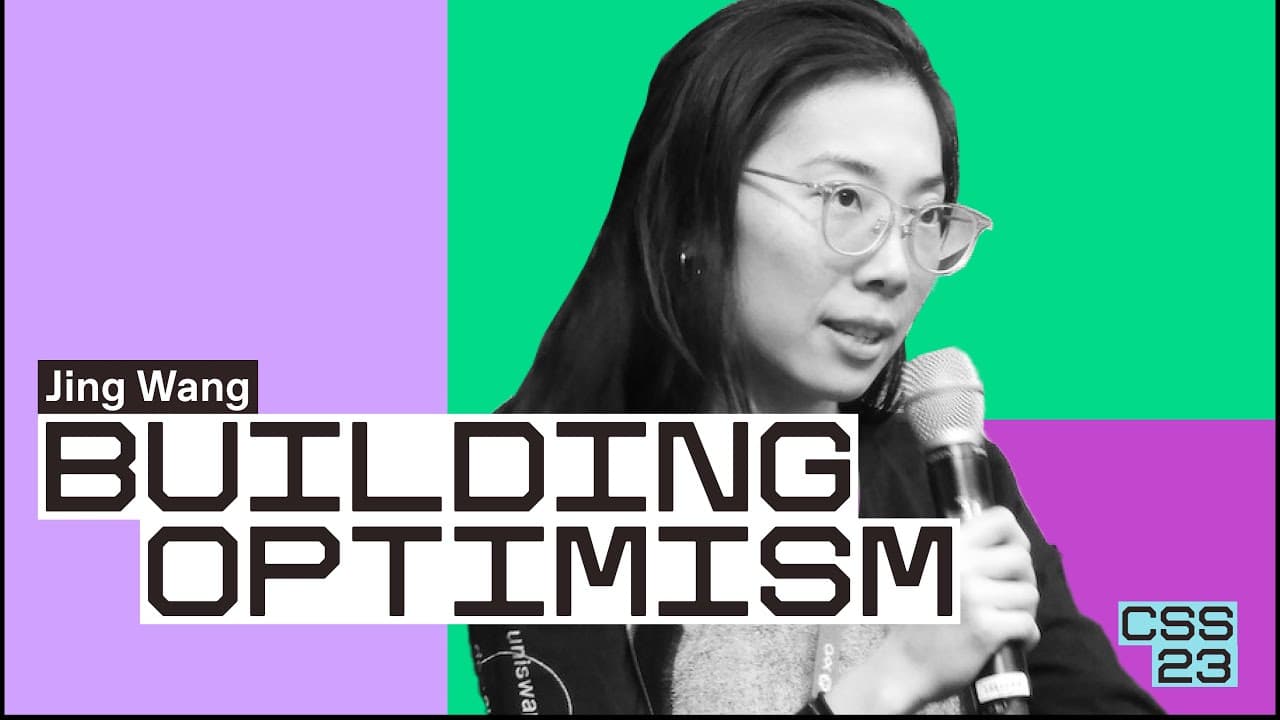
Jinglan Wang is a co-founder of Optimism, a blockchain-based protocol designed to facilitate the development and deployment of decentralized applications (dApps) on the Ethereum network, which she co‑founded in 2019.[5] She has held multiple leadership positions in the Optimism ecosystem, including co-founder and CEO of Optimism PBC, executive director of the Optimism Foundation, and, as of 2026, CEO of OP Labs PBC, the public-benefit company responsible for Optimism’s core protocol development and ecosystem growth.[5][6][7]
Career
Education & Early Career
Wang was the Executive Director of the Blockchain Education Network, a global student network focused on blockchain education. She started her crypto journey through the MIT Bitcoin Club. [1]
In a 2020 profile in The Fintech Times, Wang stated, “The goal is two-pronged for us: the first is to learn, develop, and evangelize blockchain technology. The second is to build strong flourishing communities by promoting technological literacy with decentralized technologies”.[2]
She studied art and computer science at Wellesley College, but eventually, she dropped out and started her own company called Eximchain. After leaving the company before their ICO, she participated in the IDEO blockchain fellowship, which was sponsored by NASDAQ, and subsequently joined NASDAQ as a product manager for its blockchain projects.[4]
After embracing Bitcoin maximalism, Jinglan Wang was introduced to the Ethereum community by Vitalik Buterin, which sparked her interest in this blockchain technology. Subsequently, she relocated to San Francisco to collaborate with Joseph Poon on Handshake, a decentralized naming system project.[4]
Optimism
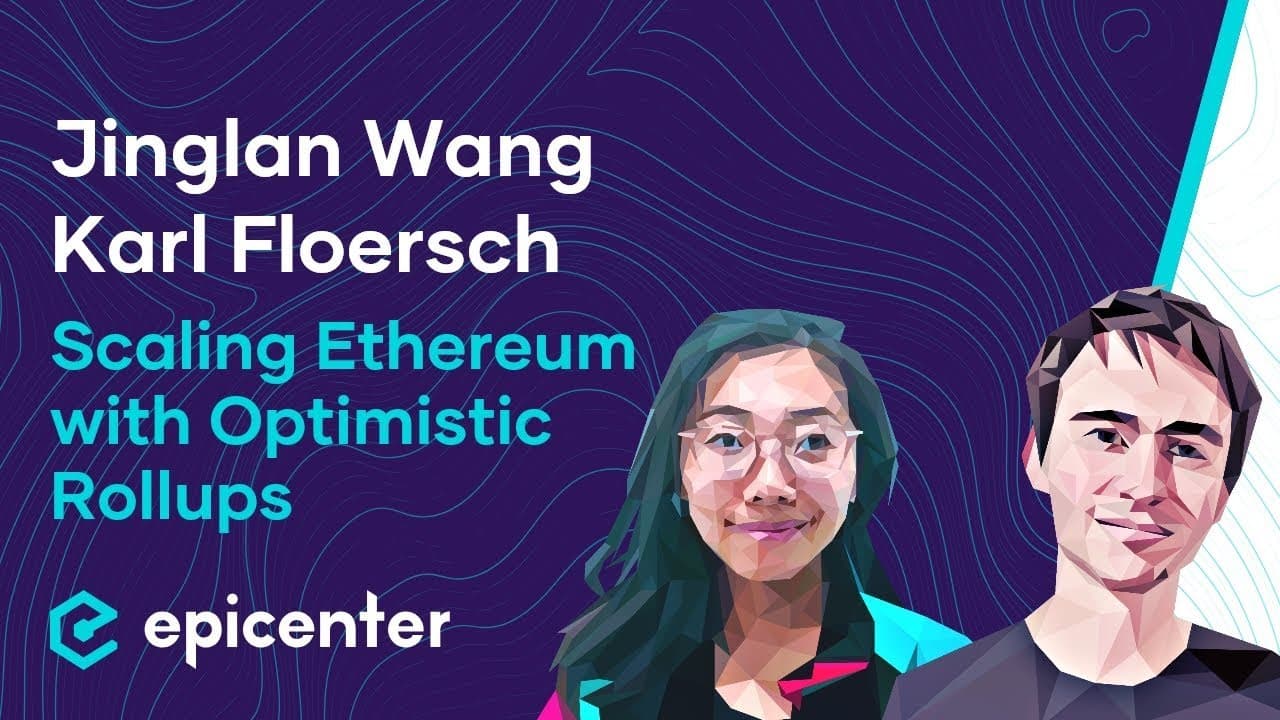
Jinglan Wang began her involvement in Plasma, now Optimism, by participating in the Cryptoeconomics.Study course alongside Karl Floersch, which is now overseen by Kevin Ho. While working on the course, specifically on the plasma chapter, she realized the concept seemed relatively straightforward and questioned why it had not been implemented yet. Although she was initially unaware of ongoing implementation efforts, the team, including Jinglan, Karl Floersch, Ben Jones, and Kelvin Fichter (no longer involved in the project), took the initiative and independently started working on building Plasma.[4]
In 2018, Jinglan Wang co-founded Optimism, a layer-2 scaling solution aimed at addressing scalability concerns on the Ethereum blockchain. Optimism provides developers with a platform to construct and release dApps on Ethereum.[3]
As CEO of the nonprofit research collective Plasma Group, Wang helped lead early work on Ethereum scalability focused on plasma and later optimistic rollup designs.[8] In December 2019, Plasma Group shut down as a nonprofit, donated its remaining reserves to Gitcoin, and the team founded Optimism as a for‑profit public benefit corporation, Optimism PBC, backed by funding from Paradigm and IDEO to pursue optimistic rollup implementation.[8][6] In April 2022 Optimism PBC rebranded as OP Labs PBC, and governance responsibilities were separated into a new sister entity, the Optimism Foundation, which stewards the Optimism Collective.[6][7] Wang has held leadership roles across this structure, including co‑founder and CEO of Optimism PBC, executive director and CEO of the Optimism Foundation, and later CEO of OP Labs PBC overseeing protocol development and ecosystem strategy.[5][6][7]
During this period, Optimism evolved into a broader ecosystem built on the OP Stack, a modular optimistic rollup framework used to create a multi‑chain “Superchain” of interconnected layer‑2 networks.[5] Major institutions and projects have used the OP Stack to launch their own chains, including Coinbase’s Base, Uniswap’s Unichain, Worldcoin’s Worldchain, Sony’s Soneium, and Kraken’s Ink, alongside other enterprise and financial partners.[7][5] Key protocol milestones during this period included upgrade cycles such as Bedrock and Ecotone, aimed at improving performance, costs, and Ethereum compatibility, and a strategic shift toward OP Enterprise, a product line designed to help financial institutions and other organizations deploy customized OP Stack chains.[5]
In March 2026, OP Labs laid off 20 employees as part of a restructuring that Wang described as a narrowing of workstreams rather than a response to financial pressure.[9] In an internal message later shared publicly, she emphasized that OP Labs remained well capitalized with multiple years of runway and framed the changes as intended to reduce coordination overhead and allow the team to focus on fewer initiatives executed more effectively.[9]
See something wrong?
Wiki Powered byIQ

Categories
Tags
Verification
Events
Views
2,703
Categories
Tags
Verification
Events
Views
2,703
Average Rating
Based on over 1 ratings
How was your experience?
Give this wiki a quick rating to let us know!
Edited By
On September 9, 2026. 15:48 UTC
Edit summary:
Expand Jinglan Wang summary by 344 words and update timeline