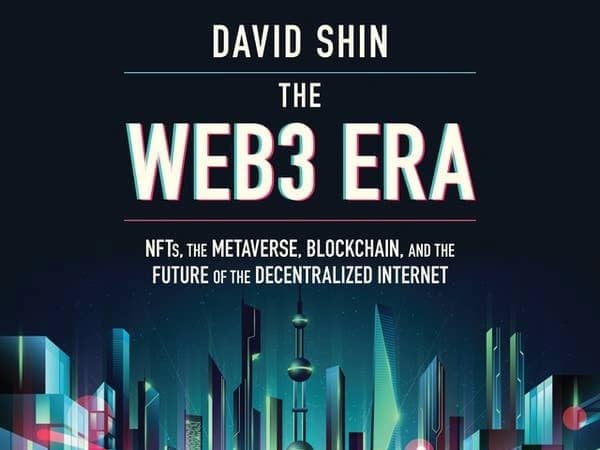
The Web3 Era
The Web3 Era: NFTs, the Metaverse, Blockchain, and the Future of the Decentralized Internet is a non-fiction book by finance and technology expert Dave Shin. Published in 2023 by Wiley, the book explores the long-term use cases and societal implications of emerging Web3 technologies, connecting historical patterns in global trade and human progress to the development of the decentralized internet. [1] [2]
Overview
The Web3 Era presents an analysis of the future of technology, finance, and digital interaction through the lens of Web3. The book’s central thesis explains that technologies such as blockchain, non-fungible tokens (NFTs), and decentralized autonomous organizations (DAOs) are creating the foundation for a new, decentralized internet governed by its users. Author Dave Shin examines these technologies not as speculative assets, but as foundational elements for a new economic and social framework. [2]
The book argues that blockchain technology will serve as the fundamental engine for the metaverse economy, transitioning the web from a centralized model to a decentralized network for free trade and social interaction. It explores the challenges and opportunities for legacy institutions and central powers as they adapt to this new digital landscape, contrasting the perceived struggle of Western powers with the rapid adoption of digital currencies in the East. [1] [3]
The intended audience includes business leaders, executives, investors, finance professionals, technology enthusiasts, and individuals interested in new systems of governance. The book aims to provide a resource for those looking to understand the long-term implications of Web3 and prepare for its integration into various industries. [2]
The book was released in 2023 in hardcover, e-book, and audiobook formats. [2] [3]
Key Themes and Concepts
The book covers a range of interconnected topics central to the Web3 thesis. [2] [1]
- Decentralized Governance: Explores the rise of Decentralized Autonomous Organizations (DAOs) as "new-age tribes" that function as a new system of consensus-driven governance for digital communities and organizations. [2]
- Digital Economy and Finance: Discusses the potential for establishing a "smart treasury" within a digital economy. It also examines the convergence of metaverse infrastructure with decentralized finance (DeFi) to create a virtual world of open finance. [1]
- Identity and Reputation: Investigates the concept of "Soulbound" tokens—non-transferable digital tokens—as a foundation for digital identity. This theme extends to the role of reputation tokens in facilitating decentralized trade and social interactions. [2]
- Geopolitics and Finance: The book analyzes major economic trends, including the development of Central Bank Digital Currencies (CBDCs) and their data collection implications. It covers the concept of "de-dollarization," the fall of the petrodollar, and the potential for a "New Bretton Woods" agreement in the digital era. A significant focus is placed on the rising influence of the Global South, particularly Africa as the "last digital frontier." [2]
- The Metaverse: The author looks beyond speculative NFT projects to discuss the creation of a meaningful and economically productive metaverse, powered by blockchain technology. [2]
- Industry Case Studies: It provides analysis of major events in the cryptocurrency industry, such as the collapse of Terra LUNA and the fall of the FTX exchange, using them as case studies to distinguish between unsustainable speculation and foundational building. [2]
- Klaytn Blockchain: A dedicated chapter reflects on the author's journey and experiences with the Klaytn ecosystem, covering its goals for interoperability, technical specifications like transactions per second (TPS), and its governance model. [2]