Taiyang Zhang
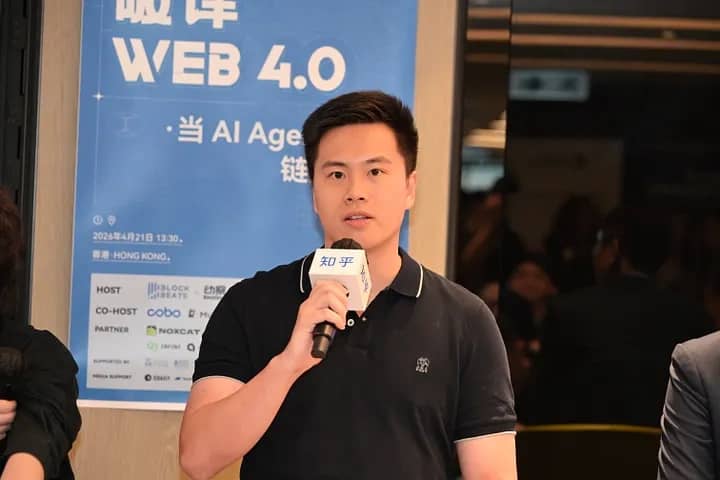
Taiyang Zhang 是一位澳大利亚连环创业家,他是 Ren Protocol 的联合创始人,并与 Alameda Research 和 KeeperDAO 有着密切联系。
精选2 mins read
探索关于区块链、去中心化金融和 Web3 的顶级文章合集 - 由行业顶尖专家和教育者精心策划,由我们著名的 AI 编辑 SOPHIA 实时核查和更新
使用 IQ 代币参与 IQ.wiki 和 IQ 生态系统的治理。
按市值探索每一项主要资产——每个项目、创始人和生态系统都有深度维基文章支撑。
查看全部精选行业领袖人物、项目与前沿理念的深度洞察 — 由 Sophia 每日策划。
Taiyang Zhang 是一位澳大利亚连环创业家,他是 Ren Protocol 的联合创始人,并与 Alameda Research 和 KeeperDAO 有着密切联系。

Jeff Yan 是 Hyperliquid 的联合创始人兼公开代表,Hyperliquid 是一个建立在自定义 Layer-1 区块链上的去中心化交易所。

Gracy Chen 是 Bitget 的首席执行官。Bitget 是一家总部位于塞舌尔的“全能交易所”(UEX),结合了加密货币和代币化的传统资产。她曾担任电视节目主持人、初创公司创始人和天使投资人。

Asheesh Birla 是 Evernorth 的创始人兼首席执行官,Evernorth 是一家总部位于加利福尼亚州旧金山、专注于 XRP 的数字资产财务管理公司。

Marko Jurina 是一位技术高管和企业家,现任 Jumper Exchange 的首席执行官。Jumper Exchange 是一款从 LI.FI 拆分出来的跨链加密应用。在此之前,他曾在销售、营销和跨链聚合领域担任过多个职位。

Koray Kavukcuoglu 是一位人工智能研究员和高管,现任 Google DeepMind 高级副总裁兼 Google 首席 AI 架构师。他负责监督 Gemini 模型开发、前沿 AI 研究、Gemini 应用及开发者团队。
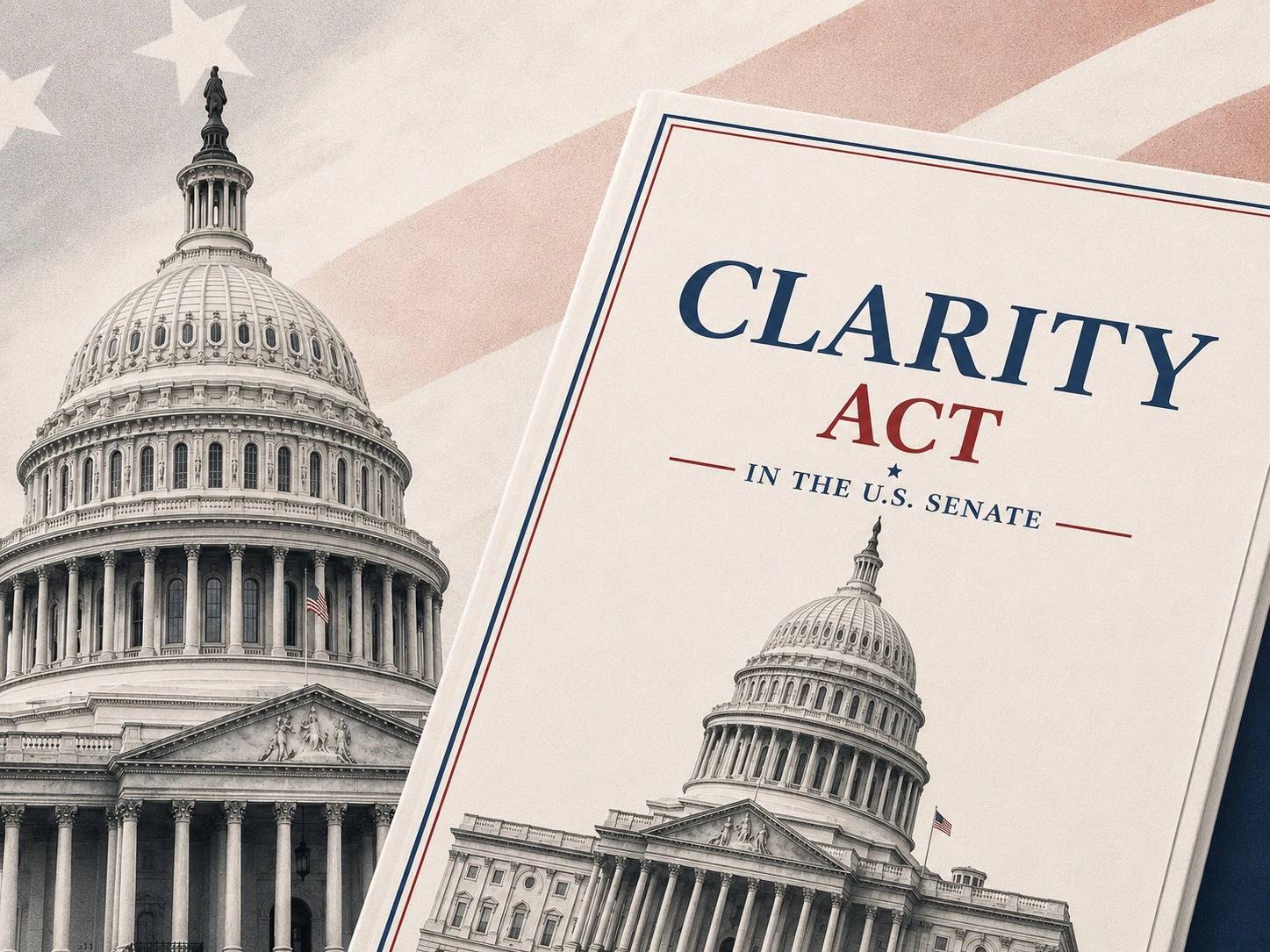
《CLARITY 法案》是一项拟议的美国法案,旨在为数字资产建立联邦市场结构框架,将监管职责分配给美国证券交易委员会(SEC)和商品期货交易委员会(CFTC),并为交易所、托管和披露设定规则。

Evernorth 是一家数字资产财务公司,旨在为公开市场投资者提供受监管的 XRP 敞口,并致力于通过积极的财务和资本市场策略实现每股 XRP 的增长。

Ryan Yoon 是 Tiger Research 的研究主管、现实世界资产(RWA)及稳定币分析师,也是可验证金融和基于零知识证明(ZKP)的交易所架构研究作者。

Thibault Sottiaux 是一位比利时软件工程师和产品负责人,以领导 OpenAI 的 Codex 项目并负责 OpenAI 核心产品而闻名。他拥有比利时鲁汶大学(UCLouvain)的理学学士和理学硕士学位。
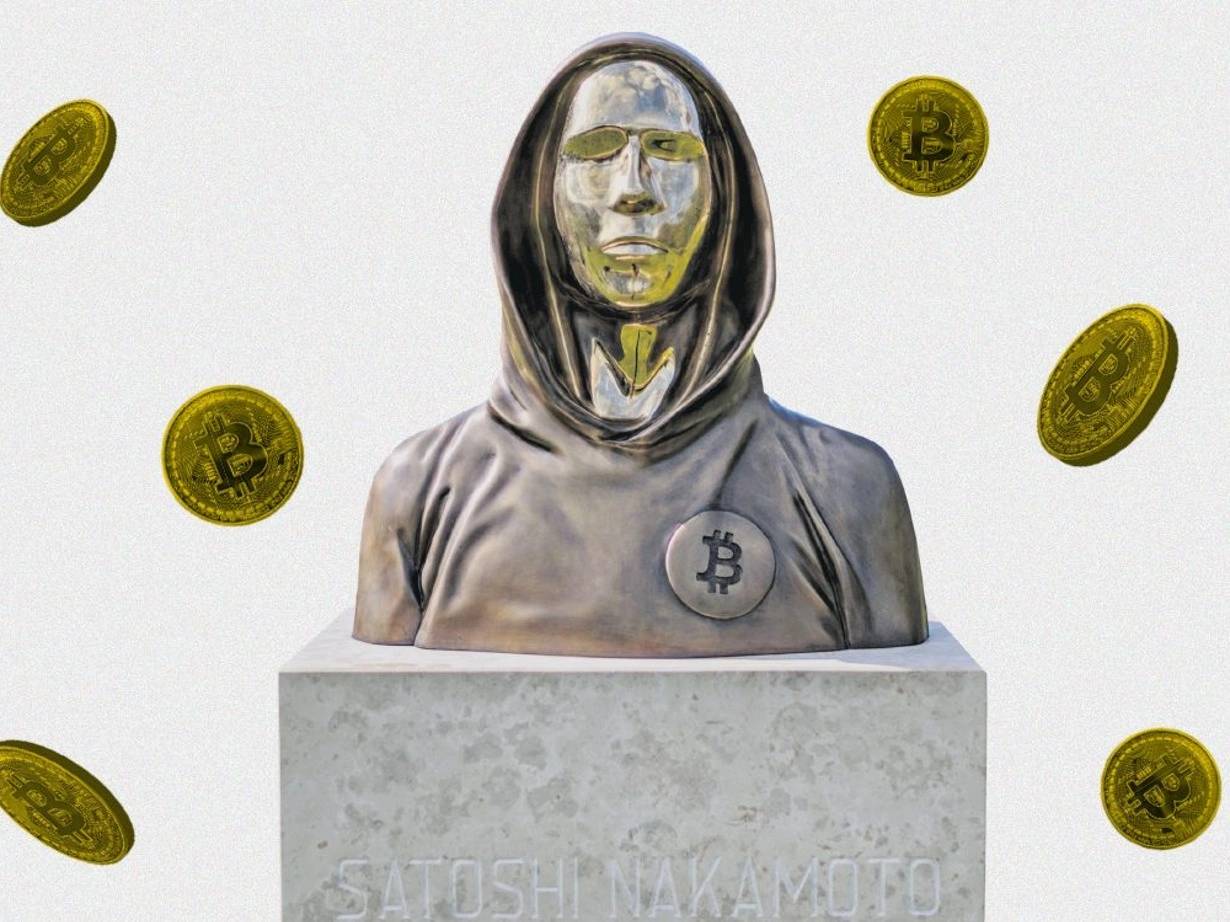
中本聪(Satoshi Nakamoto)是比特币和第一个区块链数据库的匿名创建者,据推测他拥有约100万枚比特币。
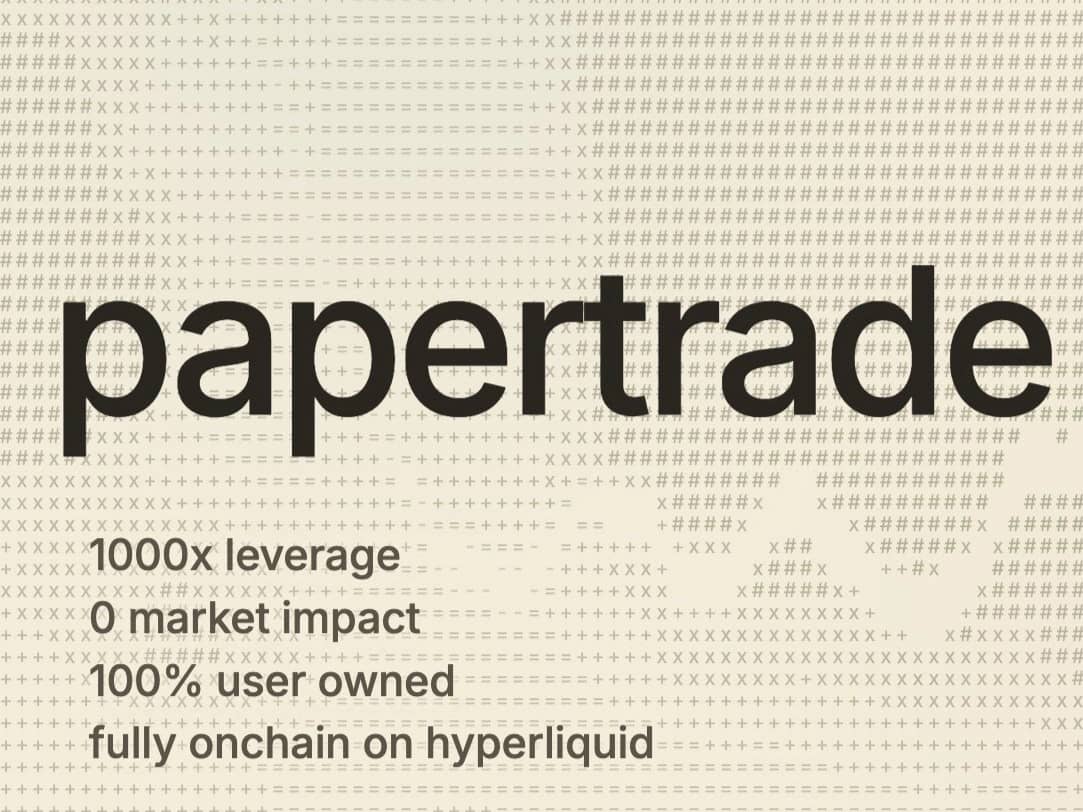
Papertrade 是 Hyperliquid 的 HyperEVM 上的一家合成永续合约交易所,它利用 Hyperliquid 的 BBO 中间价与单一流动性提供者(LP)进行交易结算。该项目自称具有 1000 倍杠杆、零滑点、无资金费率,并推出了公平启动的 PAPER 代币。

MAGNE.AI 是一个项目与协议平台,致力于构建移动原生区块链和边缘 AI 平台。它结合了设备硬件、设备端 AI 以及 Layer1/Layer2 网络,以实现链上 AI 计算、设备身份识别和代币化激励。
Ren Protocol 是一个去中心化金融平台,支持将比特币等数字资产跨链转移到以太坊上,以便访问 DeFi 产品。
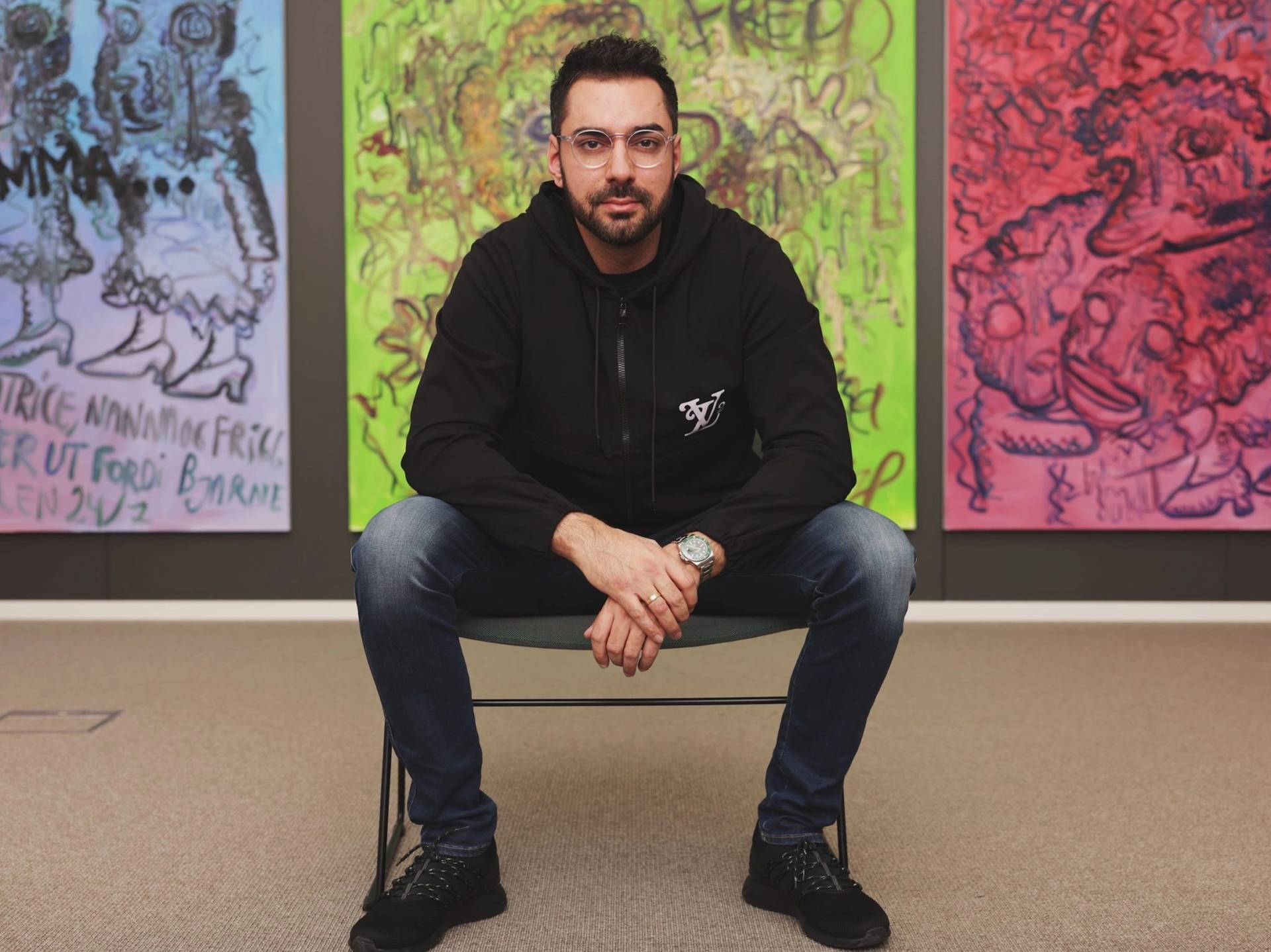
Sam Farao(1988年1月7日出生)是一位挪威企业家和公司创始人,以在联盟营销、金融科技和区块链领域的创业而闻名,其中包括 Banqr、Coinweb.com 以及 Lightbulb Man NFT 项目。
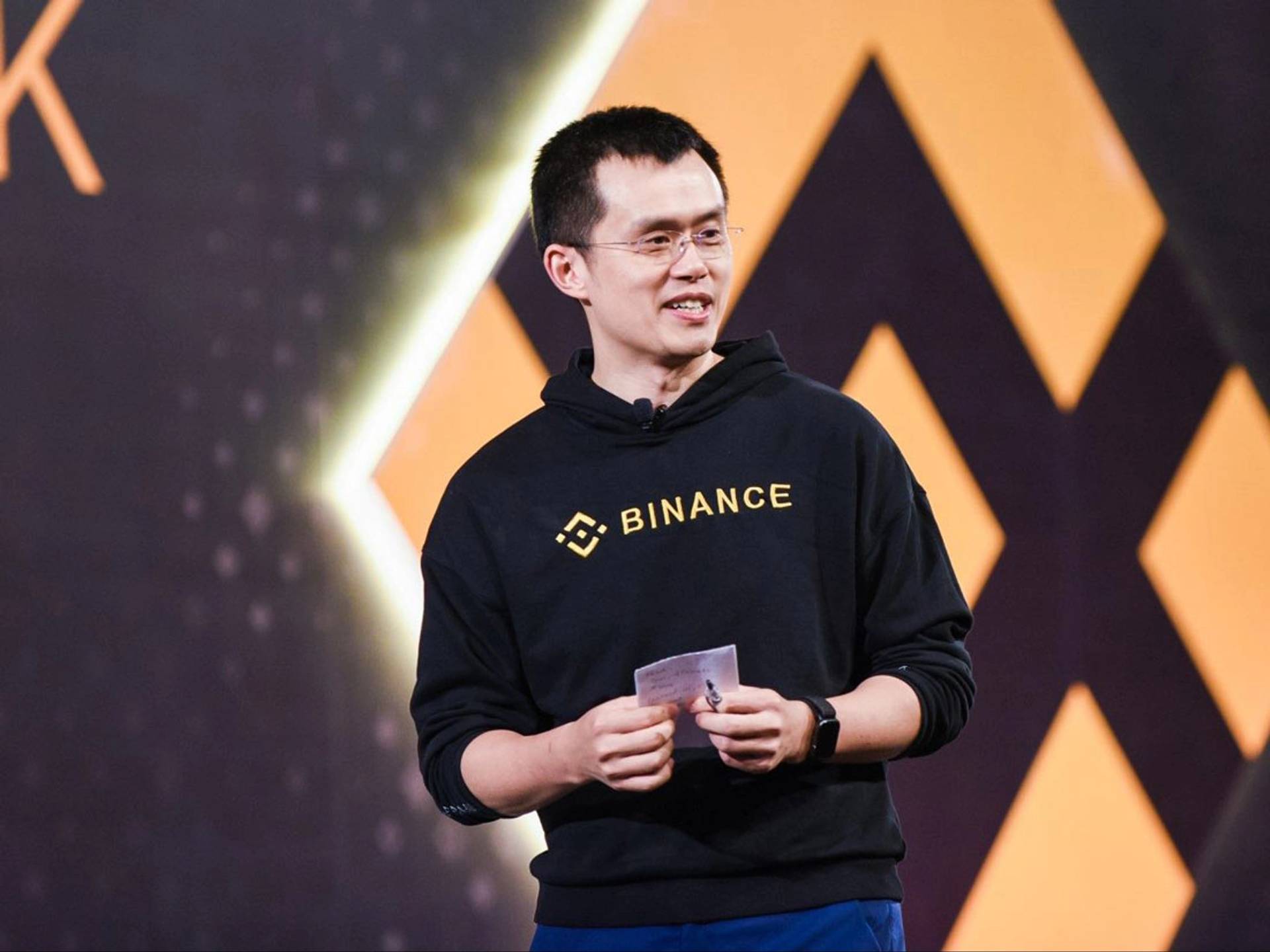
赵长鹏(CZ)是一位华裔加拿大企业家,以币安(Binance)的创始人及前首席执行官而闻名,随后作为投资者、慈善家以及 Giggle Academy 等教育倡议的创始人活跃于业界。

Anatoly Yakovenko 是一位乌克兰裔美国软件工程师和企业家,Solana 区块链的联合创始人兼 Solana Labs 的首席执行官。他此前曾就职于 Qualcomm、Mesosphere 和 Dropbox。
Quant Network 是一个面向机构和企业的区块链互操作性和可编程货币平台。其技术栈连接了多个公共和许可账本,并使用固定供应量的 QNT ERC-20 实用代币进行访问和授权。
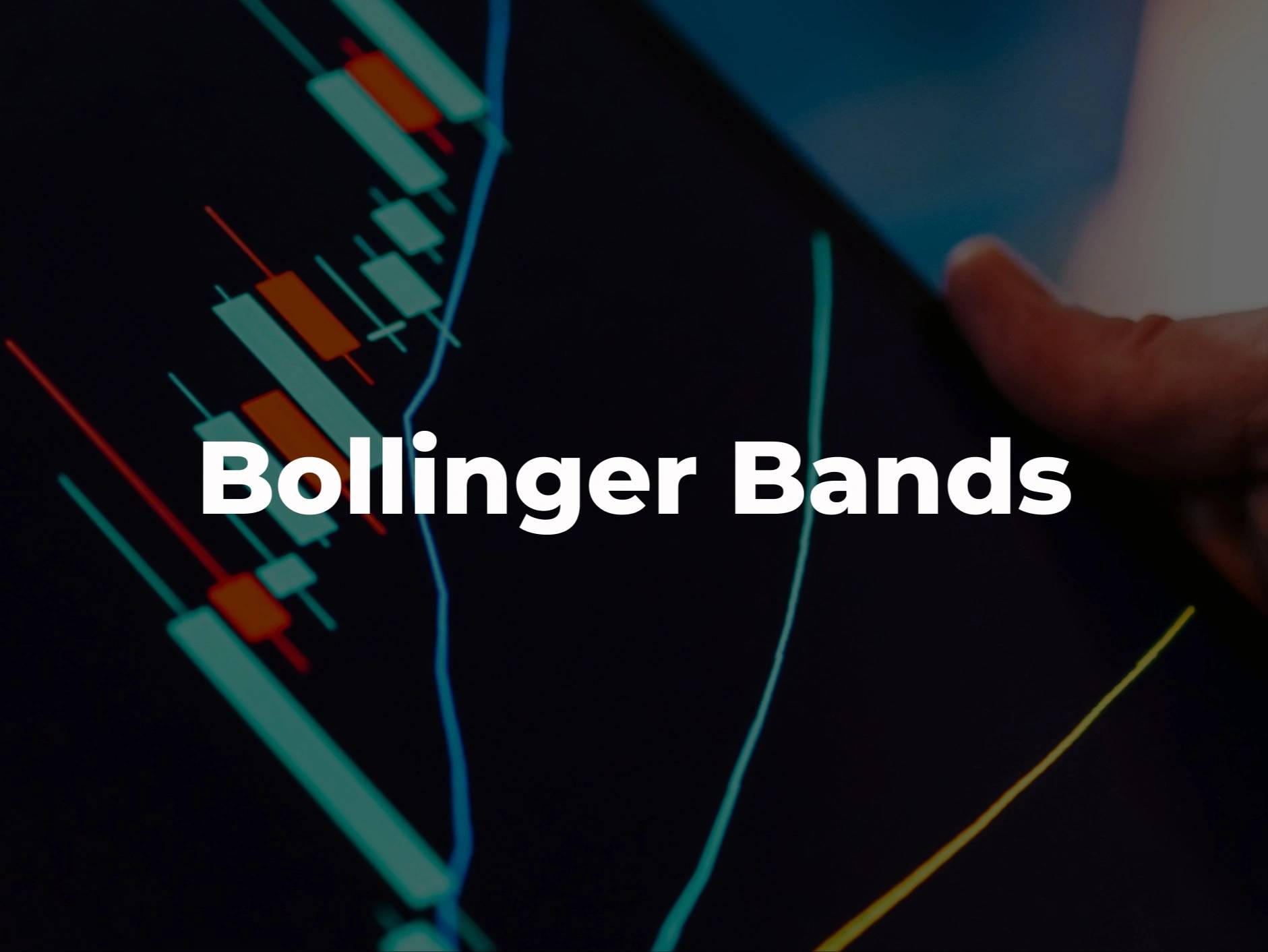
布林线(Bollinger Bands)是一个术语表词条,描述了一种由三条线(上轨、中轨 SMA、下轨)组成的技术分析指标,用于衡量价格的相对高低点和市场波动性。

德莱顿·布朗(Dryden Brown)是一位美国企业家、蒂尔奖学金获得者,也是 Praxis 的联合创始人兼首席执行官。Praxis 是一个由风险投资支持的“数字国家”项目,旨在通过在线社区和经济特区式的治理模式建立一个新的城邦。
UsePaid 是一个加密货币费用桥接协议,它将符合条件的代币创作者费用通过 X Money 路由至指定的 X 账户,向接收者支付 80% 的美元,并将其余 20% 用于购买并销毁 $PAID 代币。
Variational 是 Arbitrum 上的链上衍生品协议,支持加密货币、股票、大宗商品和外汇的永续合约、期权及其他衍生品的点对点交易、清算和结算。
SHOPINX (SPX) 是一种加密资产,是 BNB Chain 上供应量固定的 BEP-20 实用型代币,用作 ShopinX 生态系统及其 GoBenefits 代金券市场的访问和结算代币。

NetNet Capital 是一家发行 NET 的机构。NET 是一种在 Robinhood Chain 上交易的储备支持型基金工具,该机构经营质押、借贷、代币化股票产品以及链上游戏。

Nosh 是一个项目兼协议,提供了一个模因币(memecoin)启动平台。该平台将代币与 NFT 系列配对,并将创作者费用引导至购买地板价 NFT,随后根据固定的启动政策将这些 NFT 空投给持有者或进行销毁。
STONK 是 StonkFun 的原生 Solana 实用型代币。StonkFun 是一个代币发行平台,允许用户针对代币化股票(xStocks)和主流山寨币发行固定供应量的代币,并利用平台部分交易手续费进行 STONK 的回购与销毁。

Musebook 是一个以 AI 智能体为核心的实验性社交平台,被描述为“缪斯的城镇”。在这里,具名的 AI 助手公开进行发布和交流供人类观察。该平台与社区发行的 $MUSEBOOK 模因币以及名为“玻璃银行”(Glass Bank)的链上国库相关联。
Taiyang Zhang 是一位澳大利亚连环创业家,他是 Ren Protocol 的联合创始人,并与 Alameda Research 和 KeeperDAO 有着密切联系。
Jeff Yan 是 Hyperliquid 的联合创始人兼公开代表,Hyperliquid 是一个建立在自定义 Layer-1 区块链上的去中心化交易所。
Gracy Chen 是 Bitget 的首席执行官。Bitget 是一家总部位于塞舌尔的“全能交易所”(UEX),结合了加密货币和代币化的传统资产。她曾担任电视节目主持人、初创公司创始人和天使投资人。
Asheesh Birla 是 Evernorth 的创始人兼首席执行官,Evernorth 是一家总部位于加利福尼亚州旧金山、专注于 XRP 的数字资产财务管理公司。
Marko Jurina 是一位技术高管和企业家,现任 Jumper Exchange 的首席执行官。Jumper Exchange 是一款从 LI.FI 拆分出来的跨链加密应用。在此之前,他曾在销售、营销和跨链聚合领域担任过多个职位。
Koray Kavukcuoglu 是一位人工智能研究员和高管,现任 Google DeepMind 高级副总裁兼 Google 首席 AI 架构师。他负责监督 Gemini 模型开发、前沿 AI 研究、Gemini 应用及开发者团队。
《CLARITY 法案》是一项拟议的美国法案,旨在为数字资产建立联邦市场结构框架,将监管职责分配给美国证券交易委员会(SEC)和商品期货交易委员会(CFTC),并为交易所、托管和披露设定规则。
Evernorth 是一家数字资产财务公司,旨在为公开市场投资者提供受监管的 XRP 敞口,并致力于通过积极的财务和资本市场策略实现每股 XRP 的增长。
Ryan Yoon 是 Tiger Research 的研究主管、现实世界资产(RWA)及稳定币分析师,也是可验证金融和基于零知识证明(ZKP)的交易所架构研究作者。
Thibault Sottiaux 是一位比利时软件工程师和产品负责人,以领导 OpenAI 的 Codex 项目并负责 OpenAI 核心产品而闻名。他拥有比利时鲁汶大学(UCLouvain)的理学学士和理学硕士学位。
中本聪(Satoshi Nakamoto)是比特币和第一个区块链数据库的匿名创建者,据推测他拥有约100万枚比特币。
Papertrade 是 Hyperliquid 的 HyperEVM 上的一家合成永续合约交易所,它利用 Hyperliquid 的 BBO 中间价与单一流动性提供者(LP)进行交易结算。该项目自称具有 1000 倍杠杆、零滑点、无资金费率,并推出了公平启动的 PAPER 代币。
MAGNE.AI 是一个项目与协议平台,致力于构建移动原生区块链和边缘 AI 平台。它结合了设备硬件、设备端 AI 以及 Layer1/Layer2 网络,以实现链上 AI 计算、设备身份识别和代币化激励。
Ren Protocol 是一个去中心化金融平台,支持将比特币等数字资产跨链转移到以太坊上,以便访问 DeFi 产品。
Sam Farao(1988年1月7日出生)是一位挪威企业家和公司创始人,以在联盟营销、金融科技和区块链领域的创业而闻名,其中包括 Banqr、Coinweb.com 以及 Lightbulb Man NFT 项目。
赵长鹏(CZ)是一位华裔加拿大企业家,以币安(Binance)的创始人及前首席执行官而闻名,随后作为投资者、慈善家以及 Giggle Academy 等教育倡议的创始人活跃于业界。
Anatoly Yakovenko 是一位乌克兰裔美国软件工程师和企业家,Solana 区块链的联合创始人兼 Solana Labs 的首席执行官。他此前曾就职于 Qualcomm、Mesosphere 和 Dropbox。
Quant Network 是一个面向机构和企业的区块链互操作性和可编程货币平台。其技术栈连接了多个公共和许可账本,并使用固定供应量的 QNT ERC-20 实用代币进行访问和授权。
布林线(Bollinger Bands)是一个术语表词条,描述了一种由三条线(上轨、中轨 SMA、下轨)组成的技术分析指标,用于衡量价格的相对高低点和市场波动性。
德莱顿·布朗(Dryden Brown)是一位美国企业家、蒂尔奖学金获得者,也是 Praxis 的联合创始人兼首席执行官。Praxis 是一个由风险投资支持的“数字国家”项目,旨在通过在线社区和经济特区式的治理模式建立一个新的城邦。
UsePaid 是一个加密货币费用桥接协议,它将符合条件的代币创作者费用通过 X Money 路由至指定的 X 账户,向接收者支付 80% 的美元,并将其余 20% 用于购买并销毁 $PAID 代币。
Variational 是 Arbitrum 上的链上衍生品协议,支持加密货币、股票、大宗商品和外汇的永续合约、期权及其他衍生品的点对点交易、清算和结算。
SHOPINX (SPX) 是一种加密资产,是 BNB Chain 上供应量固定的 BEP-20 实用型代币,用作 ShopinX 生态系统及其 GoBenefits 代金券市场的访问和结算代币。
NetNet Capital 是一家发行 NET 的机构。NET 是一种在 Robinhood Chain 上交易的储备支持型基金工具,该机构经营质押、借贷、代币化股票产品以及链上游戏。
Nosh 是一个项目兼协议,提供了一个模因币(memecoin)启动平台。该平台将代币与 NFT 系列配对,并将创作者费用引导至购买地板价 NFT,随后根据固定的启动政策将这些 NFT 空投给持有者或进行销毁。
STONK 是 StonkFun 的原生 Solana 实用型代币。StonkFun 是一个代币发行平台,允许用户针对代币化股票(xStocks)和主流山寨币发行固定供应量的代币,并利用平台部分交易手续费进行 STONK 的回购与销毁。
Musebook 是一个以 AI 智能体为核心的实验性社交平台,被描述为“缪斯的城镇”。在这里,具名的 AI 助手公开进行发布和交流供人类观察。该平台与社区发行的 $MUSEBOOK 模因币以及名为“玻璃银行”(Glass Bank)的链上国库相关联。
探索区块链行业的每个角落——从人物和项目到协议和生态系统,所有内容都井然有序,方便您轻松发现。

Zach Walsh 是一位美国金融科技企业家,也是 HIFI 的首席执行官兼联合创始人。HIFI 是一家构建稳定币和基于区块链的支付基础设施及 API 的公司。

Mohamed Afifi 是一位金融服务高管,他是 HIFI 的联合创始人兼首席运营官。HIFI 是一家致力于为数字资产支付和代币化资本市场构建基础设施的公司。

Alex Mashinsky 是一位以色列裔美国技术企业家、风险投资人,也是 Arbinet 和已破产的加密货币借贷平台 Celsius Network 的创始人。
Asheesh Birla 是 Evernorth 的创始人兼首席执行官,Evernorth 是一家总部位于加利福尼亚州旧金山、专注于 XRP 的数字资产财务管理公司。
Marko Jurina 是一位技术高管和企业家,现任 Jumper Exchange 的首席执行官。Jumper Exchange 是一款从 LI.FI 拆分出来的跨链加密应用。在此之前,他曾在销售、营销和跨链聚合领域担任过多个职位。
Gracy Chen 是 Bitget 的首席执行官。Bitget 是一家总部位于塞舌尔的“全能交易所”(UEX),结合了加密货币和代币化的传统资产。她曾担任电视节目主持人、初创公司创始人和天使投资人。

Jackson Palmer 是一位澳大利亚技术专家和营销人员,他是 Dogecoin 的联合创始人,现任 Adobe Cloud 增长与数据科学团队的产品管理高级总监。

Tycho Onnasch 是一位科技与产品高管,他联合创立了 Zest Protocol 和 Deedmob,曾在 Trust Machines/Stacks 和 Treasury 负责比特币基础设施与战略工作,并经常就比特币借贷和金融产品发表专题演讲和文章。
Jeff Yan 是 Hyperliquid 的联合创始人兼公开代表,Hyperliquid 是一个建立在自定义 Layer-1 区块链上的去中心化交易所。

Vedant Mangaldas 是一位战略与品牌高管,最著名的身份是 Pudgy Penguins 的战略与品牌负责人,负责领导营销、政府关系外联及重大广告活动,并担任 Saturn 的战略与品牌顾问。

澳大利亚人工智能研究员和工程师,Thinking Machines Lab 联合创始人,曾任 Meta 和 OpenAI 机器学习系统负责人,自 2026 年起担任 Anthropic 推理与性能团队成员。
Anatoly Yakovenko 是一位乌克兰裔美国软件工程师和企业家,Solana 区块链的联合创始人兼 Solana Labs 的首席执行官。他此前曾就职于 Qualcomm、Mesosphere 和 Dropbox。

Crystal Rose Pierce 是一位技术专家和企业家,她联合创立了区块链通信公司 Make Sense Labs (Sensay)。

埃隆·里夫·马斯克(Elon Reeve Musk,1971年6月28日出生)是一位出生于南非的美国企业家、投资者和商业巨头。他是特斯拉(Tesla)和SpaceX的首席执行官,Neuralink的联合创始人,以及社交媒体平台X(原Twitter)的所有者兼首席技术官。

Bill Zanker 是一位美国商人和企业家,他创立了 The Learning Annex 和多个消费品牌,并协助组织了特朗普品牌的 NFT 和模因币项目。

Luke Dashjr 是一位资深的 Bitcoin Core 开发人员和 BIP 贡献者,他编写了挖矿协议提案,发布了 BFGMiner 软件,创立了 Eligius 矿池,并随后领导了 Ocean 和 CONVOY/Convoy 挖矿项目。

Cortis Ai 是一个项目和协议,为每位经过验证的所有者提供个人 AI 操作员,将其与一组灵魂绑定的专业代理联系起来。该系统具备链下私有记忆,并为行动产物提供每日链上证明。
Musebook 是一个以 AI 智能体为核心的实验性社交平台,被描述为“缪斯的城镇”。在这里,具名的 AI 助手公开进行发布和交流供人类观察。该平台与社区发行的 $MUSEBOOK 模因币以及名为“玻璃银行”(Glass Bank)的链上国库相关联。
Brew 是一个建立在 BNB 智能链上的模因币(memecoin)发行平台,允许创作者直接在 PancakeSwap V3 流动性池中部署新代币,并永久锁定流动性。
Jumper.xyz 是一个基于 LI.FI 构建的多链流动性聚合器 dApp,它利用聚合的桥接和 DEX 流动性,在 50 多个区块链上进行交换和桥接路由。
MAGNE.AI 是一个项目与协议平台,致力于构建移动原生区块链和边缘 AI 平台。它结合了设备硬件、设备端 AI 以及 Layer1/Layer2 网络,以实现链上 AI 计算、设备身份识别和代币化激励。

Venice AI 是一个注重隐私的生成式人工智能平台,提供与 OpenAI 兼容的 API,并在 Base 网络上采用双代币系统(VVV 和 DIEM),旨在实现私密且代币化的 AI 推理访问。
ether.fi 将 DeFi 协议架构的技术基础与现代金融科技应用的可用性相结合,提供了一个集成应用,让用户在保持控制权的同时,能够增长、转移、抵押借贷并使用其财富。
ORIZON 是 BNB Chain 上一个由 AI 驱动的 DeFAI 协议,它将 AI 服务收入注入链上金库,运行带有协议拥有流动性的自适应储备协议,并在 AI 原生 Web3 生态系统中向 ORI 代币质押者分配收益。
Aqua 是一个运行在 Solana 上的项目与协议,作为一个社区驱动的交易机器人和代币发行平台,提供持有者奖励、回购和奖池机制、AI 构建工作室以及流动性优先的代币发行功能。
Mimbo Node 是一个由 BNBChain 提供支持的 Web3 GameFi 项目,由 CryptoFellas 开发。它旨在创建一个以用户为中心的区块链生态系统,专注于节点、迷你游戏和原生代币 $MGG。

KAIO 是一个项目和协议,旨在构建主权 AppChain 基础设施,以实现机构级现实世界资产(RWA)的代币化和管理,从而实现代币化基金的合规发行、生命周期管理和跨链组合性。
Papertrade 是 Hyperliquid 的 HyperEVM 上的一家合成永续合约交易所,它利用 Hyperliquid 的 BBO 中间价与单一流动性提供者(LP)进行交易结算。该项目自称具有 1000 倍杠杆、零滑点、无资金费率,并推出了公平启动的 PAPER 代币。
Send 是一个专注于隐私、移动优先的支付生态系统,建立在 Base 网络之上。它利用账户抽象、通行密钥(Passkey)优先的钱包体验、原生稳定币(CUSD)以及 SEND 效用代币来构建其服务。
BIP-110 是一项比特币改进提案,规定通过临时的比特币软分叉来限制交易中大型任意数据字段,旨在将区块空间重新聚焦于货币用途,但由于未能获得足够支持,该提案目前已关闭。
Pear Protocol 是一个非托管交易层,用于杠杆配对和组合交易。它通过基于 Arbitrum 的单一界面,将多头/空头头寸路由至 Hyperliquid、SYMMIO、GMX 和 Vertex 等平台,并提供基于比例的风险管理工具。
Arcium 成立于 2022 年,是一个并行化的机密计算网络,为人工智能和区块链应用运行加密的多方计算。该项目起源于 Solana,目前处于许可制的 Mainnet Alpha 阶段。

Paimon Finance 是一个将私募市场资产代币化的项目与协议,提供 ERC-4626 RWA 金库 (Paimon Prime)、用于许可型 SPV 发布的 Launchpad,以及连接受 KYC 限制的证券代币与可交易镜像代币的代币桥。
Variational 是 Arbitrum 上的链上衍生品协议,支持加密货币、股票、大宗商品和外汇的永续合约、期权及其他衍生品的点对点交易、清算和结算。

Pons 是 Robinhood Chain 上的一个非托管代币发行协议和启动平台,允许用户通过由 Pons Labs, LLC 运营的智能合约,直接从自己的钱包部署和交易固定供应量的代币。
Fireblocks 是一家提供数字资产和稳定币基础设施的机构,通过基于 MPC 的钱包、策略控制和结算网络,使机构能够托管、转移、代币化和管理数字资产。
Evernorth 是一家数字资产财务公司,旨在为公开市场投资者提供受监管的 XRP 敞口,并致力于通过积极的财务和资本市场策略实现每股 XRP 的增长。
Legion 是一个加密原生融资平台,利用专有的 Legion Score 来分配早期代币发行和股权交易的访问权限。据报道,该平台在 30 多场合规销售中产生了超过 4.5 亿美元的资金需求。

United Founders Group 是一个发行固定供应量代币 ($UFG) 的组织,该代币由不可变的链上 ETH 国库支持,并提供销毁赎回机制以及相关密封国库实验平台。
Meta Superintelligence Labs (MSL) 是 Meta Platforms 旗下的 AI 研究部门,专注于“个人超智能”。该部门于 2025 年宣布成立,在首席 AI 官 Alexandr Wang 的领导下,整合了基础模型、产品及 FAIR 研究团队。
韩国区块链周 (KBW) 是在首尔举办的一年一度的区块链系列会议,由 FACTBLOCK 创办并由 Hashed 共同主办。
NetNet Capital 是一家发行 NET 的机构。NET 是一种在 Robinhood Chain 上交易的储备支持型基金工具,该机构经营质押、借贷、代币化股票产品以及链上游戏。
The Defiant 是一家成立于 2019 年的独立在线媒体公司,通过新闻、数据、教程、播客、时事通讯以及高级版 DeFi Alpha 订阅服务,全面覆盖去中心化金融 (DeFi)、Web3 和加密市场。
BrainDAO 是驱动 IQ 生态系统及其 IQ 代币的治理型 DAO。它负责监督 IQ.wiki、AIDEN 和 Sophia 等产品,并管理由 IQ 质押者治理的 BrainDAO 财库。
Bifrost Network 是一个基于 Substrate 的区块链,专注于多链互操作性、EVM 兼容的去中心化应用(dApp)、统一代币模型以及通过其 BFC 代币进行的链上治理。

Gigachad (GIGA) 是一种基于 Solana 的模因币,与 Gigachad 互联网模因相关联。它作为一个由社区运营、高风险的投机性代币运作,其价值由模因文化和市场情绪驱动,而非正式的实用功能或链上治理。
Open USD (OUSD) 是由 Open Standard 计划推出的美元稳定币。Open Standard 是一家由联盟支持的合资企业,旨在通过共享储备经济和协作治理,为全球资金流动提供共享且中立的基础设施。
Glamsterdam 是继 Fusaka 之后即将进行的以太坊硬分叉,旨在通过引入原生提议者-构建者分离 (ePBS)、区块级访问列表以及 Gas 和状态成本重定价来提高吞吐量并降低费用,计划于 2026 年 10 月在 Sepolia 进行测试。
SHOPINX (SPX) 是一种加密资产,是 BNB Chain 上供应量固定的 BEP-20 实用型代币,用作 ShopinX 生态系统及其 GoBenefits 代金券市场的访问和结算代币。

Floki 是一种多链模因币,现已演变为一个由 DAO 治理的 Web3 生态系统,涵盖游戏、DeFi、代币化、教育、NFT 和支付,FLOKI 代币作为其在以太坊和 BNB 链上的核心实用资产。
Quant Network 是一个面向机构和企业的区块链互操作性和可编程货币平台。其技术栈连接了多个公共和许可账本,并使用固定供应量的 QNT ERC-20 实用代币进行访问和授权。
Prom 是一个由 Prometeus Labs 利用 Polygon CDK 构建的模块化 zkEVM Layer 2 网络,专注于 DeFi、GameFi、现实世界资产(RWA)和 AI 代理支付的多链互操作性,并以 PROM 作为其原生费用和治理代币。
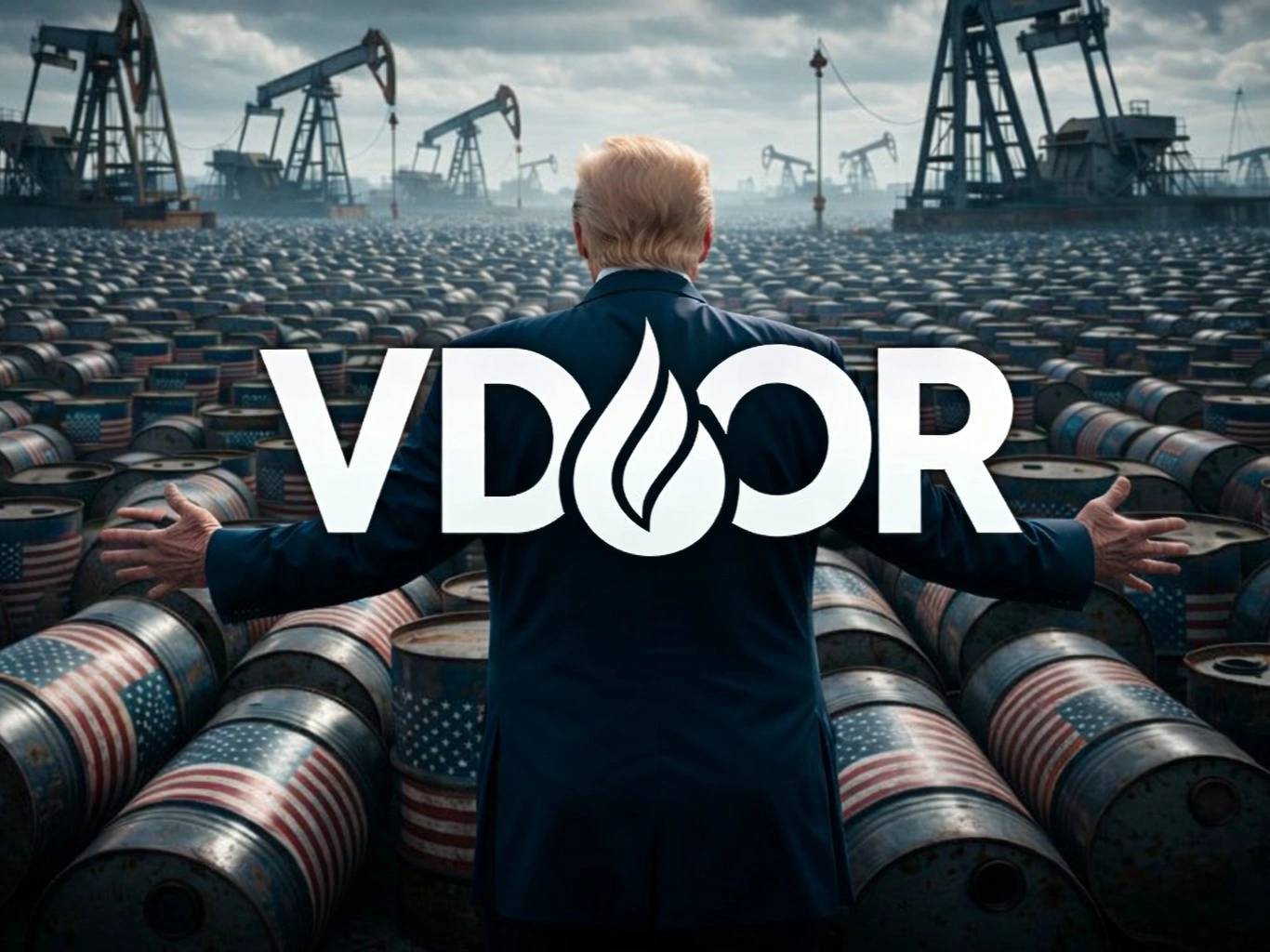
Vanguard Digital Oil Reserve (VDOR) 是一个基于 Solana 的 SPL 代币,于 2025 年底推出,其市场定位是代表代币化的战略石油储备。
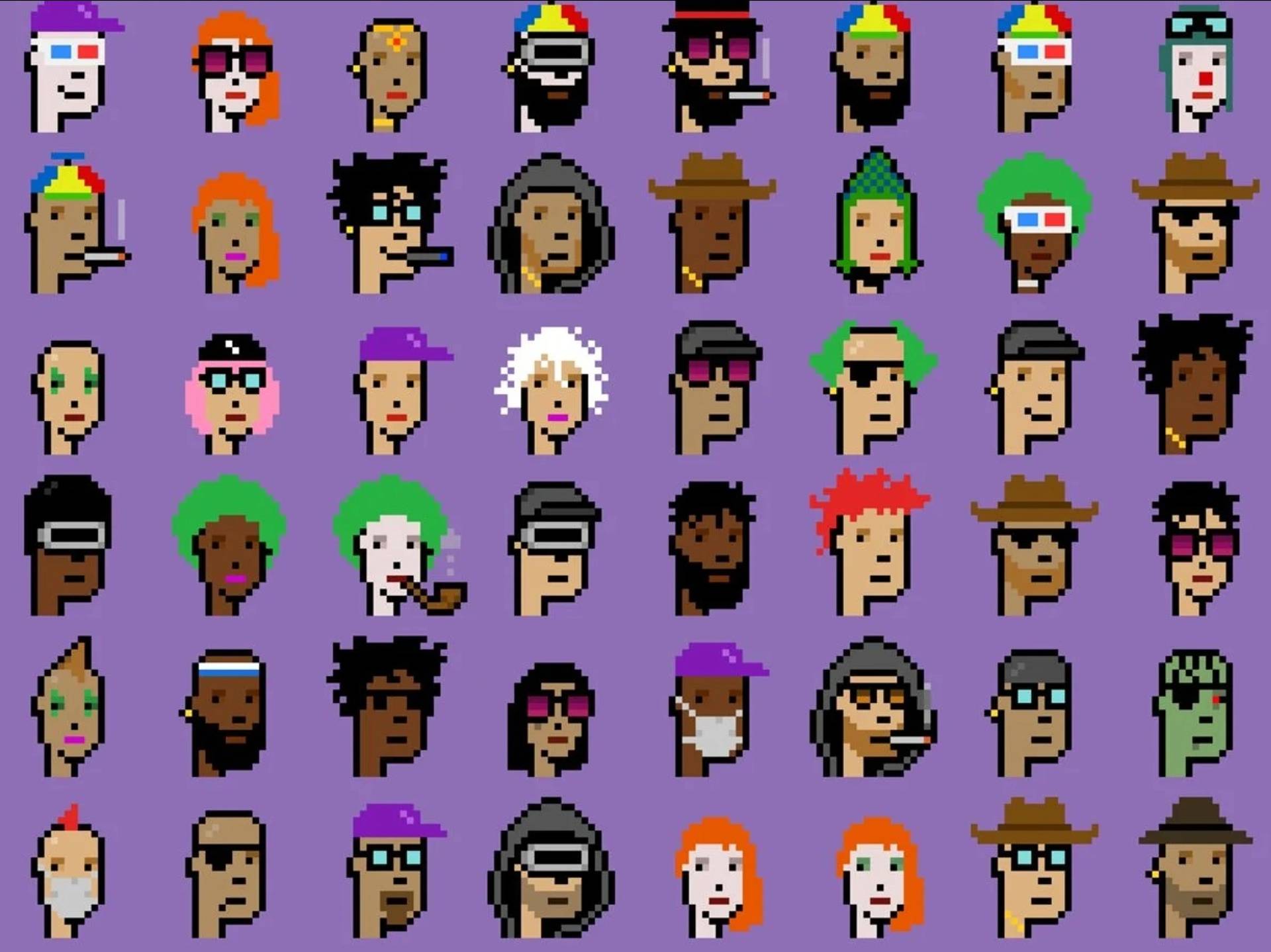
CryptoPunks 是由 Larva Labs 于 2017 年在以太坊上创建的 10,000 个 NFT 头像系列。作为最早且最具影响力的 NFT 项目之一,其知识产权于 2022 年从 Larva Labs 转移至 Yuga Labs,并于 2025 年转移至 Infinite Node Foundation。
STONK 是 StonkFun 的原生 Solana 实用型代币。StonkFun 是一个代币发行平台,允许用户针对代币化股票(xStocks)和主流山寨币发行固定供应量的代币,并利用平台部分交易手续费进行 STONK 的回购与销毁。
FUNToken (FUN) 是由 FunFair Technologies 于 2017 年推出的 Web3 实用型代币,旨在为基于区块链的游戏和 iGaming 提供动力。它与 Polygon 上的 XFUN 共同构成了双资产生态系统,并采用与平台收入挂钩的通缩销毁模型。

Artificial Inu (AI) 是 Robinhood Chain 上的一种模因币,与 Robinhood 的代币化 NVDA 股票代币挂钩。它利用交易手续费建立一个代币化科技股的社区金库,同时销毁并锁定部分自身供应量。

USDD 是一种去中心化、超额抵押的美元锚定稳定币。它于 2022 年作为 TRON 上的算法设计诞生,并于 2025 年升级为 USDD 2.0,成为一种基于金库、具有锚定稳定性模块(PSM)和链上治理的多链稳定币。
Tether Gold (XAUt) 是由 TG Commodities 根据萨尔瓦多《数字资产发行法》发行的黄金代币化稳定币,由存储在瑞士金库的伦敦金银市场协会(LGD)标准黄金提供 1:1 支持,占据了黄金支持稳定币市场的大部分份额。
Ondo US Dollar Yield (USDY) 是一种无需许可、带息的代币化票据,由短期美国国债、国债 ETF 和银行存款支持,为符合条件的非美国投资者提供具有美元计价收益的类稳定币功能。

PAX Gold (PAXG) 是由 Paxos 发行的代币化黄金资产,每个代币代表一金衡盎司储存在 LBMA 认证金库中的伦敦金银市场协会(London Good Delivery)黄金,并可在美国联邦监管下以 1:1 比例兑换实物黄金。
Ethena USDe 是由 Ethena Labs 开发的一种 1:1 抵押链上稳定币,通过 ETH 质押收益和永续合约驱动,旨在解决稳定币三难困境。
Bitget 是一家总部位于塞舌尔的加密货币交易所,成立于 2018 年。它提供现货、期货、杠杆、跟单交易以及 Launchpad、加密贷款、BGUSD 和 Bitget Token (BGB) 等产品。
BitForex 是一家在塞舌尔注册、总部位于香港的中心化加密货币交易所。该交易所在 2024 年 2 月发生大规模热钱包资金外流并暂停提现后倒闭。

PancakeSwap 是一个于 2020 年在 BNB Chain 上推出的去中心化交易所,支持多链加密货币交易、流动性提供、收益耕作、游戏、NFT 和治理。
MYX Finance 是一个用于链上永续合约交易的非托管衍生品协议,采用匹配池机制(Matching Pool Mechanism)和链抽象技术。随着 MYX V2 的推出,它已转型为用于杠杆衍生品的模块化全链结算层。
NewSight(前身为 VIZO)是一个 AI 原生、专注于亚洲市场的预测市场平台。它通过类似 TikTok 的信息流将新闻头条转化为可交易的结果,强调高频交互和无缝的市场分发集成。
CoinEx 加密货币交易所成立于 2017 年。2026 年 9 月,CoinEx 宣布将停止交易所运营,理由是市场长期疲软、交易量和流动性减少,以及监管和合规成本上升。
Hotcoin 是一家成立于 2017 年的中心化加密货币交易所,总部位于澳大利亚悉尼,提供现货、杠杆和期货市场、跟单交易、TradFi 产品、赚币产品以及自托管 Web3 钱包。

World 是一个建立在 Solana 上的全链预测市场,利用 Chainlink 作为其市场数据的主要预言机。它允许用户在 Phantom 钱包内交易事件合约。

OTSea 是一个基于区块链的 ERC20 代币 P2P 交易平台,提供众筹成交、套利机器人保护和多链支持等功能,旨在最大限度地提高回报并减少市场波动。
Lemon 是一款拉丁美洲金融科技应用,允许用户购买、出售加密货币并赚取利息。它提供一张最高可享 2% 比特币返现的 VISA 卡,将数字资产与日常财务相连接。
Drift 是 Solana 上的去中心化交易所,提供永续合约、现货交易、借贷以及被动流动性。它采用即时(JIT)拍卖、去中心化限价订单簿(DLOB)和自动做空机制(AMM)来优化交易效率。
Coinone 是一家成立于 2014 年的韩国加密货币交易所。虽然它支持 200 多种数字资产,但该交易所面临着重大的法律和监管挑战,包括 2026 年发生的重大反洗钱(AML)违规事件以及 2023 年的贿赂丑闻。
韩国区块链周 (KBW) 是在首尔举办的一年一度的区块链系列会议,由 FACTBLOCK 创办并由 Hashed 共同主办。
香港 Web3 嘉年华(Hong Kong Web3 Festival)是亚洲首屈一指的年度 Web3 和加密货币盛会,旨在促进全球合作并探讨数字创新。
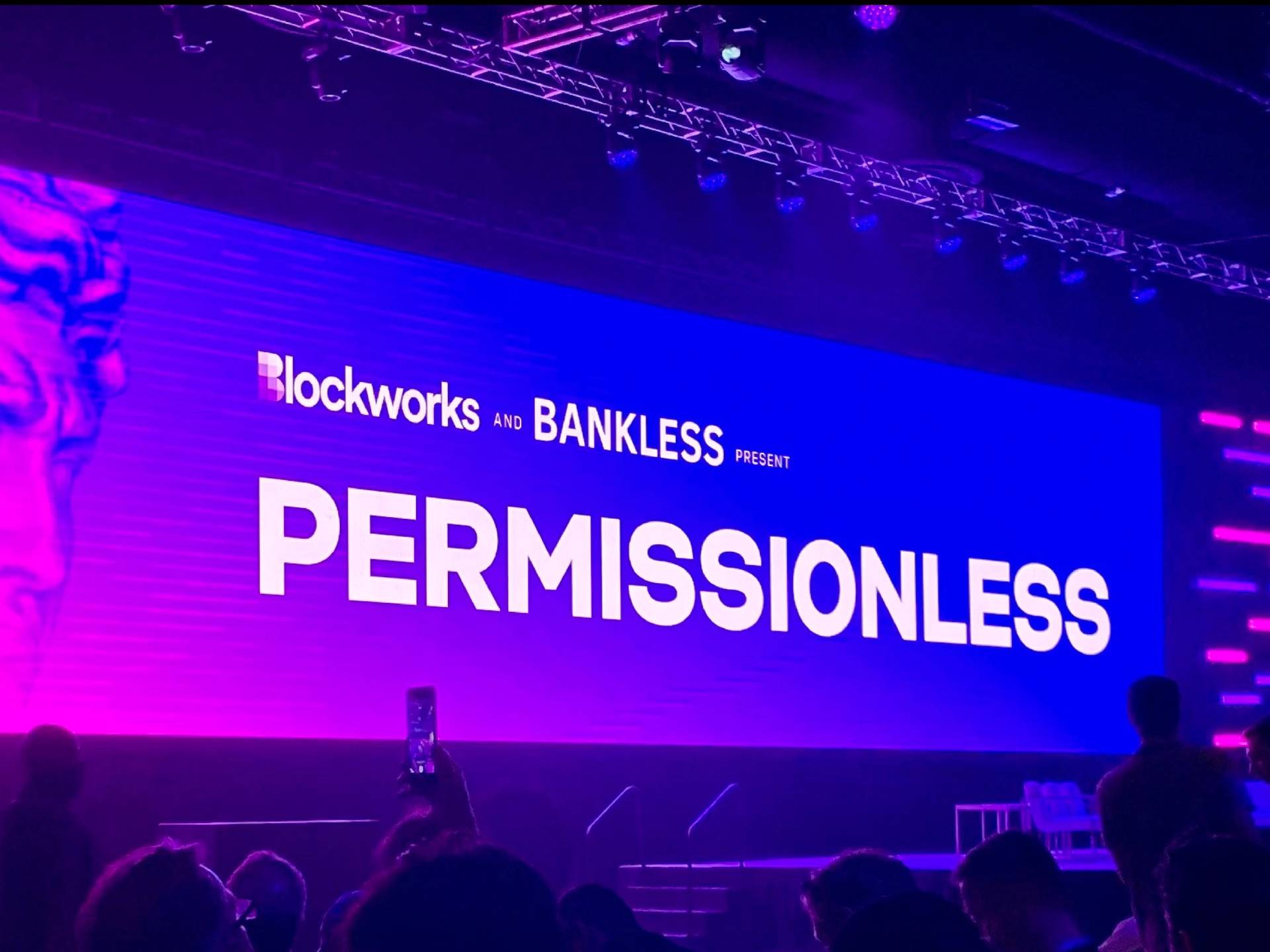
Permissionless 是由 Bankless 和 Blockworks 举办的一场重大的 DeFi 盛会,汇集了加密行业的领军人物,计划于 2024 年 10 月 9 日至 11 日举行。
Coinfest Asia 是由 Coinvestasi 在巴厘岛举办的一年一度的盛会,专注于亚洲加密货币和 Web3 领域的采用、创新与发展。
稳定币峰会(Stablecoin Summit)是一个汇集政府、金融机构、金融科技和区块链领袖的会议,旨在讨论稳定币的采用、跨境支付、基础设施、监管以及现实世界的应用案例。

Upton Finance 是一个基于 TON 区块链的 CeDeFi 平台,在 Telegram 生态系统中为质押的 USDT 和 TON 提供 15% 的年化收益率(APY)。

Elroy Cheo(石正祥)是一位新加坡企业家,也是会员制 Web3 社群 ARC Community 的联合创始人。他的职业生涯横跨大宗商品交易、大型房地产开发和区块链技术,专注于社群建设和价值创造。
ARC Community 是一个面向全球亚裔群体的私人会员制网络。它利用 NFT 作为会员凭证,并以“社交创投工作室”模式运营,旨在促进集体项目和风险投资的协作。该社区总部位于新加坡。
Crypto Expo Europe 是在布加勒斯特举行的年度会议,专注于区块链和加密货币,汇集了行业领袖共同探讨创新、监管及市场趋势。
以太坊社区会议 (EthCC) 是由 Ethereum France 主办的年度欧洲以太坊盛会,为期四天,专注于技术和社区。
World Network (WLD) 是一个加密货币项目,由 OpenAI 首席执行官 Sam Altman 发起,通过基于虹膜的验证过程提供独特的数字身份。
Consensus Miami 2026 是由 CoinDesk 主办的 2026 年度加密货币、区块链和 Web3 全球会议,在迈阿密海滩会议中心举行。

Santa Browser 是一款基于 Chromium 的网络浏览器,旨在将隐私保护与奖励机制以及 Web3 广告/联盟层相结合。它目前提供桌面版和 Android 版...

Choice Markets 是一个专为 X (Twitter) 打造的 AI 驱动、社交原生的预测市场平台。它利用混合流动性引擎和 AI 辅助工作流,将社交讨论转化为可交易的市场,旨在实现从对话到交易执行的无缝衔接。
Together.fun (TOFU) 是一个基于 Solana 的游戏化社交交易平台,旨在将社区驱动的代币发现与游戏化执行相结合。其特点包括...
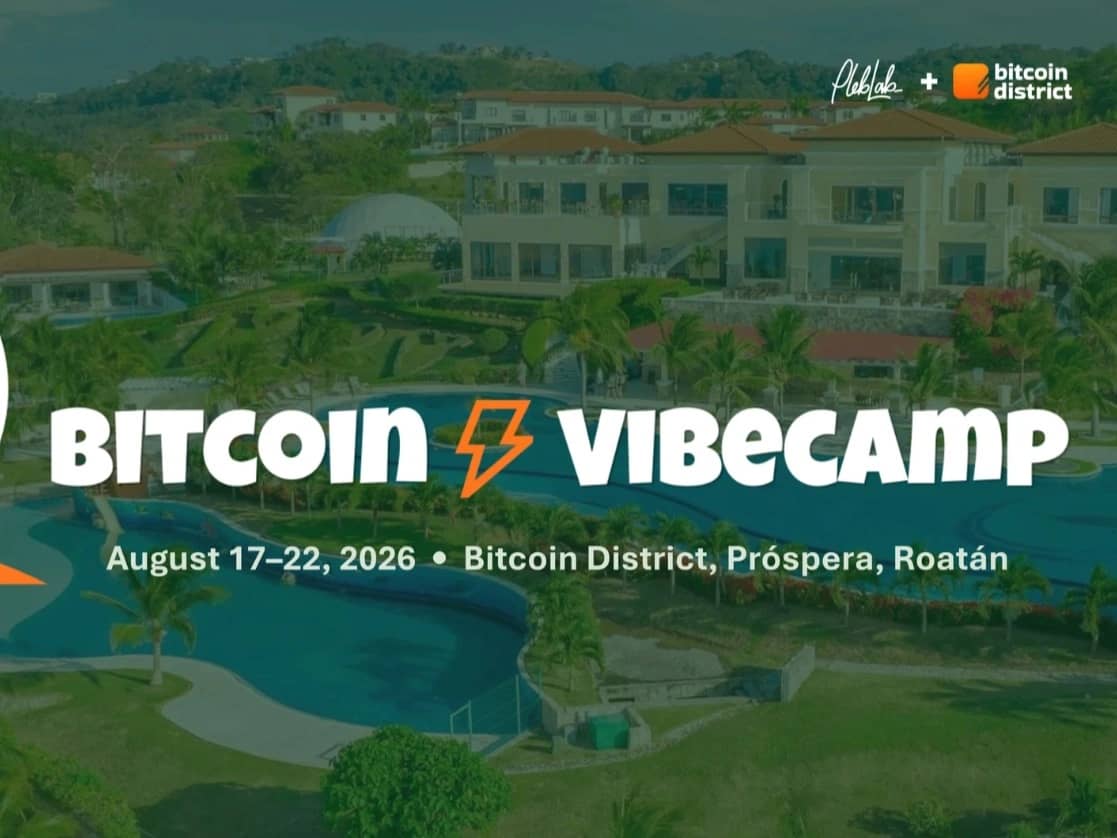
Bitcoin Vibecamp 是由 PlebLab 和 The Bitcoin District 联合举办的以开发者为中心的比特币黑客松和开发者静修活动,地点位于 Próspera 的比特币区。活动内容包括协同办公、初创公司演示、0.12 BTC 的奖金评选以及社区社交活动。
Satoshi Nakamoto is the anonymous creator of Bitcoin and the first blockchain database, and is speculated to own approximately one million bitcoins.
The CLARITY Act is a proposed U.S. bill that would create a federal market-structure framework for digital assets, dividing oversight between the SEC and CFTC and setting rules for exchanges, custody and disclosures.
Bitcoin ETFs are exchange-traded funds that provide regulated exposure to Bitcoin’s price via traditional brokerage accounts; the first U.S. spot products were approved in January 2024 and similar structures later appeared in other markets.
Long position is a glossary term that denotes a trading stance in which a trader buys or takes a derivative bet expecting an asset's price to rise, profiting from price appreciation and risking loss (and possible liquidation when leveraged).
Bollinger Bands is a glossary term that describes a technical analysis indicator composed of three lines (upper band, middle SMA, lower band) used to measure price relative highs/lows and market volatility.
Options trading is a glossary term that describes buying and selling options contracts which give the holder the right, but not the obligation, to buy or sell an underlying asset at a predetermined price before or on a specified expiration date.
Cryptocurrency is a type of digital asset that uses cryptography, peer-to-peer networks, and distributed ledgers to enable digital payments without relying on banks.
A crypto-backed mortgage is a home loan that allows homebuyers to use their cryptocurrency holdings as collateral for a down payment, enabling them to secure a mortgage without selling their assets and avoiding capital gains taxes.
Non-USD stablecoins are cryptocurrencies pegged to fiat currencies other than the US dollar, such as the Euro or Yen. They aim to reduce USD exchange rate volatility for regional users, enabling on-chain FX, cheaper remittances, and local payments.
White hat is a glossary term that denotes an ethical hacker who, with authorization, tests systems to find, document, and report vulnerabilities so they can be fixed.
All-Time Low (ATL) is a glossary term that denotes the lowest value a cryptocurrency has ever reached since its inception and is used to assess downside risk, market sentiment, and potential buying or risk-management signals.
All-Time High (ATH) is a glossary term that denotes the highest price an asset has ever reached in its trading history.
Accumulation Phase is a glossary term that describes the market-cycle stage after a downtrend when informed investors quietly build positions during a period of sideways price action, low volatility and reduced selling pressure.
Breakout trading is a glossary term that refers to a trading strategy seeking to profit when an asset’s price moves decisively beyond an established support or resistance level, signaling the start of a new directional trend or strong price acceleration.
Dollar-Cost Averaging (DCA) is a glossary term that describes an investment strategy of investing fixed amounts at regular intervals regardless of price to spread purchases over time and reduce the impact of market volatility.
Cross-chain swaps is a glossary term that refers to a mechanism for trading a token issued on one blockchain for a token issued on a different blockchain.
Public Ledger is a glossary term that describes a distributed record-keeping system that records cryptocurrency transactions, maintains account balances and ledger state, and enables verification via cryptography and consensus.
"Anon" is crypto and internet slang for a pseudonymous or anonymous participant in blockchain and Web3 ecosystems, rooted in earlier online and hacktivist cultures.
Trustless is a glossary term that describes systems where rules are enforced by code and decentralized consensus rather than by an institution, custodian, or counterparty.
Innovation Exemption is a regulatory exemption that allows limited, conditional trading of tokenized NMS stocks on permissioned on‑chain venues to enable observation, data collection, and to inform future SEC rulemaking.
Public Key is a glossary term that denotes a cryptographic value derived from a private key used to verify digital signatures and to derive blockchain addresses for receiving cryptocurrency and NFTs.
Immutability describes the property whereby data recorded on a blockchain or ledger cannot be altered or deleted after it has been confirmed, providing tamper-evident, append-only...
Whale accumulation is a glossary term that describes a pattern in which large cryptocurrency holders appear to be increasing their on-chain balances of an asset, providing context about supply concentration, exchange flows, and market participation.
Permissionless blockchain is a glossary term that describes a blockchain protocol accessible to anyone without gatekeepers or prior permission.
Self custody is a glossary term that means an individual controls their private keys and directly manages their cryptocurrency assets without relying on third‑party custodians.
On-chain data is information recorded directly on a blockchain — transactions, blocks, smart contract interactions, token transfers, and wallet balances — that the network validates and stores as a public, immutable ledger distinct from off-chain data.
Altseason is a glossary term that denotes a period when alternative cryptocurrencies (altcoins) significantly outperform Bitcoin, typically driven by capital rotation from BTC into altcoins and a decline in Bitcoin dominance.
Real World Assets (RWAs) are blockchain-based tokens representing traditional financial or tangible assets like real estate, bonds or carbon credits.
Synthetic assets, also known as crypto synths, are essentially tokenized derivatives. In traditional finance, derivative value is derived from an underlying ass...
Block Explorer is a search engine tool used for viewing and analyzing data associated with blocks, addresses, and transactions on a specific blockchain network.
A multi-signature wallet (multisig) is a cryptocurrency wallet requiring multiple signatures for each transaction, enhancing security by using multiple private ...
Candlesticks are charting tools used in crypto trading to visualize price movements, aiding in market analysis and trend prediction.
Digital Asset Basic Act is a glossary that describes a proposed South Korean framework law to define and regulate digital assets, exchanges, stablecoins, ICOs, issuance/disclosure rules, and market-conduct standards.
The Metaverse is an interconnected, immersive 3D virtual realm, merging the virtual and physical worlds, and allowing interaction, collaboration and exploration in real-time, often using blockchain, NFTs, and tokens to own and trade assets.
A 51% attack is a potential threat to blockchains, where a group controls over 50% of network hash power, theoretically allowing blockchain modification.
AI Coins are a type of cryptocurrency that blend blockchain technology with artificial intelligence, powering projects that advance or integrate AI solutions.
SOPHIA 发布或更新的每一个维基,都会实时在 Polygon 链上签名。
关于 Taiyang Zhang 的维基页面已更新。
Taiyang Zhang is an Australian-born, Singapore-based entrepreneur and angel investor who co-founded Ren Protocol and KeeperDAO, later moving into biotechnology as a co-founder of Automera and QDX.
关于 NEAR Intents 的维基页面已更新。
NEAR Intents is a protocol simplifying multichain financial operations, enhancing DeFi interactions.
关于 NEAR Intents 的维基页面已更新。
NEAR Intents is a protocol simplifying multichain financial operations, enhancing DeFi interactions.
关于 NEAR Intents 的维基页面已更新。
NEAR Intents is a protocol simplifying multichain financial operations, enhancing DeFi interactions.
关于 Fireblocks 的维基页面已更新。
Fireblocks is an organization that provides digital asset and stablecoin infrastructure enabling institutions to custody, move, tokenise and manage digital assets via MPC-based wallets, policy controls and a settlement network.